Include development, sampling, material allowances, trims and packaging, testing, freight, payment charges and stock receiving costs. Confirm what the manufacturer’s quote already covers before adding them.
Your manufacturer quotes a price per garment. You multiply it by the order quantity, set your selling price and feel ready to proceed. Then the sample courier invoice arrives, custom labels need a separate payment and the freight quote excludes delivery to your warehouse.
A useful clothing production budget captures those costs before you commit. “Hidden” does not necessarily mean a supplier concealed a charge. It often means an expense was outside the original quote or nobody had assigned responsibility for it.
These eight categories help you build a fuller picture of the money your collection needs.
What Should Your Clothing Production Budget Cover?
Cover the agreed journey from technical development to stock received at your chosen location. Record the quantity, specifications, delivery terms and payment dates behind every estimate.
Start with an itemised manufacturing quote. Confirm whether it includes materials, cutting, sewing, finishing and packing, or only a narrower scope. Service labels can vary between suppliers, so request written inclusions and exclusions.
Compare quotes for the same design, materials, size breakdown and quantity. The wider fashion product development process helps you identify which work must happen before bulk production begins.
1. Tech Packs, Patterns and Size Grading
Quick answer: Budget for technical specifications, pattern development and grading into your planned sizes when these are not included. Ask how revisions and access to the files are handled.
A design sketch does not settle every manufacturing detail. Your supplier may need measurements, construction instructions and production patterns before it can make the garment consistently.
Ask whether the development fee covers one sample size or the full size range. Confirm charges for additional styles and later changes, along with the files or deliverables you receive.
Record these as development costs against the relevant styles. If you spread them across a production run for planning, use a realistic quantity rather than assuming future reorders will absorb the expense.
2. Sampling, Revisions and Sample Shipping
Include each agreed sample stage, any chargeable revisions and courier costs. Confirm whether sample fees are credited against a bulk order and under what conditions.
An initial sample fee may cover only one submission. Fit revisions, samples in the intended fabric or additional size checks may require further work and shipments.
Request a sampling schedule with the price and purpose of each stage. Ask how design changes differ from corrections under your agreement; responsibility for those costs should be clear.
For example, requesting a different neckline after reviewing the first sample changes the brief. Record its cost and approval before the next round, rather than discovering it on the final invoice.
Fabric Wastage, Shrinkage and Minimum Purchases
Estimate fabric purchases using the garment’s actual consumption, relevant allowances and supplier minimums. Check whether the factory price already includes these quantities before adding a separate allowance.
The fabric inside the finished garment is not the same as the amount you may need to buy. Cutting layout, usable width, print matching and preparation can affect consumption.
Ask the supplier to explain the estimate for your selected fabric and size mix. Avoid applying one waste percentage to every style without checking its basis.
A mill minimum can also leave unused fabric after a small run. Record the full purchase cash requirement and identify any usable remainder separately. Discuss these constraints during fabric sourcing before committing to a material.
4. Trims, Labels and Packaging
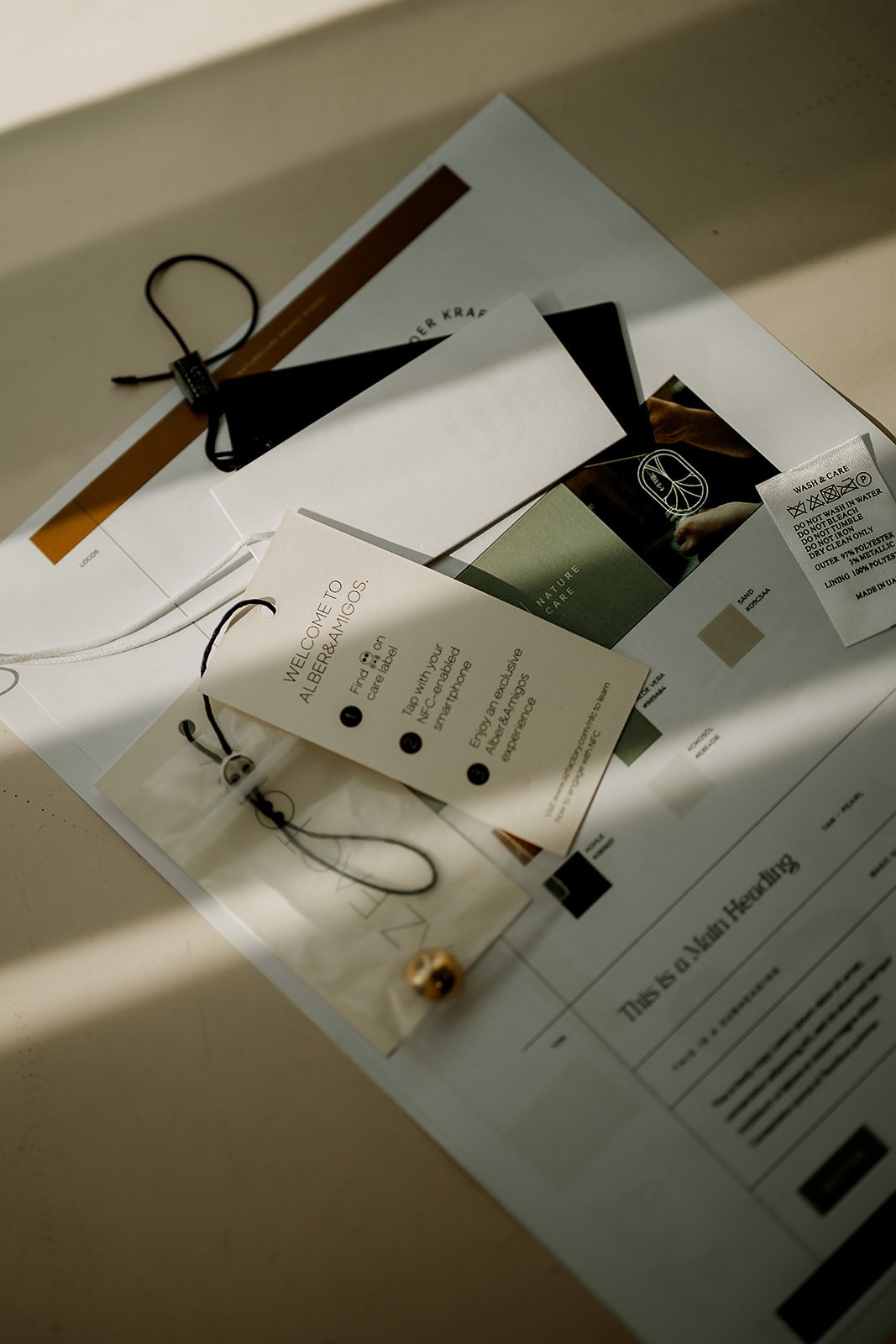
Confirm the cost of closures, labels, tags, protective packing and shipping cartons. Include custom setup charges and minimum purchase quantities where they apply.
A quote that includes standard buttons may exclude your custom hardware. The same distinction can apply to woven labels, printed care labels, hangtags and branded packaging.
Create a component list for each style, showing the quantity per garment, supplier, purchase minimum and application cost. Check that both the item and the work to attach it are covered.
Separate essential product protection from optional presentation upgrades. If a packaging supplier requires more units than this production run needs, show the excess purchase clearly rather than hiding it inside a vague miscellaneous line.
5. Testing, Inspections and Quality Follow-Up
Allow for the testing and inspection scope your product and destination require. Ask whether quotes include sample transport, reports, inspector travel and any repeat visits.
Factory quality checks, independent inspections and laboratory testing serve different purposes. A visual review does not establish every aspect of a fabric’s performance or suitability for its intended market.
Define the required checks before asking for prices. SGS’s textiles and clothing services illustrate the range of testing and inspection support available; the appropriate scope depends on the product.
Agree how failed checks, rework and repeat inspections will be handled. Do not assume either party pays automatically, and avoid approving a vague “testing included” line without a defined scope.
Freight, Customs Clearance and Delivery
Quick answer: Cost the journey to your named receiving location, including applicable freight, insurance, clearance, duties and delivery. Check the agreed shipping terms to avoid counting charges twice.
“Shipping included” needs a destination and a clear list of charges. Ask who pays origin handling, international transport, destination handling and the final trip to your warehouse.
DP World’s landed cost guide explains why the supplier invoice alone does not represent the full cost of receiving imported stock.
For an import estimate, obtain the relevant product classification, origin and destination information for your broker. Track any recoverable tax separately from permanent cost while including the payment in cash planning. Rates and treatment must be checked for the actual shipment.
Currency Conversion and Payment Charges
Record the invoice currency, conversion assumption and charges for each payment. Compare the total amount your business pays with the amount the supplier must receive.
A deposit and final balance paid weeks apart may convert at different rates. Transfer fees or other payment charges can also sit outside the factory’s quoted amount.
Ask your payment provider for a current quote, then record its date and validity. Confirm whether the supplier expects the invoiced amount to arrive after charges.
Keep the production budget in one reporting currency, with the original invoice amounts alongside it. This makes changes visible when you update estimates and helps prevent an exchange-rate assumption from being mistaken for a confirmed cost.
Stock Receiving, Storage and Handling
Include unloading, stock intake, counting, storage and any required relabelling or repacking. Ask your warehouse how charges change if delivery dates or quantities shift.
Your stock may need checking and booking into inventory before it is available to sell. A warehouse can charge separately for receiving cartons, counting units or preparing products to its required format.
Request the rate basis: per carton, unit, pallet or period. Confirm any minimum charge and what happens when goods arrive before the planned intake date.
Define where inbound delivery ends and warehouse receiving begins, so these charges do not overlap with freight. Keep later customer-order fulfilment in your wider operating budget unless it is explicitly part of this project’s scope.
Clothing Production Budget Example: The Effect on Unit Cost
Compare the factory price with the full planned project spend per expected saleable unit. The example below shows how excluded costs change a quote’s apparent affordability.
This hypothetical example assumes 300 saleable garments and a factory quote of AED 60 each. Every addition is assumed to be excluded from that quote. These figures are teaching examples, not market rates or a supplier estimate.
| Budget item | Illustrative amount |
|---|---|
| Factory order: 300 × AED 60 | AED 18,000 |
| Technical development and grading | AED 1,800 |
| Sampling and sample couriers | AED 1,200 |
| Additional material purchases and allowances | AED 900 |
| Excluded trims, labels and packaging | AED 600 |
| Testing and inspections | AED 750 |
| Freight, clearance and applicable import charges | AED 2,250 |
| Currency conversion and payment charges | AED 300 |
| Receiving, storage and handling | AED 450 |
| Total planned project spend | AED 26,250 |
| Planned project spend per saleable garment | AED 87.50 |
The calculation is AED 26,250 ÷ 300. If the expected saleable quantity falls, recalculate rather than continuing to divide by the original order quantity.
This planning figure includes development and other project expenses. It is not an accounting inventory valuation or a complete profit calculation. Marketing, sales fees, customer fulfilment, returns and business overheads still affect commercial viability.
How to Keep the Budget Usable as Production Progresses
Track quoted, committed and actual costs separately, with payment dates and supporting documents. Add a contingency based on unresolved risks, and update the budget after approved changes.
Give each cost an owner and mark it as confirmed or estimated. When a sample change affects fabric or construction, update the relevant lines before approving production.
Build a payment schedule alongside the total: deposits, material payments, balances and receiving charges may fall due before sales begin. A deposit is part of the agreed price, not an extra expense.
Set any contingency against specific uncertainties rather than treating one percentage as suitable for every collection. Keep unused contingency separate from actual spend.
How The Fashion Coterie Can Support Production Planning
The Fashion Coterie offers development, sourcing and manufacturing support that can help clarify your collection’s production requirements before you commit.
Its fashion production services include tech pack creation, prototype and sample development, manufacturing consulting and quality control.
Prepare your style list, intended quantities, available specifications and supplier quotes. Discuss your collection with The Fashion Coterie to explore the support you need for a more complete clothing production budget.
Frequently Asked Questions
How much should I allocate to a clothing production budget?
There is no single amount suitable for every collection. Build the budget from your styles, quantities, materials, development needs and delivery requirements.
Does a manufacturer’s price include every production cost?
It depends on the agreed scope. Confirm whether development, samples, materials, trims, packing, testing and delivery are included before comparing prices.
How do I calculate production cost per garment?
For project planning, divide the relevant production and development spend by the expected saleable quantity. State which expenses you included.
Can I reduce costs by increasing the order quantity?
A larger order may reduce some unit costs, but it also increases cash committed to stock. Compare the full spend and expected demand.
How much contingency should I include?
Base contingency on identifiable uncertainties such as incomplete specifications, unconfirmed charges or exchange-rate exposure. There is no universal percentage for every order.