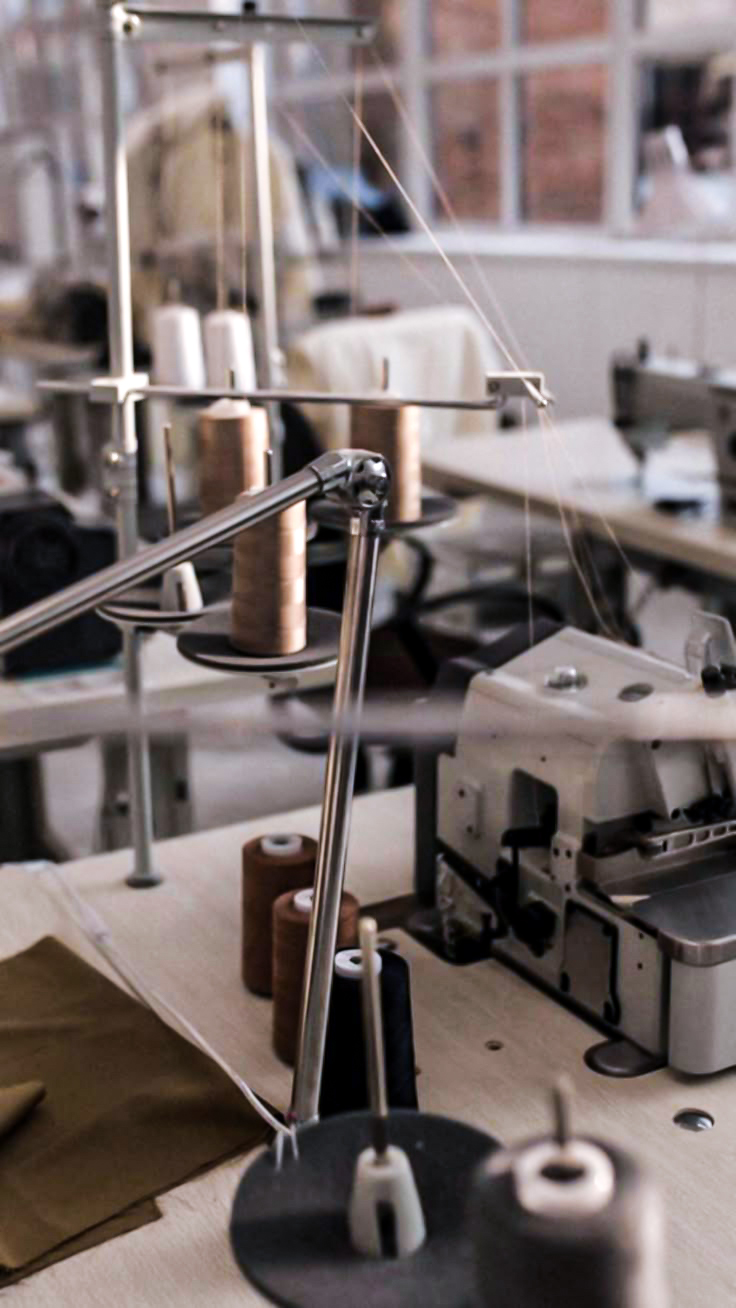
Many emerging designers assume production begins when garments reach the factory. In reality, production starts much earlier during product development and technical planning. It involves strategy, technical development, quality control, and careful coordination. When managed correctly, it reduces risk, controls costs, and ensures your collection meets market expectations.
This guide breaks down the complete production journey step by step – tailored specifically for Dubai-based fashion brands.
What Is Production in the Fashion Industry?
Fashion production refers to the complete process of transforming a design concept into finished garments ready for retail. It includes design refinement, technical development, sampling, bulk manufacturing, and quality control.
Many emerging designers assume production begins at the factory. In reality, it starts much earlier – during planning and development.
Fashion product development consultancies often help brands coordinate communication between designers, suppliers, and manufacturers. Instead of dealing directly with factories, brands work with experienced consultants who manage timelines, documentation, supplier communication, and quality standards.
In Dubai’s competitive fashion market, structured production ensures:
- Consistent garment quality
- Accurate sizing and fit
- Controlled manufacturing costs
- Faster time to market
- Reduced production errors
Without a clear system, delays, fabric issues, and sampling mistakes can quickly increase expenses.
Design Development for Fashion Brands
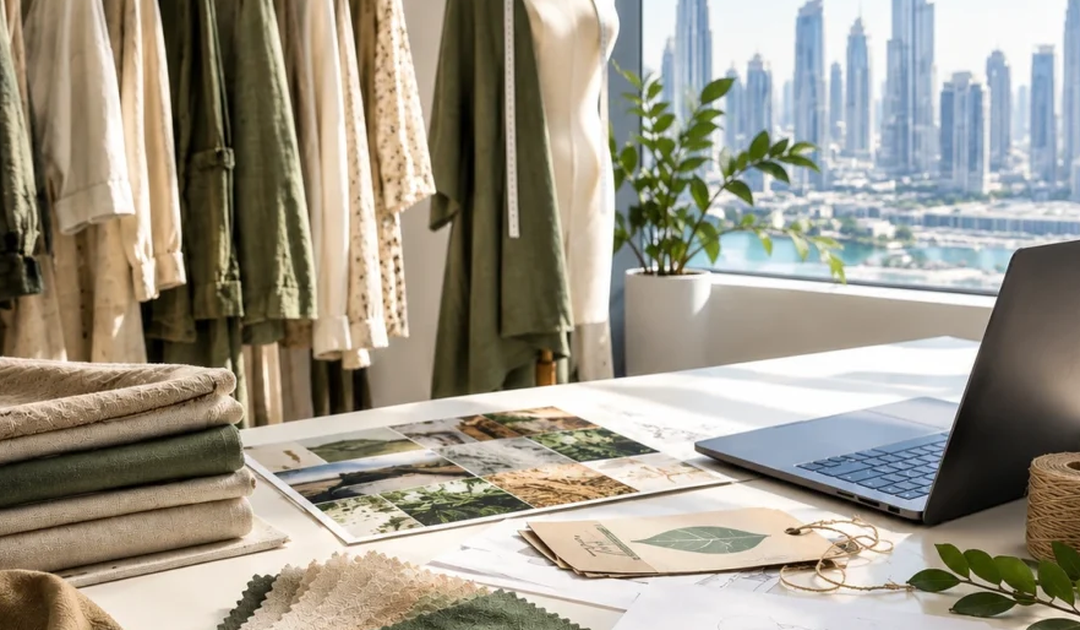
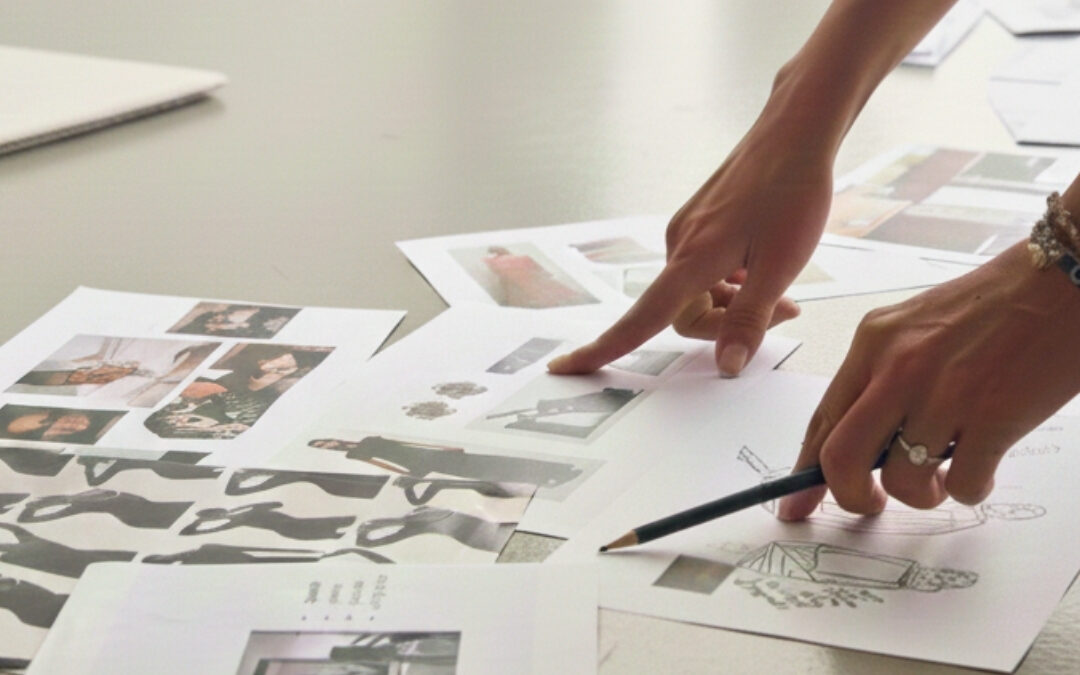
The first stage of production begins with design development for fashion brands. This is where ideas evolve into structured collections.
At this stage, brands define:
- Target customer profile
- Collection theme and direction
- Price positioning
- Seasonal relevance (especially important in GCC climate conditions)
Dubai’s fashion market has unique considerations. Designers must consider:
- lightweight fabrics suitable for warm climates.
- Modest silhouettes for regional preferences
- Luxury finishing details for premium consumers
Successful collections are not simply a series of random designs. Each piece should fit within a clear story and product strategy.
Trend forecasting and target market research also play an important role here. Data-driven insights help brands avoid creating collections based purely on personal preference and instead focus on what will resonate commercially.
A strong foundation during design development reduces costly revisions later in production.
Apparel Product Development & Tech Pack Creation
Once the creative direction is finalized, the process moves into technical development. This stage is often managed by an experienced apparel product development consultancy, ensuring garments are production-ready.
Product development includes:
- Pattern making
- Fabric sourcing
- Trim selection
- Measurement grading
- Fit testing
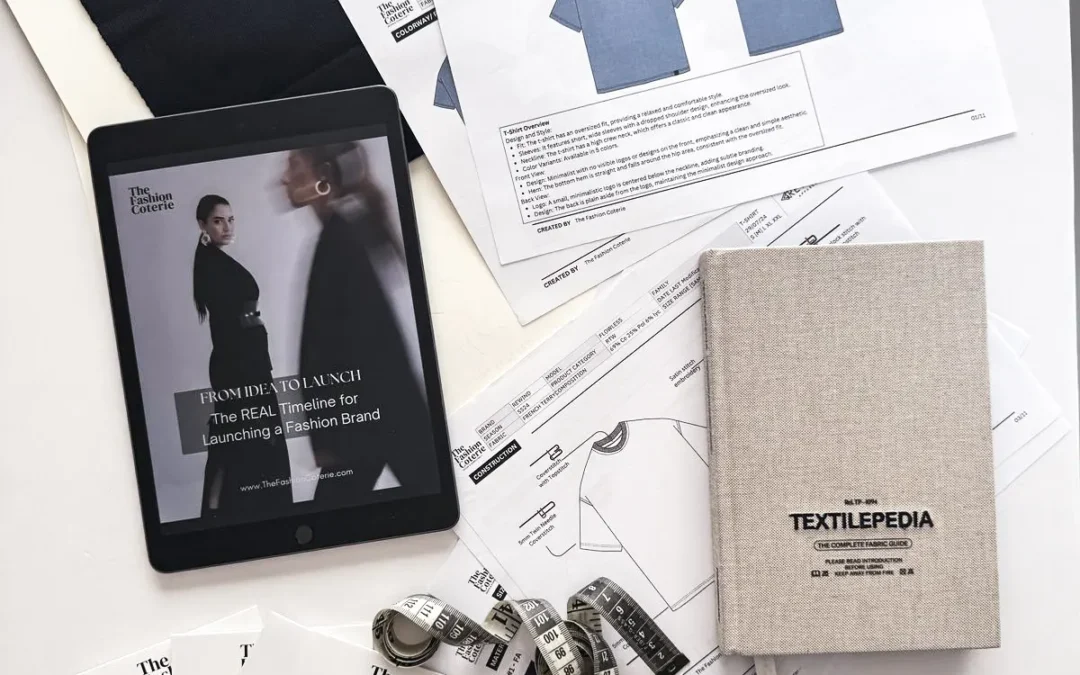
One of the most critical documents created during this stage is the tech pack.
What Is a Tech Pack?
A tech pack is a detailed blueprint of a garment. It includes:
- Technical sketches
- Fabric specifications
- Stitch details
- Measurements and tolerances
- Construction instructions
Factories rely heavily on tech packs. Without clear documentation, misinterpretation is almost inevitable. Without clear documentation, production errors are almost guaranteed.
For Dubai brands working with international manufacturers, detailed tech packs are essential to avoid communication gaps and unexpected costs.
Sampling follows tech pack creation. Prototypes allow brands to test fit, fabric behavior, and overall quality before approving bulk production.
Skipping proper development may save time initially, but it almost always increases expenses during manufacturing.
Sampling & Prototype Development
Before moving into bulk manufacturing, sampling is essential. This stage transforms technical drawings into physical garments that can be evaluated and refined.
Sampling transforms technical drawings into:
- Physical prototypes that can be tested and refined.
- Assess fabric performance
- Review stitching quality
- Make design adjustments
- Calculate accurate production costs
In Dubai’s fashion market, fabric selection is especially important. Garments must often balance breathability with structure, particularly for premium and modest fashion segments. Lightweight fabrics, refined finishes, and durable construction are critical for long-term brand reputation.
Several sample rounds are often required before final approval. While this process requires time and investment, it significantly reduces risk during full production.
Well-managed sampling ensures smoother transitions into manufacturing and minimizes costly errors later.
Apparel Production Management & Manufacturing
Once samples are approved, the process moves into bulk production. This stage requires strong apparel production management to ensure timelines, budgets, and quality standards are maintained.
Bulk manufacturing typically includes:
- Fabric and material ordering
- Pattern grading for multiple sizes
- Fabric cutting
- Garment stitching and assembly
- Finishing and pressing
- Labeling and packaging
Production management involves coordinating all these stages efficiently. Delays in fabric delivery or miscommunication with factories can disrupt launch schedules.
Based on our experience working with fashion brands in the UAE, many brands choose to collaborate with specialized international manufacturers who offer greater technical expertise, more experienced production teams, and more competitive cost structures compared to limited local manufacturing options. With proper production management and supplier coordination, this approach can often lead to faster turnaround times, stronger quality control, and more efficient production processes.
Clear communication, detailed documentation, and scheduled quality checks help ensure that production remains aligned with the brand’s expectations and approved samples.
Quality Control & Production Oversight
Quality control should not happen only at the end of production. It should occur throughout the production cycle.
Professional oversight ensures:
- Consistent stitching standards
- Accurate measurements
- Fabric integrity
- Correct labeling and branding
- Defect detection before shipment
A reliable fashion production agency supervises the manufacturing process, conducts inspections, and ensures that every batch meets approved sample standards.
In the luxury-driven Dubai market, quality consistency directly impacts brand reputation. Even minor defects can affect customer trust and online reviews.
Proactive production oversight protects both brand image and long-term profitability.
Logistics, Packaging & Market Entry
After production is completed and approved, the final stage focuses on delivery and market preparation.
This includes:
- Inventory planning and SKU system organization
- Custom packaging development
- Shipping coordination
- Retail placement or e-commerce launch preparation
Careful logistics planning ensures collections arrive on time for launches, retail deliveries, or marketing campaigns. Delays at this stage can disrupt marketing campaigns and seasonal launches.
At this point, structured fashion brand management becomes critical. From packaging presentation to retail distribution, every detail influences customer perception.
For Dubai brands entering boutiques, department stores, or online marketplaces, professional coordination ensures a smooth transition from factory to consumer.
Why Dubai Fashion Brands Should Work With a Production Partner
Managing production independently can be overwhelming, especially for startups. A professional partner provides:
- Technical expertise
- Structured timelines
- Cost control strategies
- Global supplier access
- Risk mitigation
Rather than navigating factories alone, brands benefit from guided support that aligns creative vision with commercial success.
This approach allows designers to focus on creativity while specialists handle operational complexity.
Final Thoughts
Understanding how production in the fashion industry works gives Dubai brands a strategic advantage. From design development to logistics, each stage plays a crucial role in transforming ideas into successful collections.
With structured planning, careful apparel production management, and expert guidance, fashion brands can reduce costly mistakes and enter the market with confidence.
For emerging designers and growing labels in Dubai, from design development to logistics, every stage plays a role in transforming creative concepts into market-ready garments.
Frequently Asked Questions About Fashion Production
Q1: How long does fashion production take?
Production timelines vary depending on complexity, sampling rounds, and order volume. On average, development and manufacturing can take 8–16 weeks from concept approval to final delivery.
Q2: What is the minimum order quantity (MOQ)?
MOQ refers to the smallest number of units a factory requires per style. Low MOQ production is ideal for startups testing new collections without a large upfront investment.
Q3: What is the difference between product development and manufacturing?
Product development focuses on creating and refining the garment (patterns, fabrics, samples), while manufacturing refers to bulk production after approval.
Q4: How much does it cost to produce a fashion collection in Dubai?
Costs depend on fabric quality, design complexity, quantity, and production location. Structured planning during development helps control expenses and avoid unexpected increases.
Q5: Do startups need a fashion production agency?
While not mandatory, working with experienced professionals reduces production risks, improves quality, and accelerates market readiness.