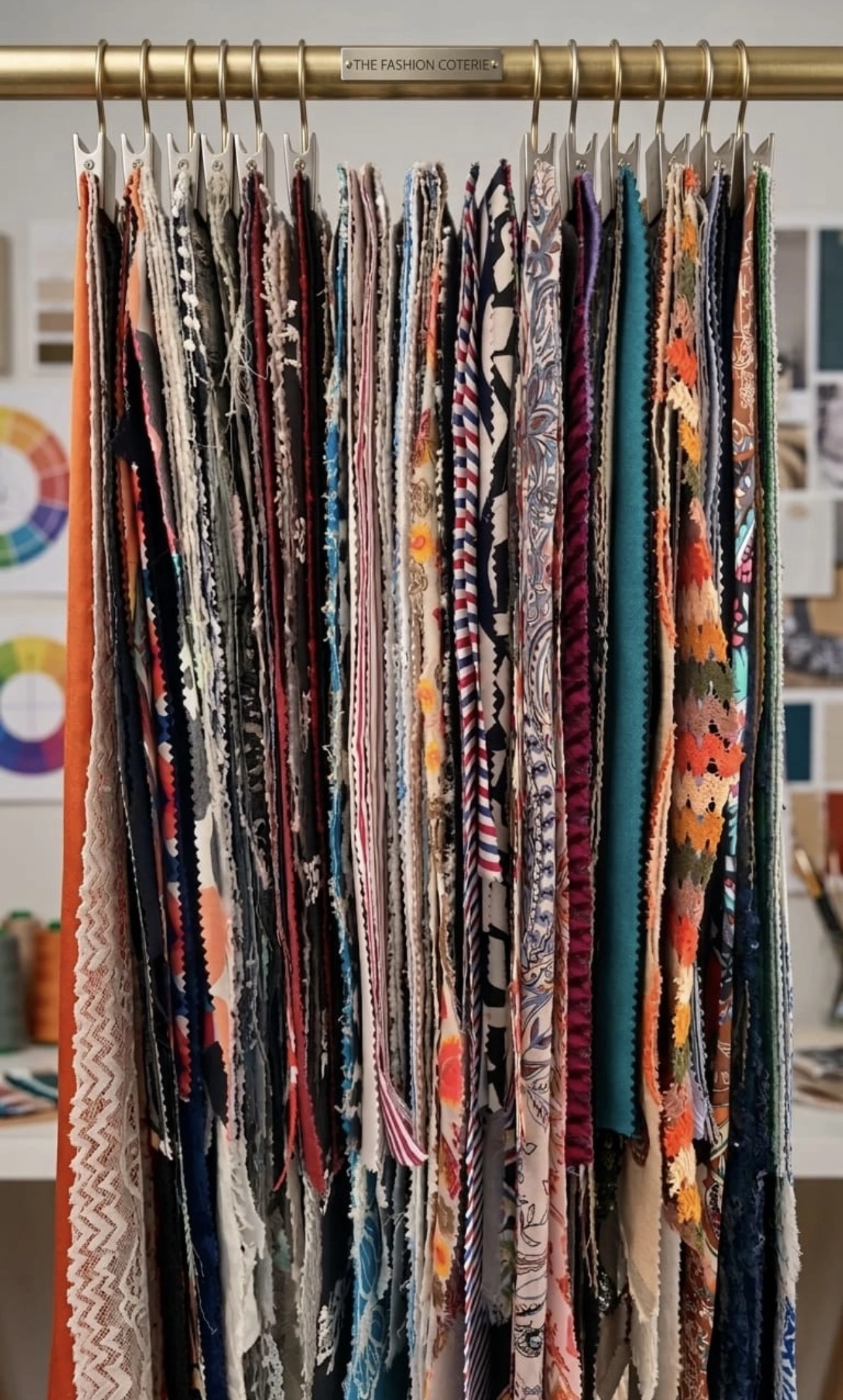
Fabric sourcing is the process of finding, evaluating, and procuring the right textiles for your collection. In Dubai, this means navigating a rich mix of traditional textile souks, modern wholesale hubs, and international supplier networks. Furthermore, getting your sourcing right from the beginning directly impacts your garment quality control, your production timelines, and ultimately your brand reputation.
In this guide, we walk you through everything you need to know about fabric sourcing in Dubai – from the best sourcing locations to quality control essentials and how it all connects to your broader fashion supply chain management strategy.
What Is Fabric Sourcing and Why Does It Matter?
Fabric sourcing refers to the process of identifying, vetting, and securing the textiles your fashion brand needs for production. It involves selecting the right fabric types, negotiating with suppliers, managing minimum order quantities (MOQs), and ensuring the materials meet your quality and sustainability standards.
Why Fabric Sourcing Is Critical for Your Brand
For fashion brands in Dubai and across the UAE, getting fabric sourcing right is the foundation of everything that follows. In fact, poor fabric choices are one of the leading causes of production delays, quality failures, and inflated costs for startups. Consequently, brands that invest time and expertise in sourcing quality materials from the outset consistently produce better collections, experience fewer production issues, and build stronger supplier relationships over time.
Top Fabric Sourcing Locations in Dubai
Dubai is home to some of the most diverse and well-connected textile sourcing hubs in the Middle East. As a result, fashion brands in the UAE have access to both traditional markets and modern wholesale infrastructure.
Bur Dubai Textile Souk
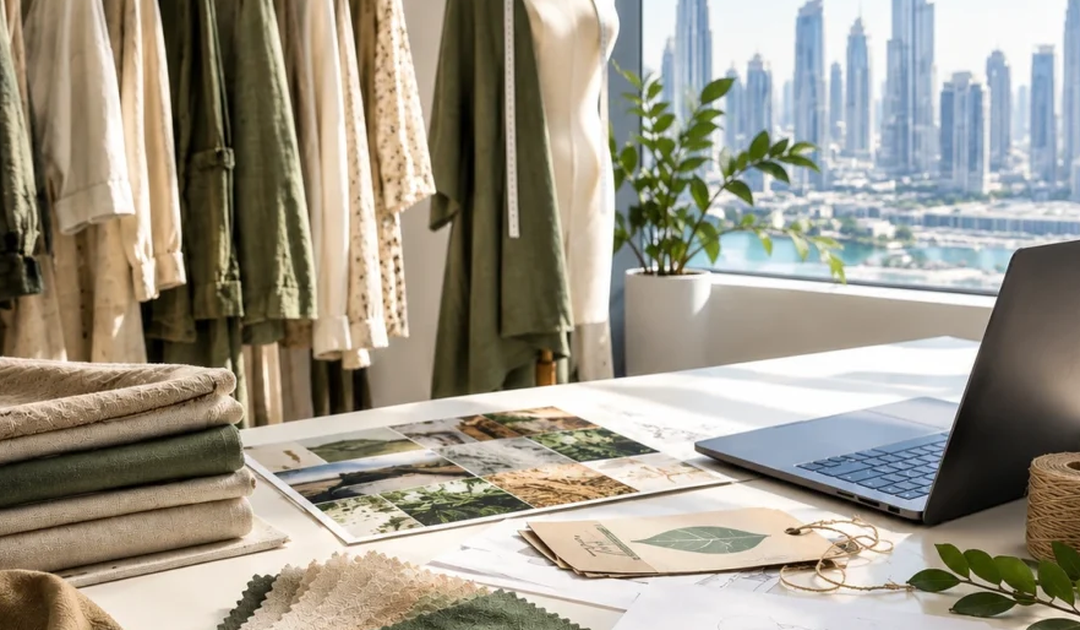
The Bur Dubai Textile Souk is one of Dubai’s most iconic sourcing destinations. Located in the heart of Old Dubai, it offers a wide range of fabrics – from traditional Arabian textiles and embroidered organza to imported silks and cotton blends. It is particularly well-suited for designers looking for unique materials, small-batch sourcing, and premium specialty fabrics. Moreover, the souk gives you the opportunity to see, touch, and compare fabrics in person before committing to an order.
Dragon Mart, Dubai
Dragon Mart is the largest Chinese trading hub outside of China and is an essential destination for fabric sourcing in Dubai. It houses hundreds of textile shops offering polyester, linen, velvet, tulle, lace, and more at highly competitive wholesale prices. For fashion startups working with tighter budgets or sourcing for high-volume production, Dragon Mart is an invaluable resource.
Textile City, Ras Al Khor
Textile City in Ras Al Khor is designed specifically for institutional-scale buyers and wholesale fabric trade. It is ideal for brands that need consistent supply in bulk quantities and are focused on building a reliable, repeatable supply chain rather than one-off sourcing.
Dubai Design District (d3)
The Dubai Design District (d3) is the premium destination for luxury and contemporary fashion brands in the UAE. While it functions primarily as a creative and business hub, it connects brands to high-end fabric suppliers, sustainable textile providers, and premium sourcing networks that align with luxury fashion positioning.
Digital Sourcing Platforms
In addition to physical markets, modern fabric sourcing in Dubai increasingly happens online. Platforms like Fabriclore offer verified technical specifications and fabric swatches, making it possible to evaluate and order materials remotely. Furthermore, international platforms like Alibaba and regional UAE trade portals connect brands with verified suppliers across Asia, Europe, and the Middle East.
How to Evaluate Fabric Suppliers in Dubai
Finding a fabric supplier is straightforward. However, finding the right supplier for your brand requires a structured evaluation process. Here is what to look for:
- Request fabric swatches before committing – always test the material for texture, weight, drape, and colour fastness before placing a bulk order
- Check for certifications – for sustainable or premium brands, look for suppliers who can provide GOTS, OEKO-TEX Standard 100, or GRS (Global Recycled Standard) certification
- Clarify MOQs upfront – minimum order quantities vary significantly between suppliers; ensure the MOQ aligns with your production volume
- Assess consistency – a reliable supplier should be able to provide the same fabric quality across multiple orders, not just the first sample
- Negotiate lead times – understand exactly how long it takes from order to delivery, and build this into your production calendar
- Visit in person where possible – especially for first-time orders, visiting the supplier or market in person reduces the risk of mismatched expectations
Fabric Sourcing and Garment Quality Control
Fabric sourcing and garment quality control are deeply connected. In other words, the quality of your finished garments is directly determined by the quality of the fabric you sourced. Therefore, quality control should begin at the sourcing stage – not after bulk production has started.
Pre-Production Fabric Inspection
Before any cutting or sewing begins, fashion brands should conduct pre-production fabric inspection. This involves checking the fabric for:
- Colour consistency and dye fastness
- Fabric weight and GSM (grams per square metre) accuracy
- Shrinkage performance after washing
- Tensile strength and durability
- Weave integrity and surface defects
Inline and Pre-Shipment Garment Inspection
Once production is underway, garment inspection services play a critical role in maintaining quality standards. There are three key stages:
- During-production inspection – quality checks applied while garments are being assembled, catching defects before they multiply across the batch
- Pre-shipment inspection – a comprehensive review of finished garments before they leave the factory, using AQL (Acceptable Quality Level) sampling to classify and quantify defects
- Final audit – a complete check of packaging, labelling, sizing consistency, and overall garment quality before delivery
Garment Inspection Services: What Fashion Brands Need to Know
For fashion brands sourcing internationally – which most Dubai-based brands do – professional garment inspection services are essential. They protect your brand from receiving defective stock, give you documented evidence of quality standards, and strengthen your supplier relationships through clear, measurable accountability.
What Garment Inspection Covers
- Visual inspection for stitching defects, loose threads, open seams, and surface flaws
- Measurement checks against your approved tech pack specifications
- Colour matching verification against approved Pantone standards
- Label and packaging compliance review
- Functional testing of zippers, buttons, and fastenings
The AQL Standard Explained
AQL (Acceptable Quality Level) is the international standard most professional brands use to define the maximum acceptable number of defective units in a production batch. AQL 2.5 is the most widely used level in the fashion industry. Consequently, working with suppliers who understand and apply AQL standards ensures your quality expectations are measurable and consistently enforced.
Fabric Sourcing and Fashion Supply Chain Management
Fabric sourcing Dubai does not exist in isolation – it is one critical link in a much broader fashion supply chain management process. Understanding how sourcing fits into your overall supply chain helps you plan more effectively, reduce lead times, and control costs.
The Fabric Sourcing Position in Your Supply Chain
Your supply chain typically flows in this order:
- Design and tech pack development
- Fabric sourcing and procurement (this stage)
- Sampling and prototype development
- Bulk production and quality control
- Packaging, logistics, and delivery
Why Supply Chain Visibility Matters
Brands that manage their supply chain holistically – rather than treating each stage as a separate task – consistently achieve shorter lead times, lower production costs, and better quality outcomes. Moreover, supply chain visibility allows you to identify bottlenecks early and respond to delays before they impact your launch calendar. This is particularly important for fashion brands in Dubai that work with overseas manufacturers and international fabric suppliers.
Sustainable Fabric Sourcing in Dubai
Sustainability is no longer optional for fashion brands – it is an expectation, especially in Dubai’s growing premium and luxury market. As a result, more brands are actively seeking sustainable materials as part of their fabric sourcing Dubai strategy.
Sustainable Fabric Options Available in Dubai
- GOTS-certified organic cotton – independently certified organic fibre with strict environmental and social criteria
- OEKO-TEX Standard 100 fabrics – certified free from harmful chemicals and substances
- GRS (Global Recycled Standard) materials – fabrics made from verified recycled content
- Bamboo and linen blends – naturally low-impact fibres increasingly available through Dubai suppliers
- Deadstock and upcycled fabrics – surplus materials from other production runs, reducing waste and often available at lower cost
Finding Sustainable Suppliers in Dubai
Platforms like Anuprerna – which supplies artisanal and sustainable fabrics to over 100 fashion businesses in the UAE – are making it easier for Dubai brands to source certified eco-friendly materials without importing directly from overseas. Furthermore, the Dubai Design District (d3) is increasingly home to suppliers and showrooms that specialise in sustainable and ethically produced textiles.
Common Mistakes to Avoid in Fabric Sourcing
Even experienced fashion entrepreneurs make avoidable mistakes during the sourcing process. Here are the most common ones:
- Ordering fabric without requesting and testing swatches first
- Choosing the cheapest supplier without verifying quality consistency
- Ignoring certifications when sourcing for premium or sustainable collections
- Failing to confirm MOQs before committing to a supplier
- Not building lead time buffers into your production calendar
- Skipping pre-production fabric inspection and discovering quality issues after cutting has started
- Treating fabric sourcing as a one-time task rather than an ongoing supplier relationship
Future Trends in Fabric Sourcing for UAE Fashion Brands
The landscape of fabric sourcing in Dubai is evolving quickly. Staying ahead of these trends gives your brand a competitive advantage.
Digital-First Sourcing
More fashion brands are moving toward digital procurement – ordering verified fabric swatches online, using technical specification platforms, and managing supplier relationships through cloud-based tools. This shift reduces the need for in-person market visits and opens up a wider global supplier network.
Sustainable Sourcing as Standard
Sustainability is transitioning from a niche consideration to a baseline expectation. Brands that build certified sustainable materials into their fabric sourcing strategy now will be better positioned as consumer and regulatory expectations continue to tighten across the UAE and globally.
AI-Driven Supplier Discovery
AI-powered platforms are beginning to match fashion brands with the most suitable fabric suppliers based on product specifications, budget, lead time requirements, and sustainability credentials – dramatically reducing the time and effort required for initial supplier research.
Nearshoring Textile Procurement
In response to global supply chain disruptions, some UAE fashion brands are shifting toward regional textile suppliers in Turkey, Egypt, and India – reducing lead times and shipping costs while maintaining strong quality standards.
Conclusion
Fabric sourcing Dubai is far more than simply finding a market and picking materials. It is a strategic process that connects directly to your garment quality control, your garment inspection services, and your broader fashion supply chain management approach. Consequently, brands that approach sourcing with structure, expertise, and a long-term supplier relationship mindset consistently outperform those that treat it as an afterthought.
For fashion startups and emerging brands in Dubai and the UAE, working with an experienced fashion brand consultancy gives you access to vetted supplier networks, quality control frameworks, and supply chain expertise – without having to learn every lesson the hard way.
At The Fashion Coterie, we specialise in fabric sourcing Dubai strategy and end-to-end fashion brand management for startups and emerging labels across the UAE. Ready to build your collection on a foundation of quality? Contact us today for a free sourcing consultation.
Frequently Asked Questions (FAQs)
What is fabric sourcing and why is it important for fashion brands in Dubai?
Fabric sourcing is the process of finding, evaluating, and procuring the right textiles for your fashion collection. For brands in Dubai, it is especially important because most production happens overseas, making supplier selection and material quality critical decisions that affect your entire production chain.
Where are the best places for fabric sourcing in Dubai?
The top destinations for fabric sourcing in Dubai include the Bur Dubai Textile Souk for specialty and traditional fabrics, Dragon Mart for affordable wholesale materials, Textile City in Ras Al Khor for bulk institutional sourcing, and the Dubai Design District (d3) for premium and sustainable fabric networks.
How does fabric sourcing connect to garment quality control?
The quality of your sourced fabric directly determines the quality of your finished garments. Therefore, garment quality control should begin with pre-production fabric inspection – checking for colour consistency, GSM accuracy, shrinkage, and surface defects – before any cutting or production begins.
What are garment inspection services and when should I use them?
Garment inspection services involve professional quality checks at key stages of production – during production, pre-shipment, and final audit. They are essential for fashion brands sourcing from overseas manufacturers to ensure garments meet your specifications before they are shipped.
What is AQL and how is it used in garment quality control?
AQL (Acceptable Quality Level) is the international standard used to define the maximum number of acceptable defects in a production batch. AQL 2.5 is the standard used by most professional fashion brands. It gives both the brand and the factory a clear, measurable quality benchmark to work to.