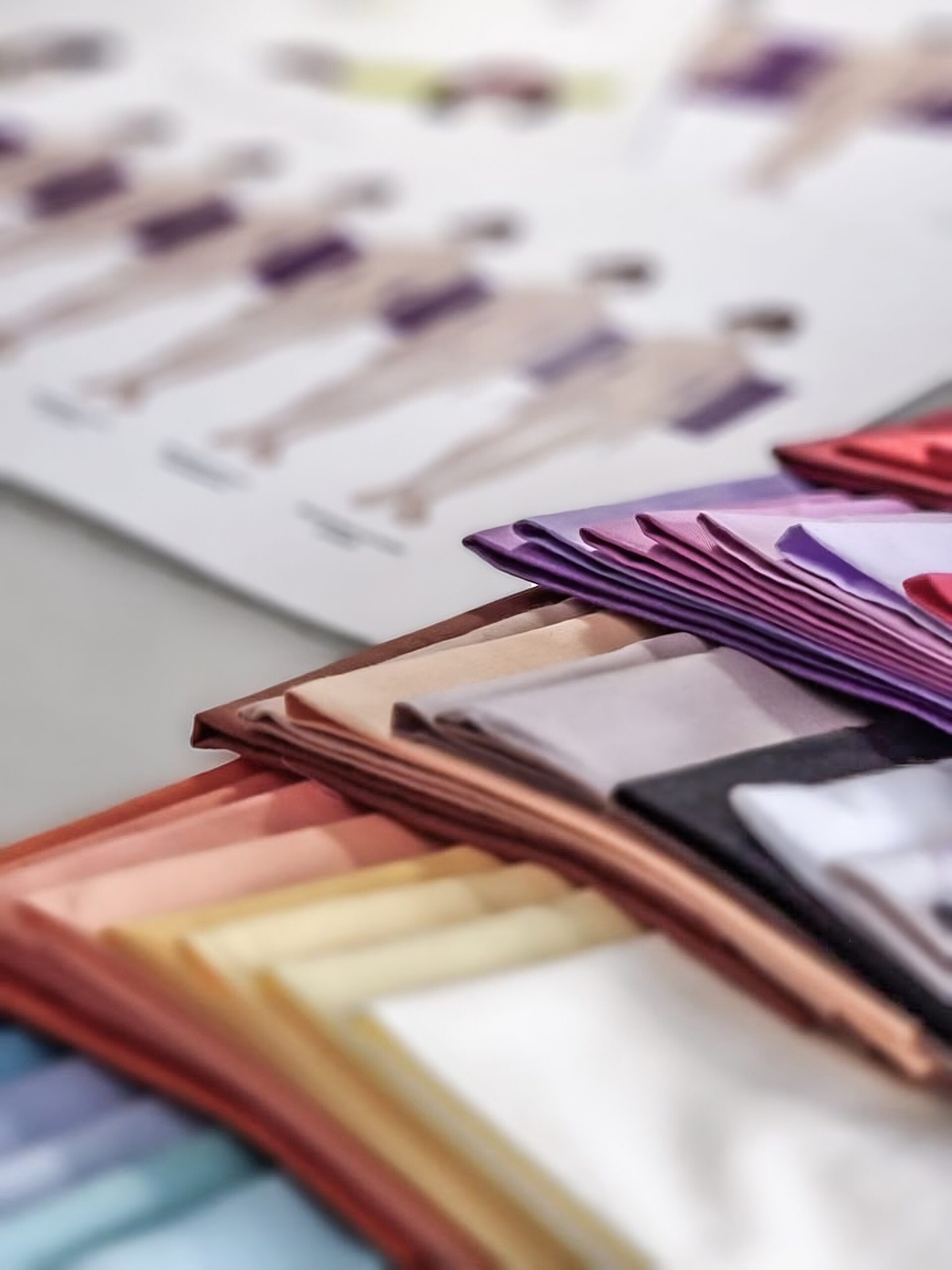
Modal fabric is a textile made with modal, a manufactured fibre produced by dissolving and regenerating cellulose, usually from wood pulp. It is often selected for soft clothing, including tops, underwear and loungewear. However, the word “modal” does not tell you how a finished fabric will fit, wash or wear.
For Dubai fashion founders, the sourcing decision starts with the garment. A flowing lounge dress and a fitted layering top need different levels of coverage, stretch and support. Use this guide to compare materials, prepare supplier questions and approve samples before ordering.
What Is Modal Fabric Made From?
Modal belongs to the regenerated cellulose fibre family. Plant-derived cellulose undergoes chemical processing to become textile fibre. It is therefore more precise to call modal a manufactured cellulosic fibre than simply “natural fabric.”
Modal is a modified form of viscose. Lenzing explains that changes to the production process give modal characteristically high wet strength. Lyocell belongs to the same broader cellulosic family but follows a different manufacturing route. These names should not be treated as interchangeable.
Also distinguish fibre from construction. Modal identifies a material; jersey describes a knitted structure. A supplier might offer modal jersey, rib or a woven modal blend, each requiring separate evaluation.
For a wider comparison of materials and constructions, see our guide to fabric types.
Which Garments Can Use Modal?
Modal-containing fabrics are worth sampling when softness and movement matter. Possible applications include:
- T-shirts and everyday tops: Check neckline stability, coverage and appearance after washing.
- Loungewear and sleepwear: Assess softness alongside knee bagging, seams and repeated care.
- Underwear and fitted layers: Evaluate stretch, recovery and compatibility with elastic trims.
- Dresses and relaxed separates: Examine drape, cling and how the fabric behaves around pockets.
These are starting points, not approvals. Lenzing documents softness and moisture-management benefits for its TENCEL™ Modal fibres, but those branded-fibre claims do not establish the performance of every finished modal textile.
For Dubai collections, test the intended wearing situation. Consider outdoor journeys, air-conditioned offices and layering. A fibre name alone cannot establish warm-weather comfort.
If your design needs crisp shoulders or a sharply defined silhouette, compare alternatives rather than expecting a fluid sample to provide structure.
Modal Fabric vs Cotton: What Should Brands Compare?
Neither material is automatically better. Cotton is a natural seed fibre, while modal is manufactured from regenerated cellulose. Beyond that distinction, compare actual fabrics rather than broad marketing promises.
| Buying consideration | Modal-containing fabric | Cotton fabric |
|---|---|---|
| Handle and drape | Often shortlisted for softness and fluid movement | Available in soft, fluid or crisp constructions |
| Garment direction | Consider for flowing pieces and close-to-skin layers | Consider for basics, shirting and structured pieces |
| Moisture behaviour | Verify absorbency and drying separately | Verify absorbency and drying separately |
| Washing | Check dimensional change and surface appearance | Check dimensional change and surface appearance |
| Durability | Request relevant pilling and wear results | Request relevant pilling and wear results |
| Final decision | Approve the specified fabric and garment | Approve the specified fabric and garment |
A lightweight modal jersey and a heavy cotton woven are not a fair fibre comparison. Wherever possible, shortlist fabrics with similar construction, weight and intended use.
Do not confuse absorbency with fast drying. AATCC lists separate methods for absorbency, moisture management and drying performance. If your product depends on these properties, request relevant evidence instead of relying on “breathable” in a quotation.
For example, compare both candidates in the same T-shirt pattern. Review coverage, neckline shape, comfort and post-wash appearance before deciding.
How to Choose Modal Blends
A modal blend fabric combines modal with other fibres. Start by identifying the problem the blend needs to solve.
Cotton-Modal
A cotton-modal blend lets you explore a combination of the two fibres. Request the exact percentages, construction and finish, then compare the sample with your reference garment.
Do not assume that adding cotton guarantees structure or reduces cost. Check the actual handle, quotation and cutting yield.
Modal with Elastane
Elastane may be included to support stretch and recovery in fitted clothing. Recovery means returning towards the original shape after stretching.
Test both directions and inspect knees, elbows and necklines. Stretch that feels comfortable initially may still leave unwanted bagging.
Other Modal Blends
Where suppliers propose polyester, silk or another component, ask what it contributes. Evaluate the resulting care requirements, appearance and evidence behind performance claims.
There is no universal best composition. A blend suitable for a fitted camisole may be unsuitable for a loose dress. Approve the fabric against your product brief, not a preferred percentage.
Quality Checks Before Ordering Modal Fabric
Confirm the Specification
Request written supplier specifications covering composition, knit or weave, fabric GSM, usable width and finish.
GSM means grams per square metre: fabric weight, not a quality grade. Compare it alongside opacity and drape. Check light colours over a contrasting background and under the tension expected during wear.
Keep an identified reference sample so later approvals relate to something concrete.
Check Pilling Resistance
Pilling means small balls of tangled fibres forming on the surface. CottonWorks explains that pilling depends on factors including fibre blend, yarn, construction, finishing and end use. Modal should not be assumed pill-proof.
Request the test method, conditions and result. Agree acceptable performance for the garment with your supplier or testing laboratory. A soft swatch alone cannot demonstrate durability.
Plan Shrinkage Testing
Review dimensional change before approving sizing and care instructions. AATCC TM135 evaluates fabric length and width changes after specified home-laundering procedures.
For initial screening, record sample dimensions and the wash-and-dry routine. Keep an unwashed comparison piece. Use a laboratory where standardised evidence is required; an informal wash check is not a certified test.
Also inspect the garment for twisting, seam distortion and altered drape.
Verify Colourfastness and Recovery
Colourfastness describes resistance to colour change or transfer under specified conditions. Ask about washing, rubbing and perspiration where relevant to the intended garment.
Review reports for the offered fabric and relevant shade. A result for an unrelated article is not sufficient approval.
For stretch products, assess recovery after movement and care. Connect these checks with prototype and sample development before committing to bulk cutting.
Questions to Ask Your Modal Supplier
When sourcing modal fabric, turn your requirements into written questions:
- What exactly is supplied? Confirm composition, construction, GSM, usable width and agreed tolerances.
- Can I obtain representative sample yardage? Establish whether it matches the proposed bulk specification.
- What are the minimums? Separate requirements by fabric, colour and custom finish.
- Is this repeatable stock? Confirm replenishment options and when quoted lead times begin.
- Which reports support the specification? Check fabric identity, tested conditions and report dates.
- How will bulk be approved? Agree shade references, inspection points and a process for differences.
- What supports environmental claims? Request evidence for the precise claim being made.
Sample yardage depends on pattern pieces, fabric width, sample sizes, cutting needs and testing. Ask your sample maker and laboratory to confirm requirements.
TENCEL™ Modal is a branded fibre, not a synonym for all modal. Verify identity before using producer-specific claims. Textile Exchange also highlights the importance of cellulosic raw-material sourcing; a generic fibre label is not sufficient evidence of responsible forestry.
Compare Swatches Before Choosing
For an initial comparison, shortlist two or three candidates for the same garment. Label each with its supplier code, composition, GSM and finish. Photograph them under the same lighting and compare them before and after the agreed care routine.
Record coverage, drape, surface changes and garment fit on one sheet. This creates a decision record rather than a collection of impressions. Treat these observations as internal screening; use appropriate laboratory reports to substantiate measurable product claims.
Choosing Modal Fabric for Your Collection
Choose modal fabric by matching the actual specification to your garment, then checking the sample. Softness matters, but so do coverage, wash performance and repeatability.
The Fashion Coterie offers swatch selection, sample yardage and supplier coordination. To explore materials for your next collection, discuss your sourcing brief with your garment ideas, quantities, budget and launch timing.
Frequently Asked Questions
What Is Modal Fabric Made From?
Modal is made by processing and regenerating cellulose, typically from wood pulp, into textile fibre. A finished fabric may contain modal alone or a blend, so confirm its full composition rather than relying on the product name.
Is Modal Fabric Better Than Cotton?
Neither is universally better. Compare fabrics for your garment’s drape, coverage, comfort, care and durability needs. Use similar constructions where possible, then judge finished samples rather than assuming the fibre name determines quality.
Is Modal Fabric Suitable for Clothing Worn in Dubai?
It can be suitable when the fabric and garment meet the intended use. Evaluate weight, opacity, fit and comfort during realistic wear, including layering and air-conditioned settings. Do not assume all modal fabrics perform alike.
Does Modal Fabric Shrink or Pill?
It can. Shrinkage and pilling depend on the finished material and its care conditions. Request relevant reports and evaluate samples before approving production. Avoid promises such as “shrink-proof” or “pill-free” without appropriate supporting evidence.
What Should a Brand Check Before Ordering Modal Blend Fabric?
Check composition, construction, GSM, usable width, stretch, recovery and care performance. Confirm sample availability, order minimums and bulk approval terms. For branded-fibre or environmental claims, request documentation that applies to the material offered.