Every fashion collection starts with an idea. But turning that idea into a product requires more than a beautiful sketch.
Fashion illustration helps communicate a designer’s vision, while a structured collection brief connects that vision to product development and manufacturing.
Understanding the difference is essential for fashion founders.
The practical question is what your development team needs next. An illustration can show the feeling of a collection, but decisions about materials, fit, construction, and cost need to be recorded before sampling begins.
What Is Fashion Illustration?
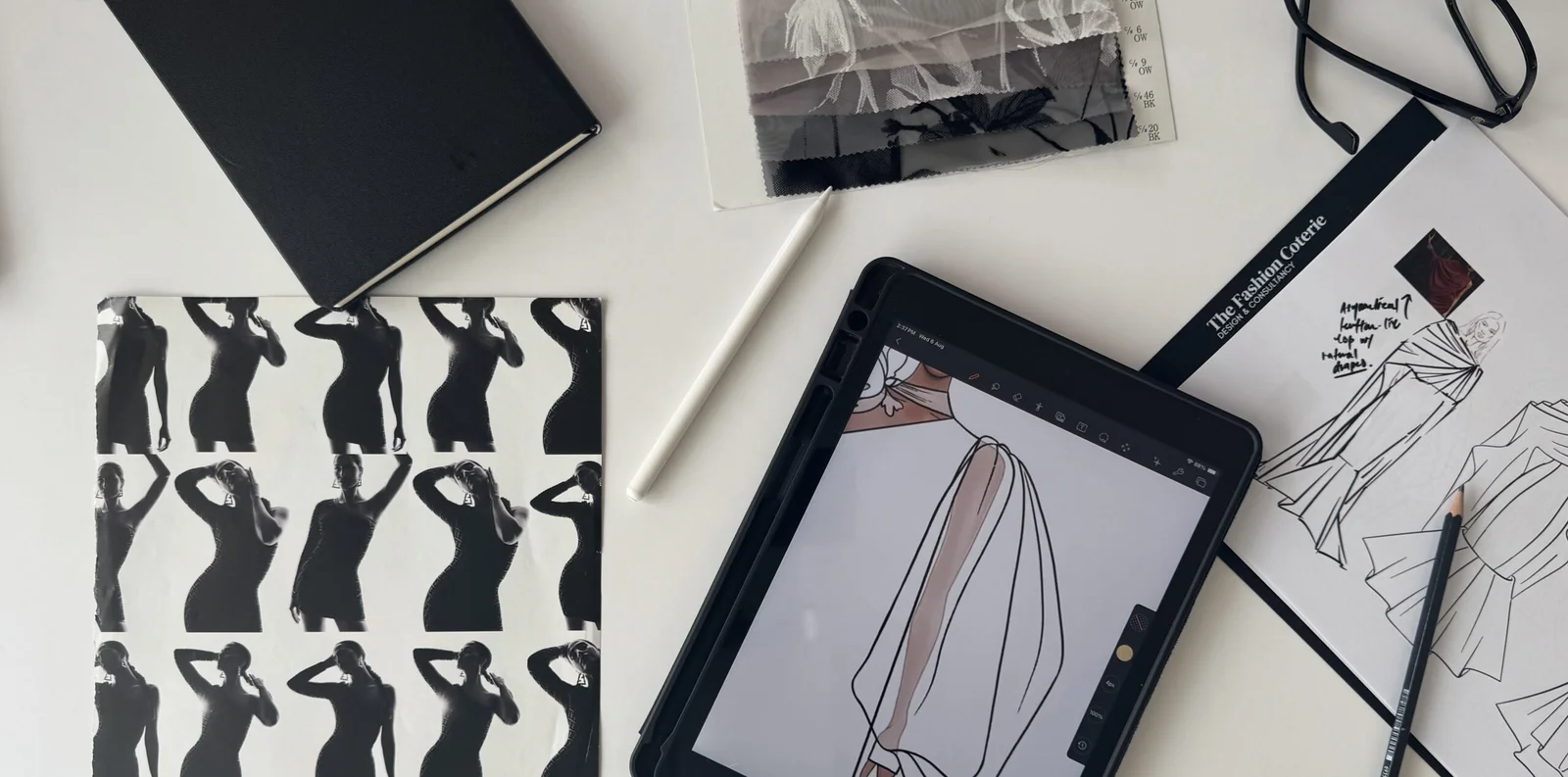
Fashion illustration is a visual representation of a garment or creative concept.
It can communicate silhouettes, proportions, colors, fabrics, and design details.
Illustrations are particularly useful during the early creative stages, when designers are exploring different directions before making final product decisions.
However, an illustration alone is not enough to manufacture a garment.
An expressive drawing might suggest flowing fabric or exaggerated proportions. Your development team still needs to understand which elements describe the intended garment and which are artistic choices. Separating these early gives everyone a clearer starting point.
From Fashion Sketch to Technical Development
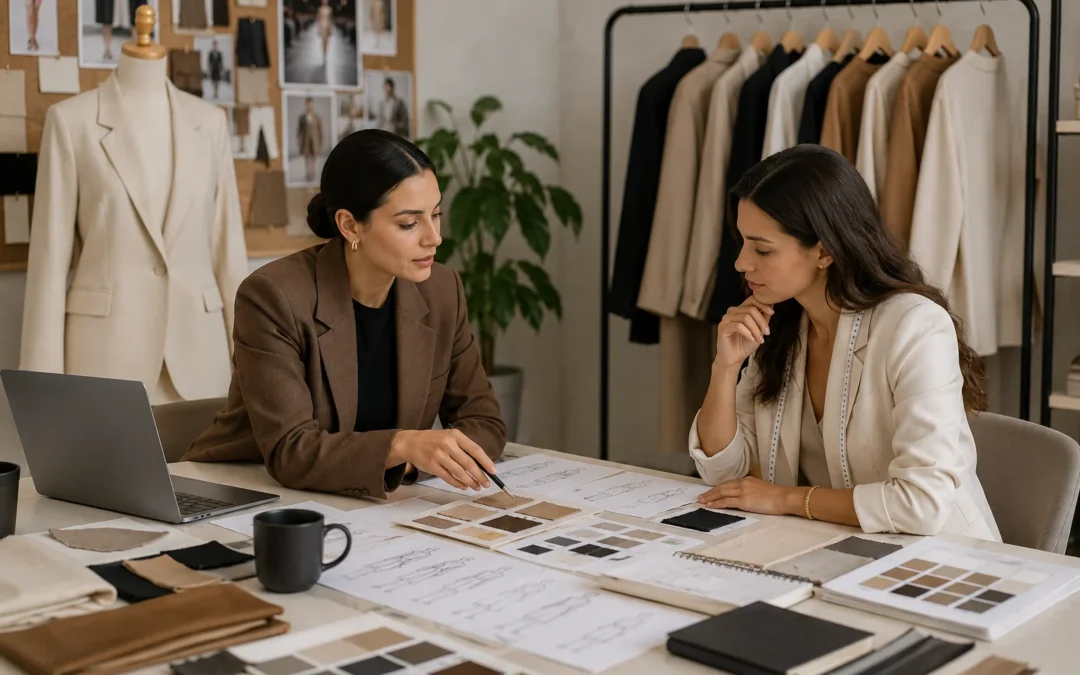
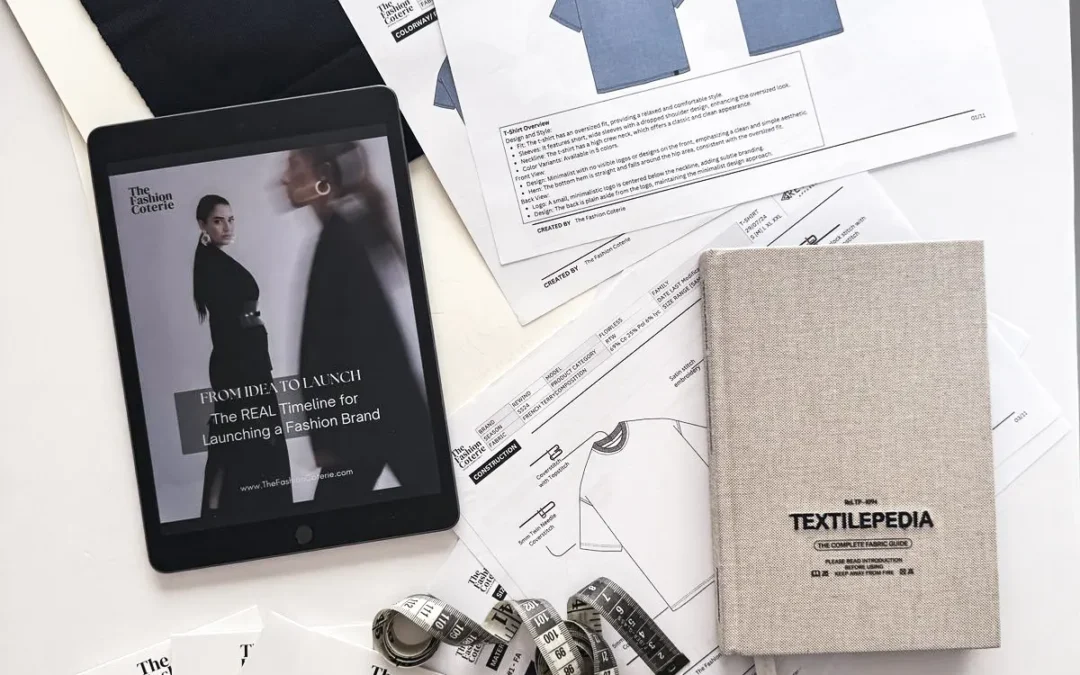
Technical development translates an approved sketch into drawings, measurements, material choices, and construction instructions that guide sampling.
Once a design direction is approved, the next step is translating the creative idea into technical information.
This may include:
- Technical flat sketches showing garment details
- Fabric and trim specifications
- Construction and finishing requirements
- Measurements and sizing references
- Colorways and product variations
These details help pattern makers, sample makers, and manufacturers understand how the garment should be developed.
Without clear specifications, the finished sample may differ from the original design.
Our guide to what to include in a fashion tech pack explains how these details come together in a working document. Give each style a reference code and date each revision so comments can be matched to the correct version.
A Practical Fashion Illustration Example
A dress illustration becomes a useful development reference when its shape, materials, closures, and proportions are clearly defined.
Imagine a sketch of a flowing midi dress with gathered sleeves. Before sampling, confirm where the hem should sit, how much sleeve volume you want, whether the dress needs lining, and how the wearer gets into it.
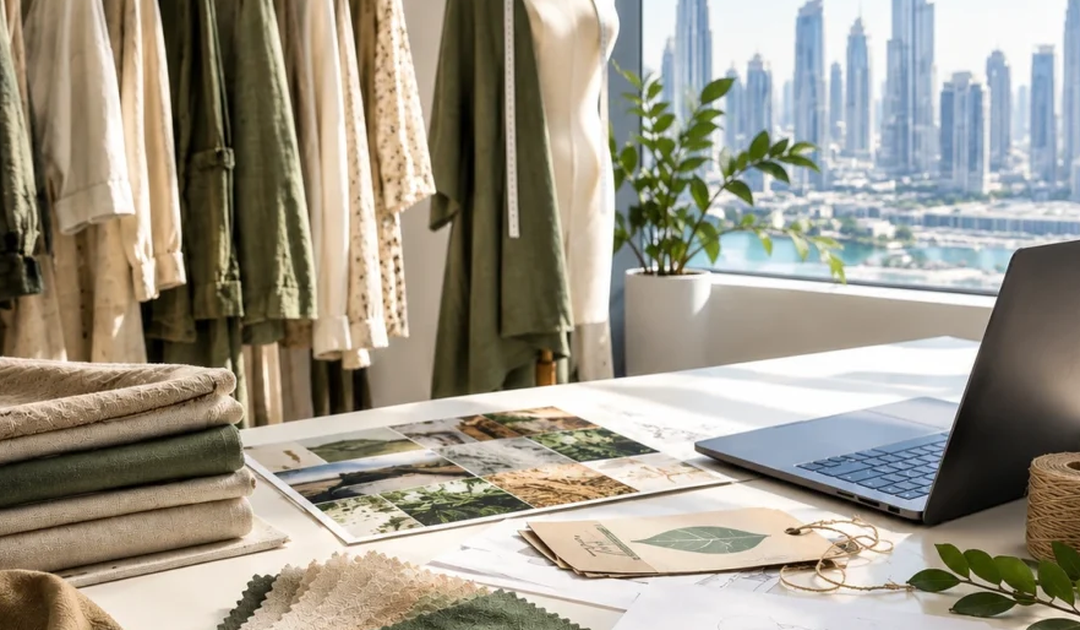
Material choice matters here. A crisp fabric and a fluid fabric can produce very different results from the same drawing. Reviewing physical swatches through fabric and trim sourcing helps connect the illustrated silhouette to a suitable material.
Why a Collection Brief Matters
A collection brief brings individual designs together into a commercially considered range.
It should explain the collection concept, target customer, product categories, design direction, and intended price positioning.
For example, a collection may include several beautiful dresses, but do they all serve the same purpose? Are the price points appropriate? Is there enough variety to meet customer needs?
A well-developed brief helps answer these questions before investing in sampling.
Think about how the pieces will work together. A shared palette may connect the range, while different shapes or occasions give customers a reason to consider more than one style. Our guide to planning a cohesive fashion collection explores these range decisions in more detail.
What Should You Prepare Before Sampling?
Prepare a collection overview, style list, material references, budget, and timeline, with unresolved decisions clearly marked.
Keep the collection brief and easy to use. Include:
- Customer and occasion: Who will wear the collection, and when?
- Product mix: Which categories, styles, sizes, and colorways are planned?
- Commercial targets: What retail prices, production budgets, and initial quantities are you working towards?
- Development schedule: When are design decisions, sample reviews, and launch preparations needed?
The collection brief sets the overall direction; individual tech packs hold the detailed instructions for each garment. Keep both documents consistent as decisions change.
Common Mistakes to Avoid
Avoid starting production with unresolved design details or committing to a large range before checking feasibility, costs, and customer needs.
One common mistake is moving directly from inspiration images or AI-generated sketches into production without technical review.
A visual concept may look impressive while leaving important construction details unresolved.
Another mistake is developing too many designs before evaluating production costs and commercial potential.
A good collection needs both creativity and structure.
Before approving a sampling design, check that the front and back views agree, closures are workable, and seams and pockets have clear positions. If a detail is undecided, flag it for discussion instead of leaving the sample maker to guess.
Review clothing manufacturing costs while developing the range. Extra lining, specialist finishes, or additional colorways can affect the budget and influence which designs you take forward.
How Do You Review the First Sample?
Compare the sample with your agreed specifications, check fit and movement, and record the changes needed before the next version.
A sample lets you assess what a drawing cannot fully show: how the fabric hangs, whether the wearer can move comfortably, and how the garment is finished inside.
Use your style code and current technical document when recording comments. Our guide to giving clear feedback on clothing samples explains how to turn observations into specific revision requests. Update the relevant documents after decisions are agreed.
Develop Your Collection with The Fashion Coterie
The Fashion Coterie helps brands turn creative concepts into defined designs, technical documents, and a coordinated collection development plan.
The Fashion Coterie supports fashion brands with illustration, design development, technical documentation, sampling, and collection planning.
We help turn creative ideas into clearly defined products that can move through the development process.
Our fashion design and development services connect collection planning with the practical work needed to develop and sample your styles.
Have a collection idea? Contact us to discuss your design and product development requirements.
Conclusion
Fashion illustration gives an idea visual direction; a clear collection brief and technical documentation help turn that idea into a developable range.
Before investing in samples, review how your styles fit together, confirm the material choices, and resolve the details a sketch leaves open. This gives your development team a clearer brief and gives you a stronger basis for reviewing the garments they produce.
Fashion Illustration FAQs
These answers explain how fashion illustration relates to technical drawings, collection briefs, and the information needed for sampling.
Is Fashion Illustration the Same as a Technical Flat?
Ans. Fashion illustration communicates the creative vision; a technical flat shows garment features in clear front, back, and detail views.
Can a Manufacturer Work from a Fashion Illustration Alone?
Ans. An illustration can start the conversation, but a manufacturer needs agreed specifications to develop and price the garment accurately.
What Is the Difference Between a Collection Brief and a Tech Pack?
Ans. A collection brief defines the direction of the range; a tech pack records the detailed specifications for an individual garment.
Do I Need to Be Good at Drawing to Start a Fashion Collection?
Ans. You can work with a fashion illustrator and technical designer to communicate your ideas and develop the required documentation.
When Should I Update My Collection Brief?
Ans. Update the brief whenever an agreed change affects the collection’s direction, product mix, pricing, materials, quantities, or schedule.