Fashion mood boards establish a campaign’s visual direction by aligning styling, photography, colors, locations, and the brand message before production.
A successful fashion campaign starts long before the photoshoot.
One of the most important steps is defining a clear creative direction that reflects the brand’s identity and communicates the right message to its audience.
This is where a fashion mood board becomes a useful planning tool.
For brands preparing a collection launch, creative direction and styling services can help connect an initial campaign idea with a practical visual brief.
What Is a Fashion Mood Board?
A fashion mood board is a visual collection of references that communicate the intended aesthetic of a collection or campaign.
It may include photography, colors, textures, styling references, locations, lighting, and poses.
The purpose is not to copy other brands but to establish a consistent visual direction before production begins.
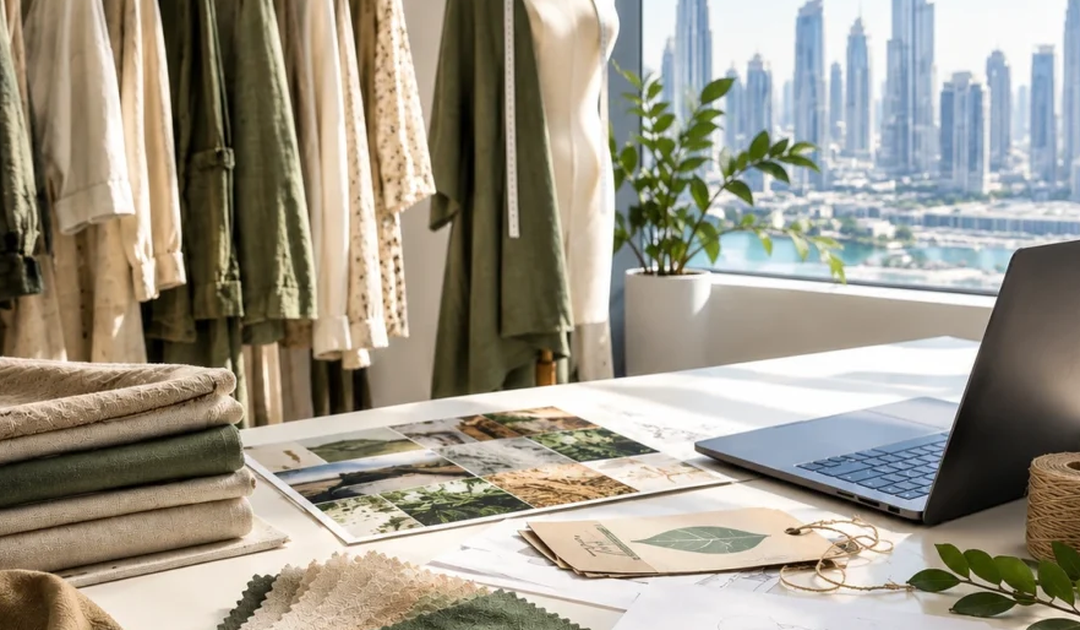
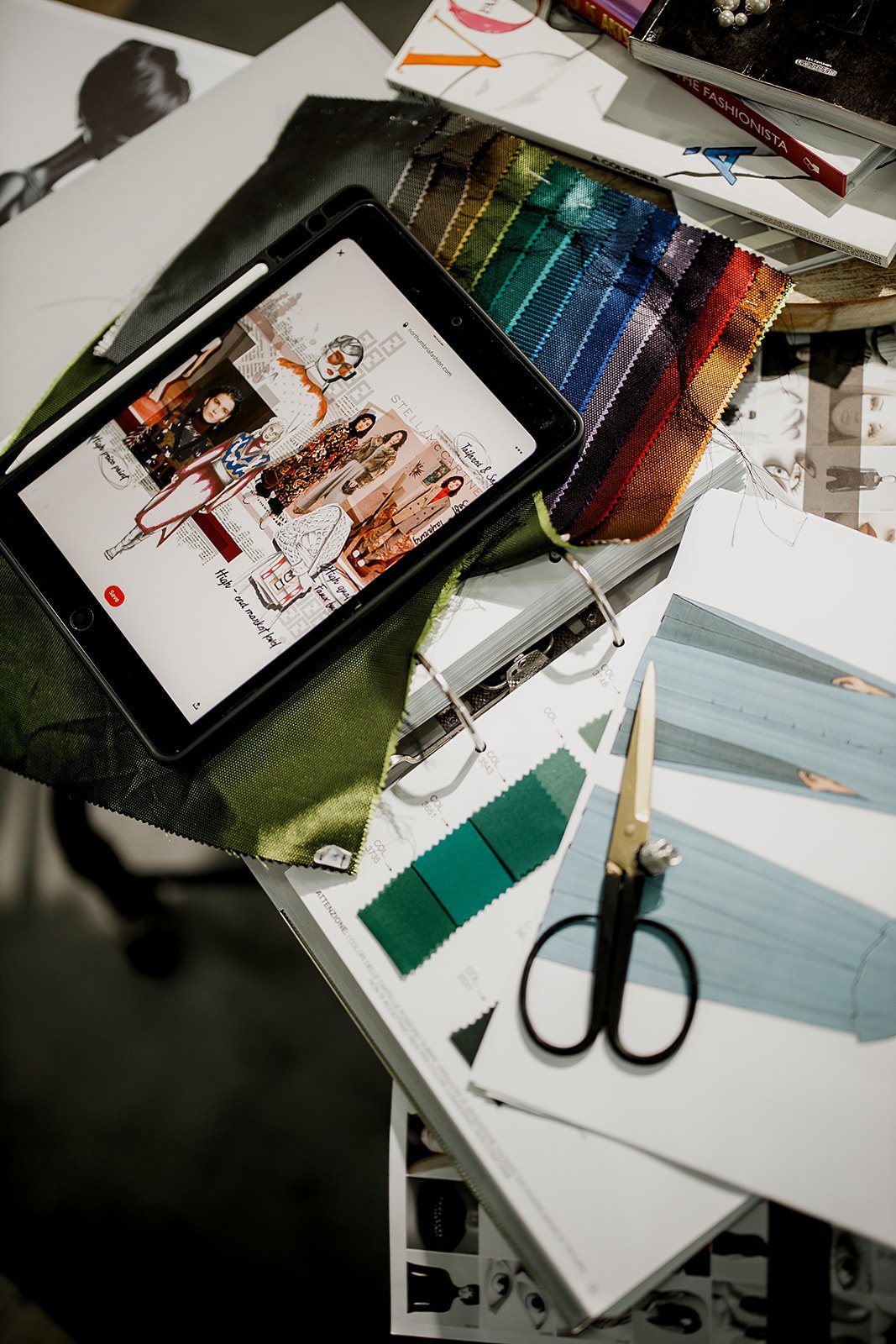
Fashion mood boards can be physical or digital. A physical board allows the team to review fabric swatches and printed references together, while a digital version makes it easier to share ideas and collect feedback remotely. Choose the format that helps your team make clear decisions.
Start with the Brand, Not the Images
Define the campaign message, target customer, and brand positioning before selecting visual references.
Before collecting references, ask yourself what the campaign needs to communicate.
Is the collection contemporary, minimalist, romantic, or sophisticated?
Who is the target customer? Where will the images be used? What emotions should the campaign create?
These questions are essential because beautiful images don’t necessarily make a strong brand campaign.
Creative direction needs to support the brand’s positioning.
For example, a campaign for understated workwear may call for restrained styling and considered compositions, while expressive occasionwear may suit a more theatrical approach. These are starting points to test against your own audience. Our fashion brand positioning examples show how different labels connect their identity with product direction and communication.
What Should a Fashion Mood Board Include?
Include references for color, styling, photography, location, and model direction, with short notes explaining what matters in each.
A well-structured mood board usually covers:
- Color palette: The main tones and visual atmosphere
- Styling: Outfit combinations, accessories, hair, and makeup
- Photography: Lighting, framing, and composition
- Location: Studio or outdoor settings that support the concept
- Model direction: Expressions, movement, and poses
These references help everyone involved understand the expected result.
Add a short note beside each reference explaining what the team should take from it. One photograph might demonstrate lighting, while another illustrates a silhouette or pose. This avoids treating every detail in a reference as an instruction.
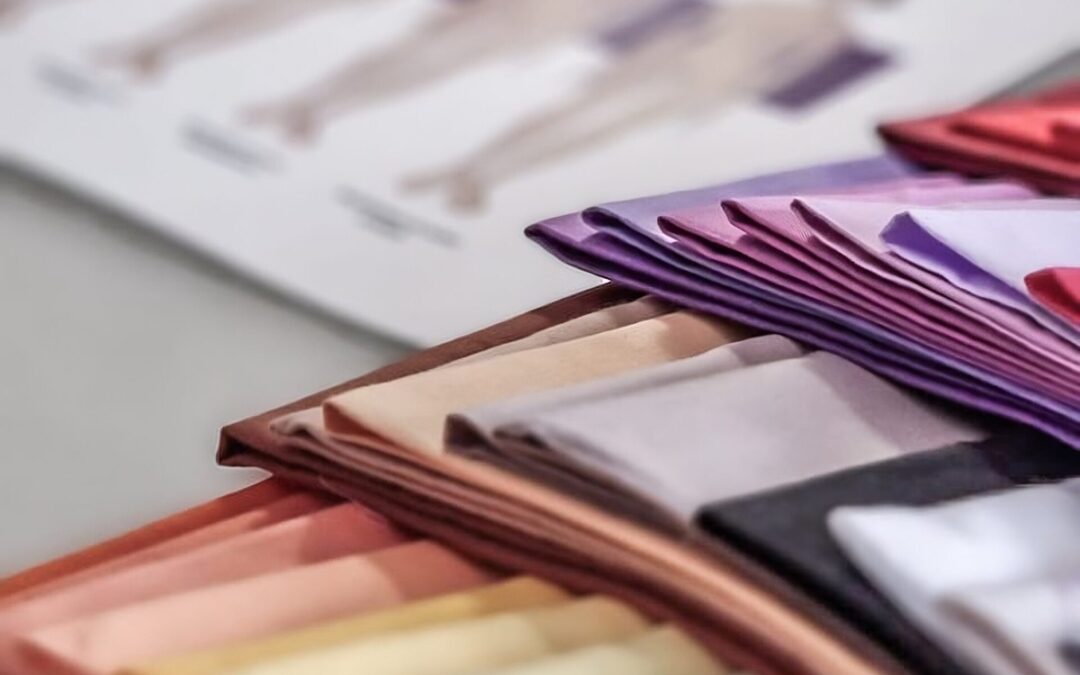
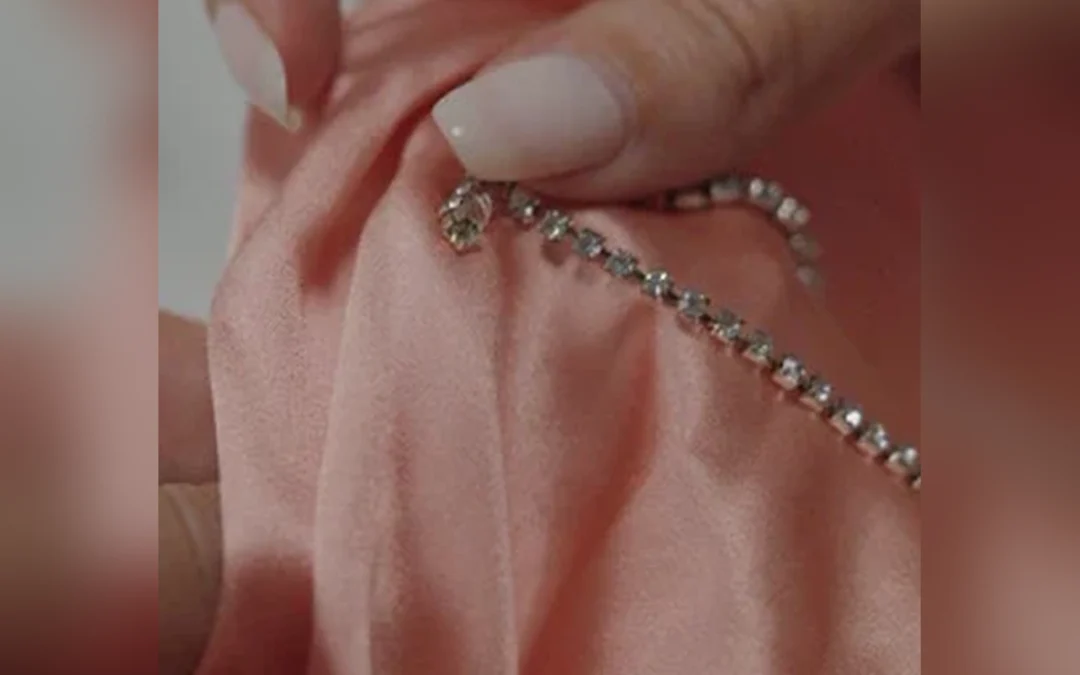
Where texture and drape are important, include actual swatches alongside the visuals. Our fabric sourcing services include swatch selection and sampling to support material evaluation.
How to Create Fashion Mood Boards for a Brand Campaign
Define the brief, organize relevant references, and confirm that the visual direction can be achieved with your production resources.
Define the Campaign Message
State what the campaign should communicate, who it should reach, and where the images will be used.
Write a one-sentence brief, then identify:
- Campaign purpose: A collection launch, buyer presentation, or brand awareness campaign.
- Target audience: The customers or buyers the images should speak to.
- Required formats: Website banners, social images, lookbook pages, or campaign photographs.
This helps the team choose suitable framing and leave space for text where needed.
Organize References by Purpose
Group references by styling, palette, photography, location, and model direction so each image has a clear purpose.
Select images that support the same concept, and remove references that introduce conflicting instructions. A smaller, focused selection is easier to interpret than an overcrowded board.
Review Fashion Mood Boards Before Production
Check garments, samples, locations, budget, and timing before approving the board and sharing one final version with the team.
Before confirming the concept:
- Check that the required garments, accessories, and props will be available.
- Confirm that the location, lighting, and schedule support the visual brief.
- Record feedback and approvals, then circulate the current board to the team.
From Mood Board to Campaign Execution
Translate the approved mood board into a shot list, styling plan, location brief, and production schedule before the shoot.
A mood board should guide practical decisions, not remain a presentation document.
Once the direction is approved, it can be translated into a shot list, styling plan, location requirements, and production schedule.
Consistency between these elements helps create a campaign that looks intentional rather than a collection of unrelated images.
Specify the required looks, image orientations, detail shots, and priorities in the shoot brief. For collections being presented to buyers, our guide to planning a fashion lookbook explains how those images can support a consistent collection presentation.
Discuss lighting and framing with the photographer before the shoot. Our fashion photography guide for brands provides further context for preparing the brief and defining deliverables.
Common Mistakes to Avoid
Avoid unrelated references, conflicting instructions, and concepts that do not match your brand or practical production requirements.
- Collecting attractive images without connecting them to the campaign message.
- Mixing conflicting styling, lighting, or location references without explaining which elements matter.
- Approving a visual concept before checking garment readiness and production requirements.
Keep the visual concept connected to the wider launch plan. Understanding the difference between fashion branding and marketing helps clarify how the campaign should express your identity and reach its intended audience.
Creative Direction with The Fashion Coterie
The Fashion Coterie supports fashion brands in developing creative concepts, styling direction, and visual communication for collections and campaigns.
Planning your next fashion campaign? Contact us to discuss your creative direction and styling requirements.
Conclusion
Fashion mood boards turn a brand’s identity into a shared visual direction for campaign planning and execution.
Start with a clear message, choose references with a purpose, and confirm how the direction will translate into styling, photography, and production. A focused board gives your team a shared reference throughout planning and execution.
Frequently Asked Questions About Fashion Mood Boards
Fashion mood boards define the visual direction, while the shoot plan turns that direction into specific photographs and production tasks.
What is the purpose of fashion mood boards?
Fashion mood boards define the visual direction of a collection or campaign through references for styling, colors, lighting, locations, and poses.
What is the difference between a mood board and a shot list?
A mood board establishes the overall aesthetic. A shot list specifies the individual photographs, looks, angles, details, and formats required.
How many images should a fashion mood board contain?
There is no fixed number. Choose enough references to explain the concept clearly, and remove repetitive or conflicting images.
Can I create a fashion mood board digitally?
Yes. Arrange images, color references, and notes digitally, then share an approved version. Use physical swatches when material details matter.
Should every campaign have a new mood board?
Create or update the board for each campaign’s goals, collection, and deliverables while keeping the brand’s visual identity consistent.