Size grading is the process of creating smaller and larger versions of an approved garment pattern using planned measurement changes. It helps a clothing brand carry its intended fit and design across a size range, rather than simply enlarging every part by the same amount.
A shirt can look right in your sample size but feel tight through the arms in a larger size. Trousers may fit the waist yet lose their intended shape around the hips. A clear grading process helps your team identify these problems before bulk production.
What Is Size Grading in Fashion?
Size grading turns a base pattern into a set of sizes. The base pattern is the starting pattern used to develop and approve the garment’s fit.
A pattern maker applies grade rules to selected points on each pattern piece. These rules control how widths, lengths and positions change between sizes. The goal is to retain the garment’s intended proportions and style.
For example, a relaxed shirt should still look relaxed throughout its range. Its chest, shoulders, sleeves and armholes need coordinated changes. Adding the same amount everywhere can distort the design.
How Size Grading Differs from Pattern Making and Alterations
These processes have different purposes:
- Pattern making creates the templates used to cut and assemble a garment.
- Pattern grading develops additional sizes from an established base pattern.
- Alterations adjust a pattern or garment to solve a particular fit issue.
Garment grading cannot repair an unsuitable base fit automatically. Approve the starting sample before expanding the range.
Body Measurements vs Garment Measurements
Body measurements describe the person wearing the clothing. Garment measurements describe the finished product. Your team needs both, but they should be recorded separately.
A body size chart may include bust or chest, waist, hips and height. A garment specification may include chest width, shoulder width, sleeve length and total length.
The difference between corresponding body and garment measurements is called ease. Ease helps create the intended fit and movement.
For example, a hypothetical woven shirt with a 100 cm chest circumference could be designed for a 92 cm body chest. The 8 cm difference is ease. This is an illustration, not a recommended allowance.
Stretch styles need separate assessment. Some close-fitting garments are smaller than the corresponding body measurements and stretch during wear. Fabric recovery and construction become important.
How to Plan Size Grading in 7 Steps
Plan your sizing before bulk production. Start with your customer, approve the base fit and check the graded sizes through samples.
Step 1: Define your target customer and size range
Identify the people, body proportions and garment uses you intend to serve. Do not rely only on labels such as small, medium and large. Establish the body measurements behind each label.
Include this work in your fashion product development process. Your customer profile should guide the range, rather than copying another brand’s chart without checking its relevance.
Step 2: Choose and approve a base size
Select a starting size that suits your development process and target customers. Fit the sample on a suitable person or form, then assess the intended shape and movement.
Correct pulling, gaping, balance and length issues before grading. A pattern with unresolved problems can carry those problems into additional sizes.
Step 3: Create clear clothing size charts
Prepare a body measurement chart for the target customer and a finished garment specification for production. Label them clearly.
Keep units consistent. Define exactly where each measurement starts and ends. A diagram helps avoid confusion over terms such as shoulder width or back length. State whether chest measurements are full circumferences or widths taken flat.
Step 4: Confirm the fabric and intended fit
Check how the chosen material stretches, recovers, hangs and changes after care. A rigid woven fabric and a stretch knit should not be treated as interchangeable.
Finalise material choices early through fabric sourcing. If you change the fabric later, reassess fit and measurements instead of assuming the previous approvals still apply.
Step 5: Agree the grade rules with your pattern maker
Grade rules define the changes between sizes at specific pattern points. Chest width, shoulder position, armhole depth and sleeve length may need different changes.
Your pattern maker translates the size specification into coordinated pattern adjustments. Record the approved measurements, rules and revision details in your fashion tech pack.
For a wide range, ask whether changing body proportions require adjusted rules or separate base patterns. Avoid extending one set of assumptions without checking fit.
Step 6: Review graded patterns and size samples
Check that adjoining pieces still work together. Sleeves, armholes, collars, waistbands and linings must remain compatible. Review notches, the small marks used to align pieces during sewing.
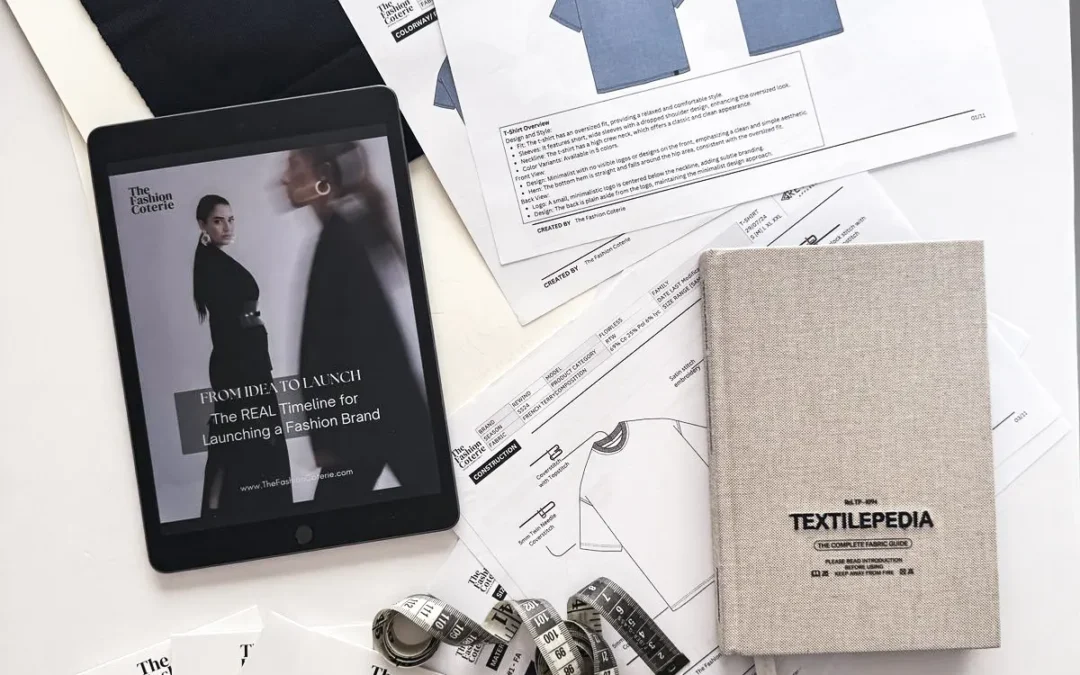
Agree a size-set sampling plan with your manufacturer. This means making selected sizes to assess the grading. Include smaller and larger sizes, with additional checks where fit risk is higher. The Fashion Coterie’s fashion production services include prototype development and production oversight.
Step 7: Approve measurements, fit and production tolerances
Measure the samples and assess them during normal movements such as sitting, reaching and walking. Use fit models whose measurements suit the intended sizes.
Agree tolerances, meaning the permitted variation from a specified measurement. A tolerance is not the same as a grade increment. Keep an approved reference sample and ensure the factory uses the latest specification.
A Simple Size Grading Example
The table below shows hypothetical finished garment measurements in centimetres. It illustrates progression from a medium base size. It is not a sizing recommendation or a chart to copy into production.
| Measurement | Small | Medium | Large |
|---|---|---|---|
| Full chest circumference | 96 | 100 | 104 |
| Body length | 64 | 65 | 66 |
| Sleeve length | 59 | 60 | 61 |
Here, the chest increases by 4 cm between sizes, while the lengths increase by 1 cm. Each measurement follows its own rule.
A flat chest width is different from a full circumference. In this simplified example, a 2 cm increase across a garment laid flat corresponds to a 4 cm circumference increase. Always confirm the measurement method before comparing figures.
Manual vs Digital Pattern Grading
Pattern grading can be done manually or with computer-aided design software, often called CAD.
Manual methods include cutting and spreading pattern sections or shifting the pattern and redrawing it. Digital systems apply entered grade rules to pattern points and help teams review the resulting sizes.
Both methods depend on sound measurements and suitable rules. Software does not confirm that a garment fits your customer. Physical samples and a clear approval process remain important checks.
Common Size Grading Mistakes to Avoid
- Grading an unapproved sample: Resolve the base fit first.
- Using one increment everywhere: Different areas need coordinated changes.
- Mixing body and garment measurements: Label each chart and measurement clearly.
- Ignoring smaller and larger sizes: A successful base sample does not validate the range.
- Changing fabric without reassessment: Stretch and care behaviour can affect fit.
- Overlooking components: Pockets, trims and artwork placement need review too.
- Using outdated files: Keep one approved specification and record revisions.
Once products are selling, review fit feedback by style and size. Repeated comments about tight sleeves or short lengths can guide the next development review. Check the evidence before changing your whole size chart.
Build a Consistent Range with Better Size Grading
Good size grading starts with clear customer measurements, a tested base fit and well-defined rules. Check how the garment looks and moves across the range before approving production.
The Fashion Coterie supports brands with tech packs, sampling and production planning. Contact our team to discuss your designs, intended size range and development needs.
Frequently Asked Questions
What Is the Purpose of Size Grading?
Size grading creates a planned range from an approved base pattern. It aims to preserve the garment’s design and fit across different sizes. Graded samples still need assessment because matching a measurement chart alone does not establish comfort, movement or appearance.
Is Pattern Grading the Same as Resizing a Picture?
No. Resizing a picture enlarges or reduces the whole image proportionally. Pattern grading applies specific changes to selected points. Widths and lengths can change at different rates, while related pieces must still join correctly. Uniform enlargement can create unsuitable proportions.
Does Every Clothing Brand Use the Same Size Chart?
No. Brands can serve different customers and use different fit preferences. A size label alone does not describe the full body or garment specification. Build your chart around your intended audience and explain the measurements clearly so customers can make informed choices.
Can One Base Pattern Cover Every Body Shape?
One pattern cannot be assumed to suit every body shape. Discuss your target customers and size range with your pattern maker. Some ranges may need separate base patterns or revised rules. Validate the approach with suitable fit models and graded samples.
When Should Grading Be Completed?
Grade after the base pattern and fit are approved, then review the required size samples before bulk cutting. If the fabric, construction or base fit changes, check whether the grading also needs revision. Approvals should refer to the current pattern and specification.