Most founders don’t ask whether they need help. They ask when. Hiring a fashion consultant too early means paying for strategic advice you can’t act on yet. Waiting too long means paying to fix mistakes that earlier guidance could have prevented. The right timing depends less on your brand’s age and more on which specific stage you’re actually in. This guide walks through the real signals at each stage, so you can tell whether bringing in a fashion consultant now is the right move or whether it can wait.
Concept Stage: Before You’ve Produced Anything
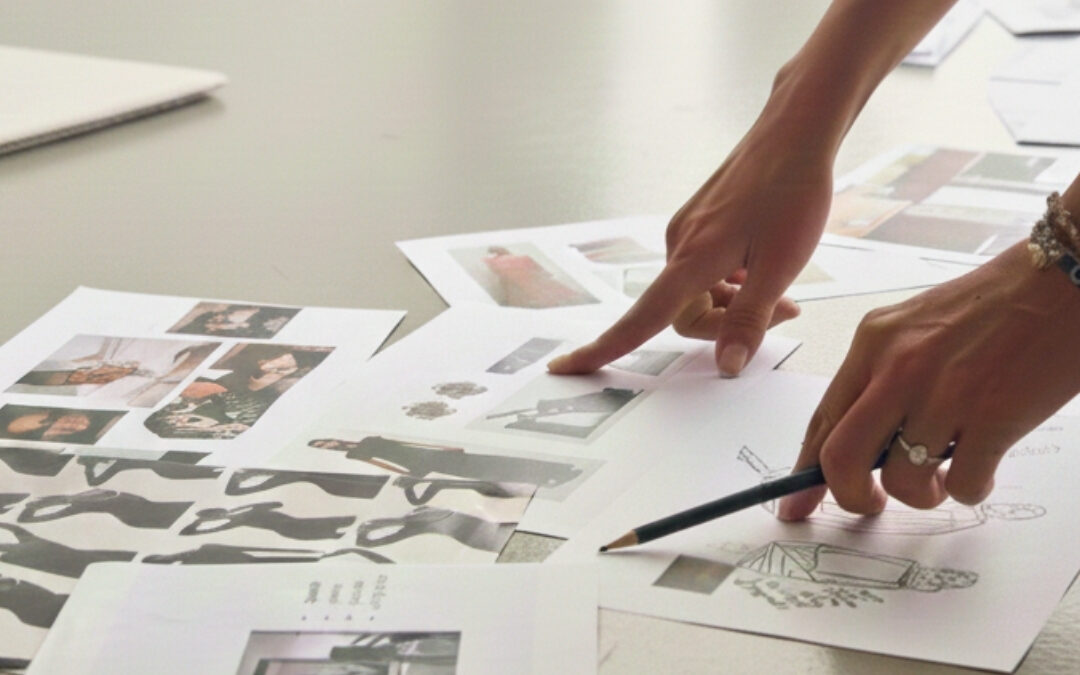
If you have a strong idea but aren’t sure how to turn it into an actual product, this is one of the most valuable times to bring in a fashion consultant, even though it can feel premature. Decisions made here, like whether your concept truly fits a premium or luxury position, how your first collection should be scoped, or even defining your style direction and mood board, are far cheaper to get right before production starts than to correct afterward.
Why Early-Stage Guidance From a Fashion Consultant Pays Off
Not every concept-stage brand needs full consulting support yet. If you’re still exploring ideas without any real commitment to a direction, a single strategy session with a fashion consultant, or even attending a hands-on workshop built for early-stage founders, is often more useful than an ongoing engagement. Our step-by-step brand strategy guide covers a lot of this groundwork if you want to try working through it yourself first.
Pre-Launch: You Have a Collection but No Clear Plan
This is one of the clearest signals to hire a fashion consultant. If your designs are finished but you’re unsure about pricing, which manufacturer to use, or how to actually get the product in front of customers, a strong product with no plan behind it rarely performs the way it should.
- You have a finished collection but haven’t settled on pricing that matches your positioning
- You’re evaluating manufacturers but don’t know which questions actually matter
This is often the point where fabric and material sourcing needs a second look too, since the right materials can shift both your costs and your positioning before production even starts. Our comparison of fashion consultants and fashion designers is worth reading here too, since it’s common to already have design help but still be missing the business side entirely.
Production Stage: You Have a Partner but Face Real Problems
If you’ve already found a manufacturer but keep running into quality issues, missed deadlines, or costs that don’t match your original quote, this is a strong signal it’s time to bring in a fashion consultant. At this stage, a fashion consultant typically focuses on production oversight and quality control, and renegotiating terms that aren’t working, rather than starting your brand strategy from scratch.
When a Fashion Consultant Differs From a Sourcing Agent
It’s worth noting that this overlaps with, but isn’t identical to, hiring a sourcing agent. Our breakdown of fashion consultants vs sourcing agents explains when a specialist factory-search role fits better than broader consulting support.
Growth Stage: Sales Are Working, but Something Feels Inconsistent
A common pattern among growing brands: sales are happening, but brand messaging feels less consistent than it used to, or margins are quietly shrinking even as revenue grows. Industry sources on this exact question point to plateaued growth, inconsistent messaging, and shrinking margins as some of the clearest signs a brand has outgrown what it can manage without a fashion consultant’s support. Often this is also the point where public relations and marketing need a more coordinated strategy, rather than ad hoc efforts that don’t reinforce a consistent brand message.
This is also the stage where founders often realize they’re doing brand management reactively instead of intentionally. Our guide on fashion brand management covers what that ongoing discipline actually involves once a brand reaches this point.
Established or Luxury Stage: Protecting What You’ve Built
For brands further along, especially those moving from a premium position toward true luxury positioning, the reasons to bring in a fashion consultant shift again. Here, the focus is less about fixing problems and more about protecting brand equity: making sure expansion into new products or markets doesn’t dilute what the brand has already built. Waiting until positioning problems become visible to customers is generally more expensive to fix than addressing them earlier.
Common Mistakes Founders Make With Timing
Bringing in a fashion consultant only after a crisis, like a failed production run or a public brand inconsistency, is one of the most frequent mistakes, since most of the value comes from decisions made before problems become visible. Hiring full ongoing support when a single, focused strategy session would solve the actual problem is another common overspend. Some brands also wait for a “perfect” moment that never quite arrives, when the more useful approach is matching the type of support to the specific stage-based signals covered above.
Where This Is Heading
More fashion consultants are shifting toward flexible, stage-based engagements rather than long, fixed retainers, reflecting how differently a concept-stage brand and an established brand actually need support. Remote and digital-first consulting is also making it easier for founders to bring in a fashion consultant for a specific problem, like a production issue or a pricing review, without committing to an extended engagement upfront.
Conclusion
The right time to hire a fashion consultant isn’t tied to a fixed age or revenue number for your brand. It’s tied to which specific stage you’re in and which signal you’re seeing: a concept you can’t move forward alone, a collection with no plan behind it, production problems with an existing partner, inconsistent growth, or an established brand protecting what it’s built. Match the type of support to the actual stage, and the timing question mostly answers itself. If you’re not sure which stage best describes where you are, our fashion consultant services and packages outline what support looks like at each level, and our consultation service starts with a conversation about exactly that.
FAQs
How do I know if my fashion brand is ready for a consultant?
Look at the specific signals for your stage: an idea you can’t move forward alone, a finished collection with no clear plan, or production and growth problems you can’t solve internally.
Is it too early to hire a fashion consultant before I’ve produced anything?
Not necessarily. Concept-stage guidance on positioning and collection scope is often cheaper to get right early than to correct after production has already started.
What’s the difference between a single strategy session and ongoing consulting?
A single session suits a specific, defined problem, while ongoing support fits brands facing multiple interconnected challenges across strategy, sourcing, and production at once.
Can a fashion consultant help fix an existing manufacturer relationship?
Yes, many consultants focus specifically on production oversight and renegotiating terms when quality, cost, or timelines have gone off track with an existing partner.
What are the signs a growing brand needs a fashion consultant?
Plateaued growth, inconsistent brand messaging, and shrinking margins are common signals that a brand has outgrown what it can manage without outside support.