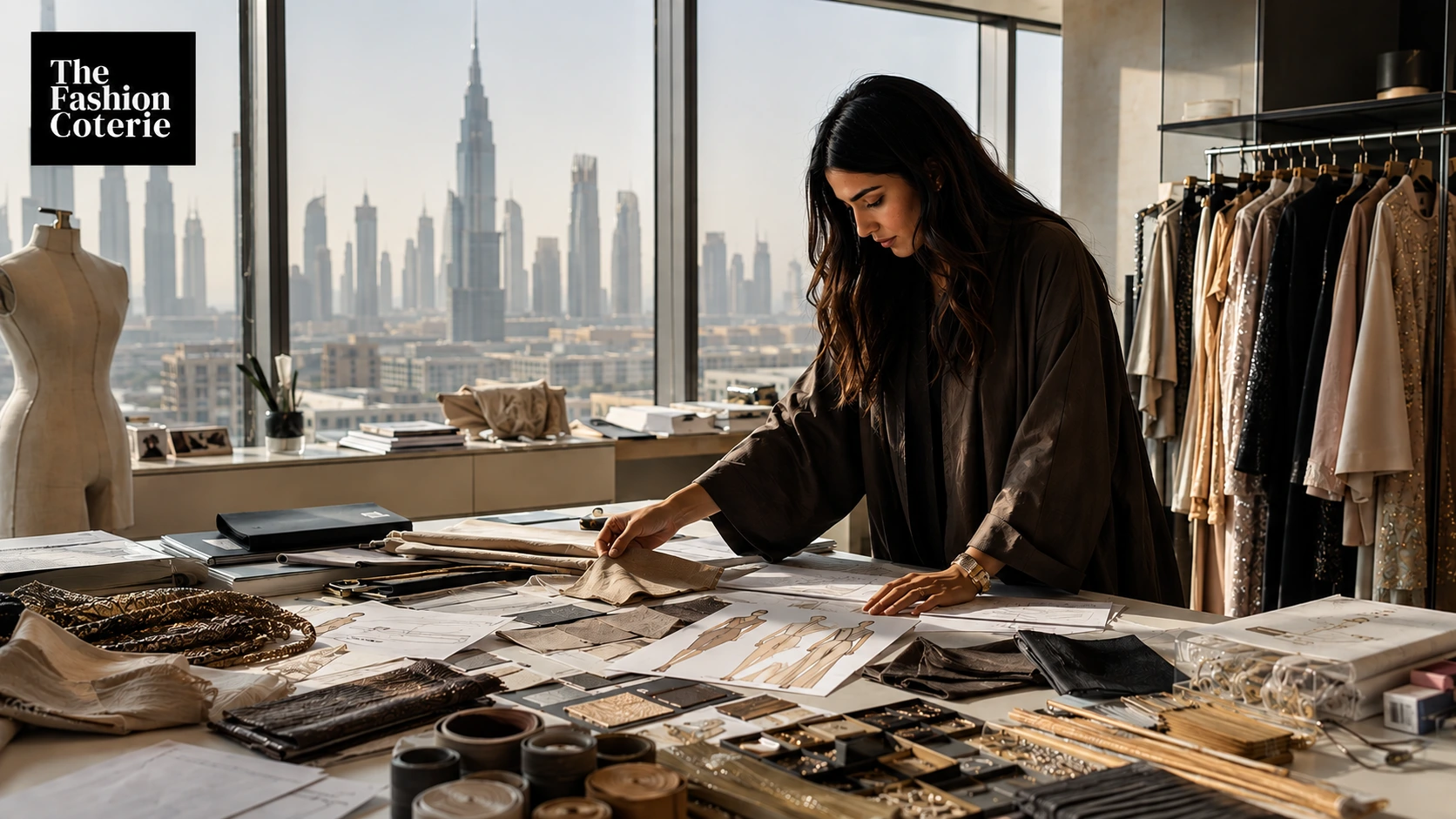
Learning how to start a clothing brand in Dubai involves far more than creating a logo and finding a factory. A commercially viable label needs a clearly defined customer, distinctive positioning, accurate product costs, dependable manufacturing, and a realistic plan for reaching customers.
Dubai offers access to buyers across the UAE and the wider GCC, creating opportunities for emerging designers, modest-fashion businesses, luxury labels and private-label startups. Founders must also account for strong competition, licensing requirements, import expenses, climate-appropriate materials and regional expectations around quality.
This guide takes you from validating the idea and registering the business to designing, sourcing, manufacturing, pricing and launching the first collection.
1. Choose the Right Clothing Business Model
Your business model determines your initial investment, inventory exposure, development timeline and level of control over the final product. Choosing the wrong model can leave a startup with either an undifferentiated product or more technical and financial responsibility than it can manage.
The three most common routes are:
- Print on demand: Suitable for testing graphics or audience demand with limited inventory risk, but it provides less control over fabric, fit, construction and finishing.
- Private label: Uses existing garments that can be branded or modified, allowing a faster launch while offering less exclusivity than custom development.
- Custom cut-and-sew: Creates original garments from the founder’s specifications, but requires tech packs, patterns, sampling, quality control, longer lead times and more capital.
Choose the model that supports your brand promise. A fit-led activewear or luxury tailoring brand may need custom development, whereas a creator testing graphic T-shirts may begin with print on demand. Test customer interest before committing to a large order.
2. Validate Your Niche and Brand Positioning
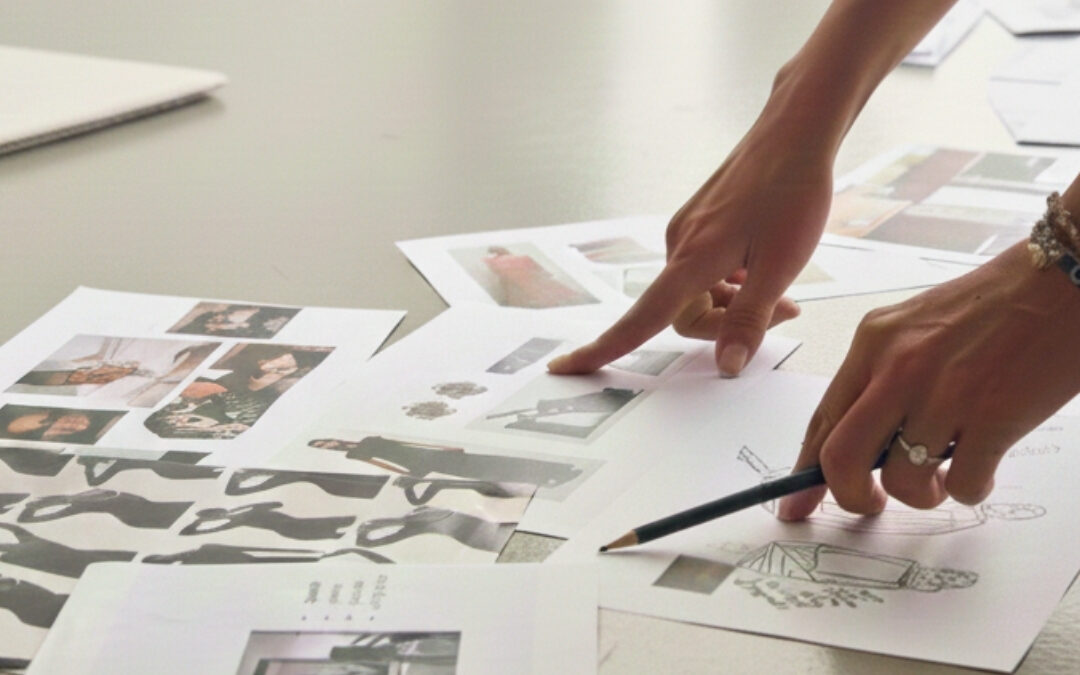
A strong clothing business starts with a specific customer rather than a broad product idea. “Luxury womenswear” gives little commercial direction, while “modest GCC occasionwear using breathable fabrics and contemporary tailoring” clarifies the customer, product function, material needs, and potential price position.
For founders researching how to start a clothing brand, customer validation should come before collection development. Speak with potential buyers about what they currently purchase, which fit or quality problems they experience, what they are willing to pay, and why they return garments. Review competitor sizing, materials, prices, delivery promises, customer reviews and brand messaging.
The fashion brand strategy guide can help connect your audience, value proposition, and visual identity. A structured fashion competitive analysis can then reveal underserved categories and prevent the collection from copying what already exists.
3. How to Start a Clothing Brand: Build a Realistic Dubai Budget
There is no single reliable figure for starting a clothing line because the cost changes with the business model, licence, number of styles, materials, sampling rounds and minimum order quantities. A custom luxury collection will naturally require more development than a small private-label range.
Separate the budget into product development, the first production order and an operating reserve. Include licensing, trademark work, technical design, patterns, samples, fabrics, trims, labels, packaging, quality inspections, freight, customs, ecommerce costs, photography, returns and marketing. Calculate the landed cost of every garment rather than relying only on the factory’s unit price.
For custom production, founders might allow two to four weeks for validation, four to eight weeks for technical development and sourcing, six to twelve weeks for sampling, and another six to twelve weeks or longer for bulk production. These are planning ranges rather than guarantees. Complex garments, unavailable fabrics, repeated revisions and international shipping can extend the schedule.
Practical example: A Dubai resortwear startup could test five styles in two colours instead of launching 25 unproven SKUs. Customer interviews and waitlist data identify the strongest concepts, while approved samples and landed-cost calculations determine which garments deserve a production order.
4. Register the Business and Protect the Brand
Choose between a Dubai mainland or free-zone structure according to how the company will sell, import, store and distribute its products. Confirm that the proposed licence covers the relevant ecommerce, apparel trading, fashion design or manufacturing activities instead of assuming that one activity covers every part of the business.
Check the availability of the proposed company name, domain and social handles before investing in branding. Trademark protection should also be considered early, particularly when the label plans to sell across several markets. Professional legal or business setup advice can help founders select the correct structure without overpaying for services they do not need.
Tax and import costs must be included in financial planning. The UAE Federal Tax Authority states that mandatory VAT registration generally applies when taxable supplies and imports exceed AED 375,000. Verify the current requirements for your individual business before trading.
5. Develop a Focused First Collection
A first collection should communicate the brand clearly without creating unnecessary inventory. Build the range around a small number of hero products supported by complementary pieces. Every garment should serve the same customer and make sense within the intended price architecture.
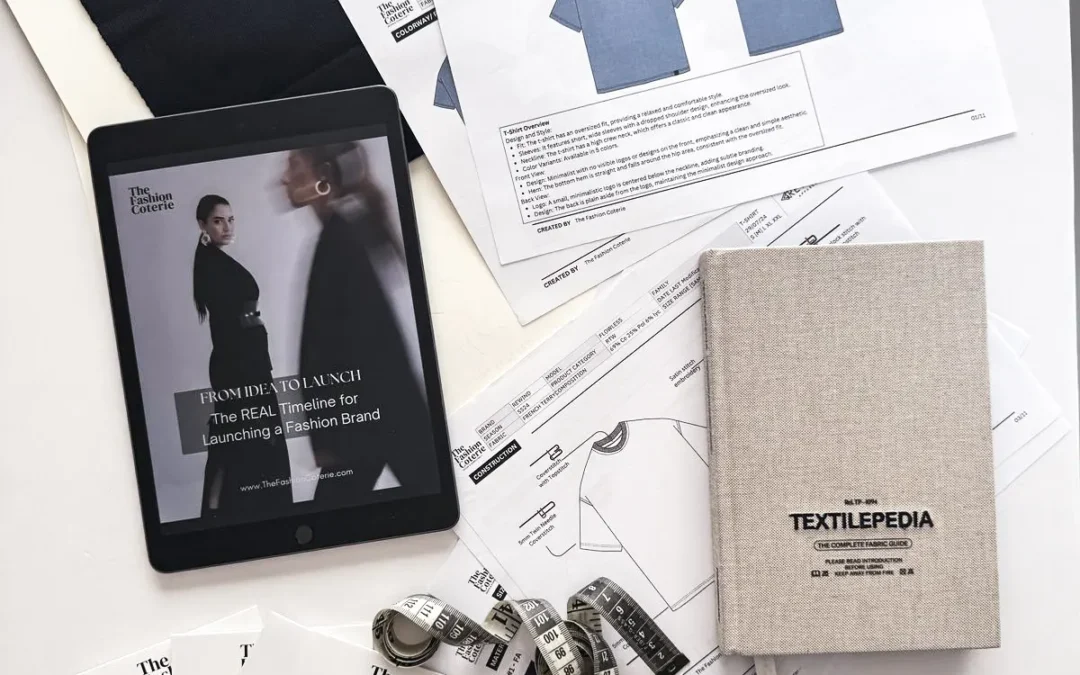
Professional fashion design development translates sketches and creative ideas into information a pattern maker and manufacturer can use. Your first collection should include:
- A defined collection concept, target customer and intended use
- Technical flats and complete garment measurements
- A bill of materials covering fabrics, trims, labels and packaging
- Colour references, construction details and care instructions
- A practical size range and grading plan based on the target customer
These details form the tech pack, which acts as the factory’s blueprint for quoting, sampling and production. Missing information creates inconsistent quotations and forces the manufacturer to make decisions that should belong to the brand.
Avoid adding products simply to make the collection appear larger. A focused capsule makes it easier to control fit, costs, photography and marketing while providing clearer information about which styles customers actually want.
6. Source Suitable Materials and Approve Samples
Fabric affects the appearance, comfort, durability, cost and perceived value of every garment-select materials for performance and consistency rather than appearance alone. For customers in Dubai and the GCC, breathability, opacity, colour stability and care requirements may be especially important.
Professional fabric sourcing should evaluate composition, weight, stretch, shrinkage, colourfastness, availability, certification and supplier MOQs. Confirm whether the same material can be reordered, because switching fabrics after a successful launch can change the fit and quality of the product.
Sampling should normally progress through fit and construction approvals before bulk manufacturing. Test movement, measurements, seams, closures, wash behaviour and finishing. Record every approved correction in the tech pack and retain an approved pre-production sample as the factory reference.
7. Select a Manufacturer and Control Production
A reliable manufacturer should have experience with your product category, materials and quality level. Compare factories by sample quality, communication, production capacity, minimum quantities, lead times and quality-control systems—not simply by the lowest quotation.
Ask who will purchase the fabrics and trims, whether any work will be subcontracted, how changes are approved and how defective units are handled. A factory that produces basic jersey T-shirts may not be suitable for structured tailoring, activewear or embellished occasionwear, even when its price appears attractive.
Professional fashion production support can connect sampling, low-MOQ manufacturing and production oversight. Approve fabrics, trims, labels, size sets and the pre-production sample before cutting begins. Independent garment inspection services can identify measurement, construction and finishing problems before stock reaches customers.
8. Set Profitable Prices and Plan the Launch
Pricing must begin with the full landed cost and the margin required by your sales channel. Include development recovery, overhead, payment fees, packaging, fulfilment, discounts, wholesale margins, expected returns, and customer-acquisition costs. A product can generate revenue while still losing money if these expenses are ignored.
Check whether the final price matches both the target customer and the brand positioning established during research. If the required price is too high, review the material, construction, production quantity or distribution model instead of reducing the margin without understanding the consequences.
Build demand before inventory arrives through a waitlist, development content, founder storytelling, appointments and carefully selected sample seeding. Fashion PR and market access can support visibility and buyer introductions. After launch, track conversion rate, return reasons, sell-through by SKU, gross margin and repeat purchases.
Expert Insight: Use Approval Gates
Do not approve bulk production simply because one sample looks attractive. A disciplined founder proceeds only when the target customer, selling price, tech pack, approved sample, landed cost, production capacity and delivery date all align.
Treat each stage as an approval gate. If the fit is inconsistent, the margin is inadequate or the factory cannot meet the required delivery window, solve the problem before placing the order. Correcting an issue during development is usually less expensive than correcting hundreds of finished garments.
Common Mistakes to Avoid
- Designing products before validating the customer and price point
- Ordering too many styles, colourways or units in the first collection
- Accepting a factory quotation without calculating the landed cost
- Beginning bulk production before approving samples and tolerances
- Making sustainability claims without evidence or traceability
- Spending heavily on launch content before proving product quality
Another common mistake is treating launch day as the end of the process. The first drop should generate evidence about demand, fit, pricing and customer behaviour. Use that information to improve the next order rather than immediately expanding the range.
Future Trends for Clothing Brand Startups
Smaller product drops and demand-led manufacturing will continue to help startups limit excess inventory. Digital product development, 3D sampling and improved production tracking can also reduce unnecessary physical samples and make approvals more efficient.
Customers and wholesale buyers are also asking more detailed questions about material origins, manufacturing conditions and environmental claims. Brands should use traceability as an operational discipline rather than a marketing slogan.
Within the GCC, climate-suitable materials, inclusive sizing, modest-fashion innovation and culturally relevant storytelling offer stronger long-term opportunities than copying short-lived international trends.
Conclusion
If you are learning how to start a clothing brand, connect creativity with commercial discipline. Validate the customer, choose an appropriate business model, control the budget, document the product, and test demand before scaling inventory.
The Fashion Coterie supports founders with strategy, design development, sourcing, sampling, low-MOQ production and market access. Book a fashion consultancy session to create a practical plan for your first collection.
Frequently Asked Questions
How much does it cost to start a clothing brand in Dubai?
Costs depend on the licence, business model, collection size, materials, sampling requirements and order quantity. Create a bottom-up budget that includes development, production, freight, customs, returns and launch marketing.
Do I need a licence to sell clothing online in Dubai?
Commercial e-commerce generally requires an appropriate UAE business licence. Confirm the permitted activities and whether a mainland or free-zone structure suits your sales, importing and warehousing plans.
How to Start a Clothing Brand Without Design Experience
You do not need formal design training to launch a label. Founders can work with fashion designers, pattern makers and product developers, but must still understand the customer, budget and approval process well enough to make informed commercial decisions.
How long does it take to launch a custom clothing brand?
A custom collection commonly takes several months because research, technical development, sourcing, sampling and production require sequential approvals. Complex construction, special fabrics, revisions, and international shipping can extend the timeline.
How many products should a first clothing collection include?
There is no universal number. A focused capsule should represent the brand clearly and provide enough choice without creating excessive SKUs, development expenses, or inventory risk.