For fashion entrepreneurs and emerging brands in Dubai, getting this process right is one of the biggest factors in whether your brand succeeds or struggles. In this guide, we’ll break down design development for fashion brands in plain, easy-to-understand language, so you know exactly what to expect and how to set your brand up for success.
What Is Design Development for Fashion Brands?
In simple terms, design development for fashion brands is the bridge between a creative idea and a finished, sellable product. It covers everything that happens after you have a concept, but before you start mass production.
This includes things like:
- Turning sketches into technical drawings
- Choosing fabrics and materials
- Creating patterns
- Making samples
- Testing fit and quality
- Refining the design based on feedback
Think of it as the “translation” stage. Your creative vision gets translated into something a factory can actually produce, consistently and accurately, every single time.
Why It Matters for Fashion Startups in Dubai
Dubai has become one of the most exciting places in the world to launch a clothing brand. The city offers zero personal income tax, a fashion-loving population, and a retail scene that attracts more than 20 million tourists every year. On top of that, government-backed initiatives support creative businesses and make it easier for new brands to get started.
But here’s the catch: a great market doesn’t guarantee a great product. This is where fashion design development becomes so important. Many new brands in Dubai struggle not because their ideas are bad, but because the journey from idea to finished garment isn’t properly planned.
Local hubs like the Dubai Design District (d3) host fashion labs and incubators that give independent creatives a platform to develop their ideas, underscoring the strong support for brands willing to invest time in getting their design development right from the start.
The Step-by-Step Process
Let’s simplify the entire process into clear stages. Every brand’s journey may look slightly different, but most follow a similar path.
Step 1: Research and Concept
Before any sketching begins, successful brands research their target market. This research stage involves identifying the target market and maintaining a consistent brand identity throughout the design process. Skipping this step is one of the most common reasons new collections fail to connect with customers.
Step 2: Initial Design and Sketching
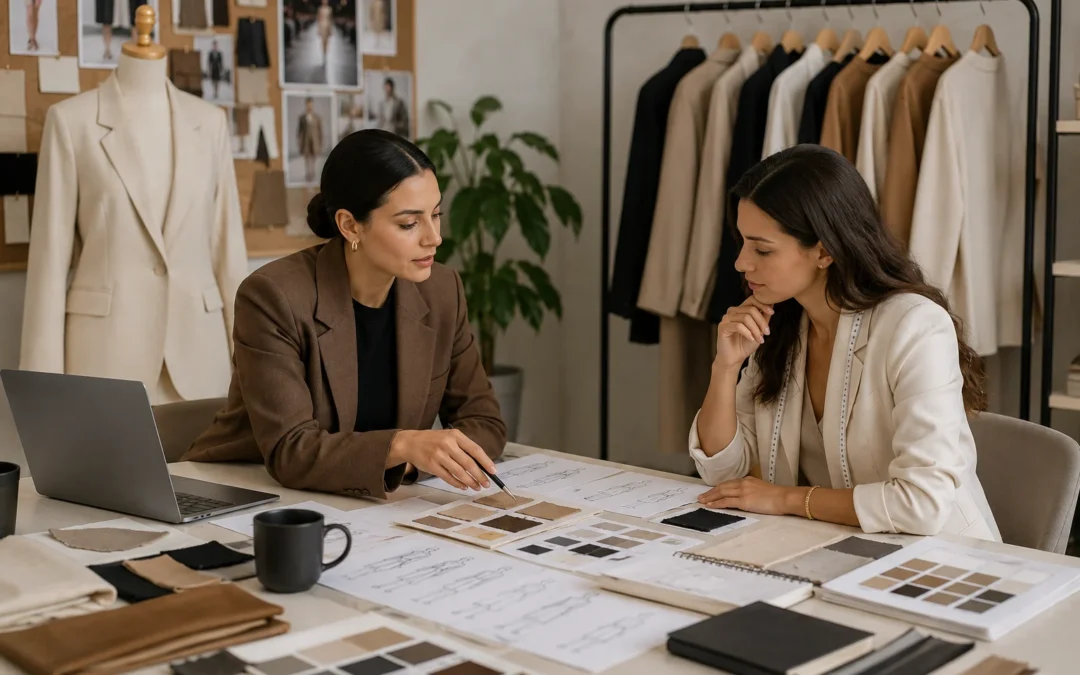
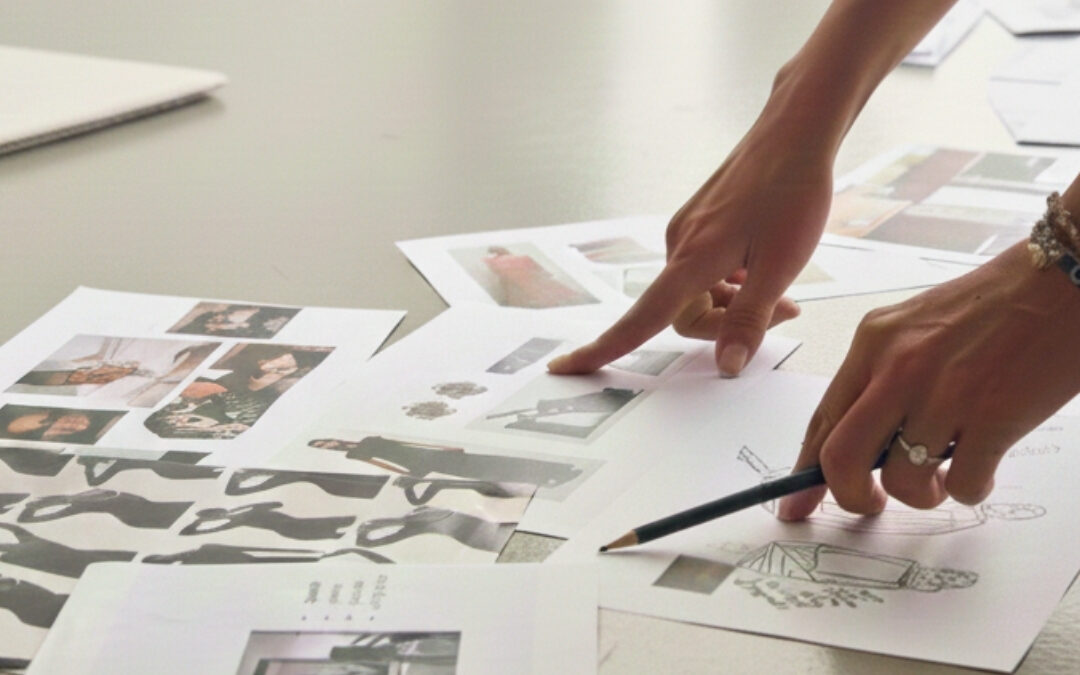
This is where your ideas start taking visual shape. Designers create sketches, mood boards, and rough concepts that capture the look and feel of the collection.
Step 3: Technical Design (Tech Packs)
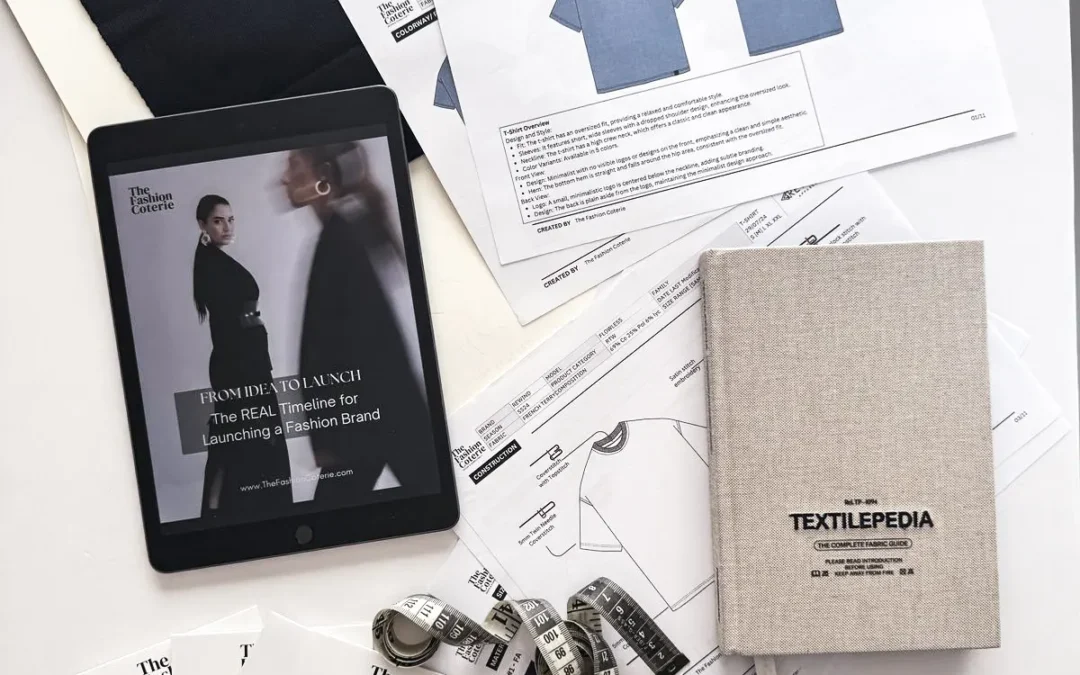
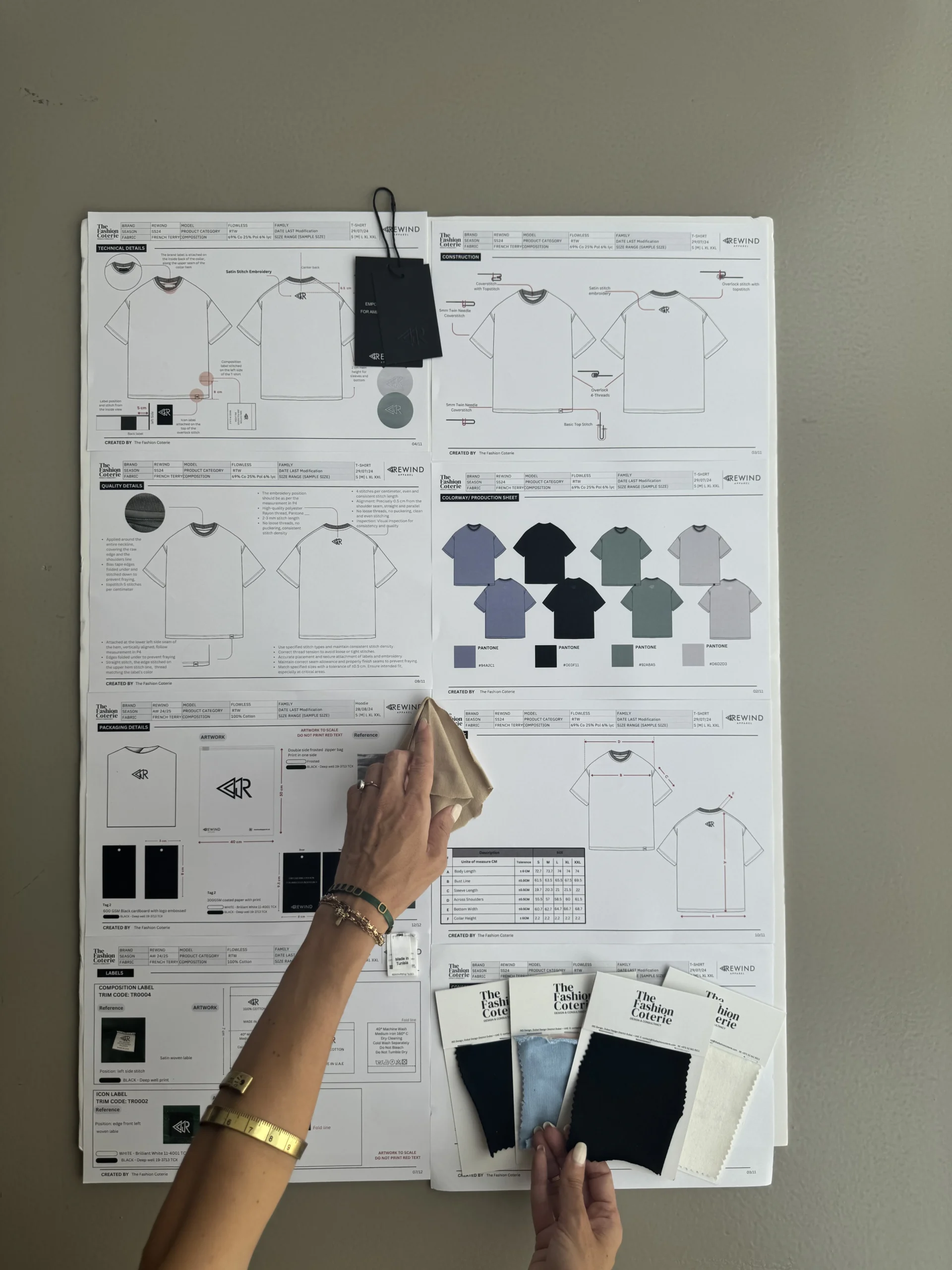
A tech pack is a detailed document that explains exactly how a garment should be made, including measurements, materials, stitching details, and colors. A technical designer translates creative ideas into a tech pack that supports correct construction during the product development stage. Without this step, factories are left guessing, which leads to costly mistakes.
Step 4: Material and Fabric Sourcing
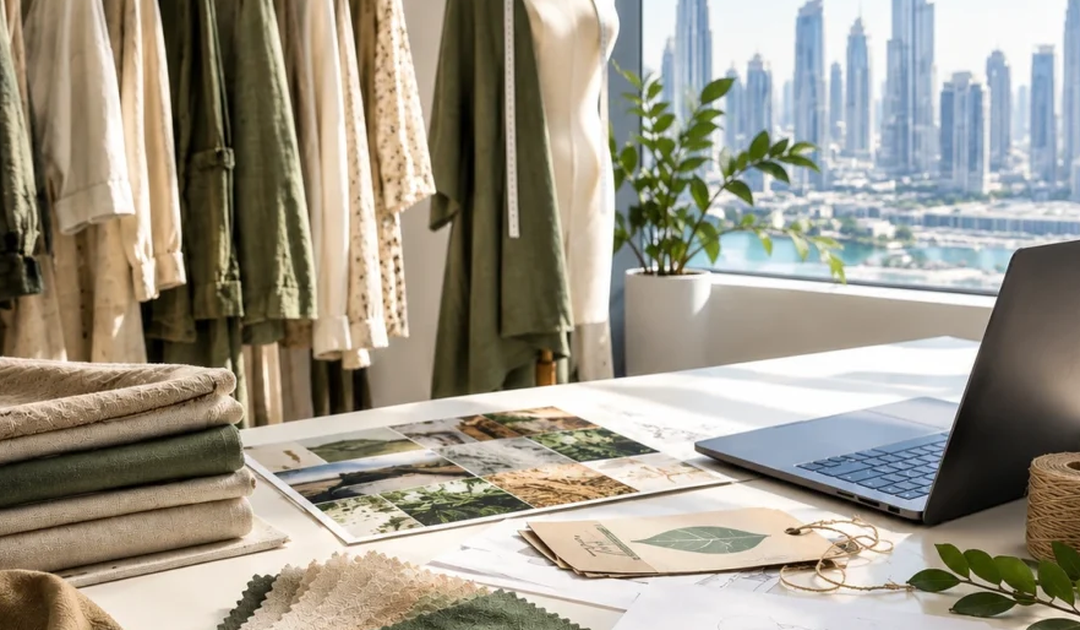
Choosing the right fabric affects everything: cost, comfort, durability, and how the final product looks. This step often happens alongside pattern development.
Step 5: Pattern Development and Prototyping
This is where digital tools really shine. Digital prototyping allows designers and developers to visualize and test products before a single thread is sewn, saving both time and money.
Step 6: Sampling
A sample is the first physical version of your design. It’s used to check fit, quality, and overall look before committing to larger production runs.
Step 7: Feedback and Refinement
Samples rarely come out perfect the first time. This stage involves reviewing the sample, noting changes, and sending revisions back to refine the design.
Step 8: Production-Ready Approval
Once everyone is happy with the sample, the design is approved for full production. Production readiness means preparing designs for sampling and manufacturing in a way that reduces errors, delays, and unnecessary costs.
Step 9: Manufacturing and Quality Control
Once the design has been approved, you and your factory agree on a timeline. After garments are produced, they go through inspection and quality control before being repackaged and sent to retailers.
Fashion Design Development vs Fashion Product Development
These two terms are often used together, and people sometimes confuse them. Here’s a simple breakdown:
Fashion Design Development:
- Focus: The creative and technical design of a single garment or collection
- Main activities: Sketching, tech packs, patterns, samples
- Stage: A core part of the overall process
- Output: Approved designs and samples
Fashion Product Development:
- Focus: The full journey from idea to finished, market-ready product
- Main activities: Research, design, sourcing, manufacturing, launch
- Stage: The bigger picture that includes design development
- Output: A complete product ready for sale
In short, fashion design development is one major part of the larger fashion product development journey.
Common Mistakes Brands Make
Even talented designers run into trouble during this stage. Here are mistakes to avoid:
Skipping proper research. Jumping straight to design without understanding your target market often leads to products that don’t sell.
Incomplete tech packs. Missing details mean factories make assumptions, and assumptions lead to errors in fit, fabric, or finishing.
Choosing fabric too late. Fabric affects fit, drape, and cost. Choosing it after the pattern is finalized often causes rework.
Rushing the sampling stage. Approving a sample too quickly without proper fit testing can result in costly bulk production errors.
Not planning for manufacturing capacity. Many startups discover too late that their chosen factory has high minimum order quantities. Many emerging brands quickly discover that factories in the region focus on large-volume production with high minimum order quantities, making it hard for startups needing small-batch manufacturing.
How to Choose the Right Design Development Partner
If you’re not building an in-house team, working with a fashion consultancy or design studio can make a huge difference. Look for a partner who offers:
- End-to-end support, from concept to production
- Experience with small-batch or startup-friendly manufacturing
- Strong communication and tech pack expertise
- Local manufacturing connections, especially useful for Dubai-based brands
- A portfolio of successful collections similar to your category
Some Dubai-based studios provide end-to-end solutions covering the entire fashion supply chain, from concept development and design to final production and delivery, which can be especially valuable for startups who want one trusted partner managing the whole process.
Future Trends to Watch
Digital-first development. More brands are using 3D design and virtual sampling to cut costs and speed up timelines.
Sustainability-driven sourcing. Eco-friendly fabrics and ethical manufacturing are becoming a customer expectation, not just a bonus.
Local manufacturing growth. Local manufacturers play a vital role in Dubai’s vision to become a leading fashion capital by offering world-class production facilities within the region, making local partnerships increasingly attractive for startups.
Small-batch flexibility. More manufacturers are adapting to serve startups with lower minimum order quantities, recognizing the growing number of emerging brands.
Conclusion
Design development for fashion brands isn’t just a technical process, it’s the foundation that determines whether your creative vision becomes a successful, sellable product. By understanding each step, from research and sketching to tech packs, sampling, and production, fashion startups and entrepreneurs can avoid costly mistakes and bring their ideas to life with confidence.
Whether you’re an emerging designer in Dubai or building a private label brand from scratch, investing time in proper fashion design development and fashion product development will save you money, time, and frustration in the long run.
FAQs
- What is design development for fashion brands?
It’s the process of turning a creative idea into a production-ready garment. This includes sketching, creating tech packs, sourcing materials, and sampling before mass production begins. - How long does fashion design development usually take?
It varies depending on complexity, but most brands need several weeks to a few months per collection. Rushing this stage often leads to costly errors later. - What’s the difference between design development and product development?
Design development focuses on creating and refining the garment itself. Product development is the bigger picture, covering everything from market research to final manufacturing and launch. - Do I need a tech pack for my designs?
Yes. A tech pack gives manufacturers clear instructions on measurements, materials, and construction, reducing errors and miscommunication during production. - Can small fashion startups in Dubai find manufacturers for small batches?
It can be challenging since many factories prefer large orders, but there are manufacturers and studios in Dubai that specifically support startups with smaller production runs.