Ever looked at a new collection and felt like the pieces just don’t belong together, even though each one is nice on its own? That disconnect rarely comes down to talent. It comes down to product development, the unglamorous middle stretch between a great idea and a finished, sellable collection, where a hundred small decisions either pull everything in the same direction or quietly pull it apart. Whether you call it fashion product development, apparel product development, or fashion product design, the work is the same: research, concept, tech specs, and sampling, handled in a way that keeps every piece feeling like it belongs to the same story. Some brands manage this in-house; others lean on a product development consultant to keep things on track.
What Fashion Product Development Actually Involves
Fashion product development is the process that takes a concept from an initial idea through market research, design, technical specification, and sampling, ending with a collection that’s ready for production. It sits between brand strategy, which sets your positioning and audience, and production, which turns finished specifications into physical garments. Skip or rush this middle stage, and even a brand with a sharp strategy and a capable factory can end up with a collection that undersells itself.
Getting this stage wrong is genuinely expensive, not just creatively disappointing. Industry data on early-stage clothing brands suggests only around 10% survive long-term, with a notable share failing within the first two years, and rushed or poorly planned product development is a recurring factor behind both weak sales and thin margins.
That’s not a coincidence. If you build a collection without a deliberate development process, it tends to produce pieces that don’t sell evenly, forcing markdowns on the weaker items and eating into the margin the stronger pieces were supposed to protect. Good product development isn’t just a creative exercise; it directly protects the business decisions you made earlier in your brand strategy, and it’s worth treating with the same rigor you’d give pricing or sourcing.
The Core Stages of Fashion Product Development
Every collection moves through a similar sequence, even if the pacing and formality differ by brand size. Understanding each stage properly, not just skimming past it, is what separates a collection that feels intentional from one that feels rushed.
Market Research and Trend Forecasting
This stage is about understanding what your specific customer actually wants, what’s missing from what’s currently available to them, and which trends genuinely fit your brand rather than just what’s popular generally. Many established brands use trend forecasting platforms like WGSN to inform this stage, feeding data on emerging colors, silhouettes, and consumer behavior into their planning well before anyone sketches a single piece. A smaller brand without that budget can still do meaningful research through direct customer conversations, competitor analysis, and close attention to what’s actually selling well in adjacent categories, rather than skipping research altogether because a formal tool feels out of reach.
Concept Development and Line Planning
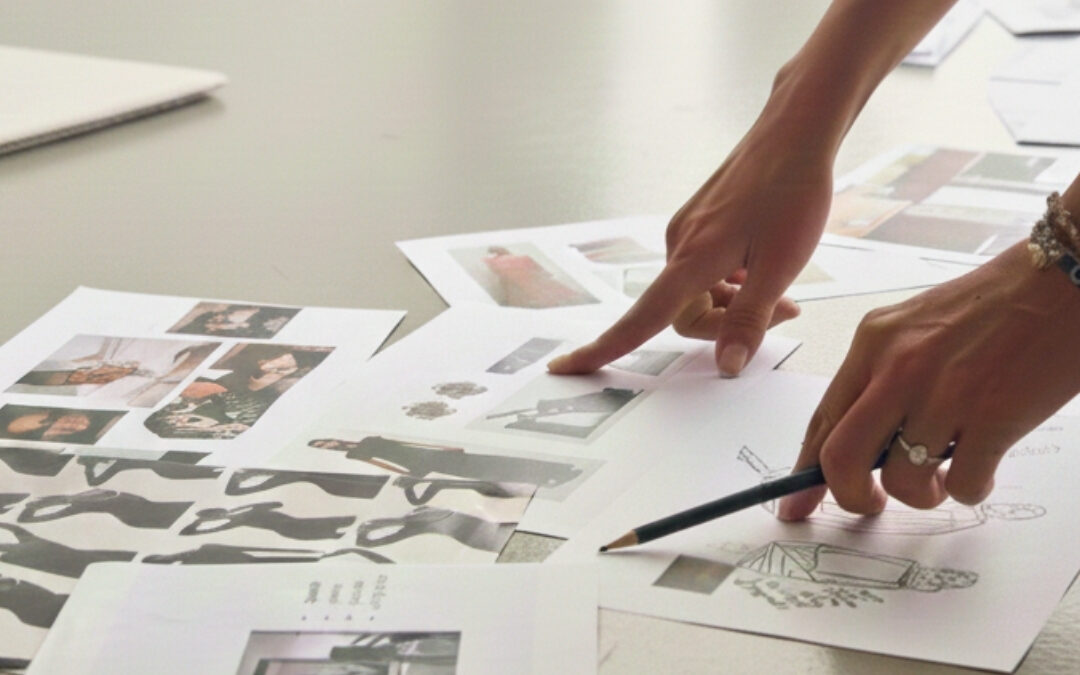
Once research is in hand, concept development translates it into a mood board and a rough line plan: a working outline of how many pieces you’re building, in which categories, and at which price points. This is also where the cohesion of a collection genuinely starts to take shape or start falling apart. If you build a line plan loosely, without a clear sense of how pieces relate to each other, you tend to produce exactly the scattered feeling this guide opened with. Build it deliberately instead, with a defined number of “hero” pieces and supporting pieces that clearly complement them, and every later decision reinforces the same story.
Technical Design and Tech Packs
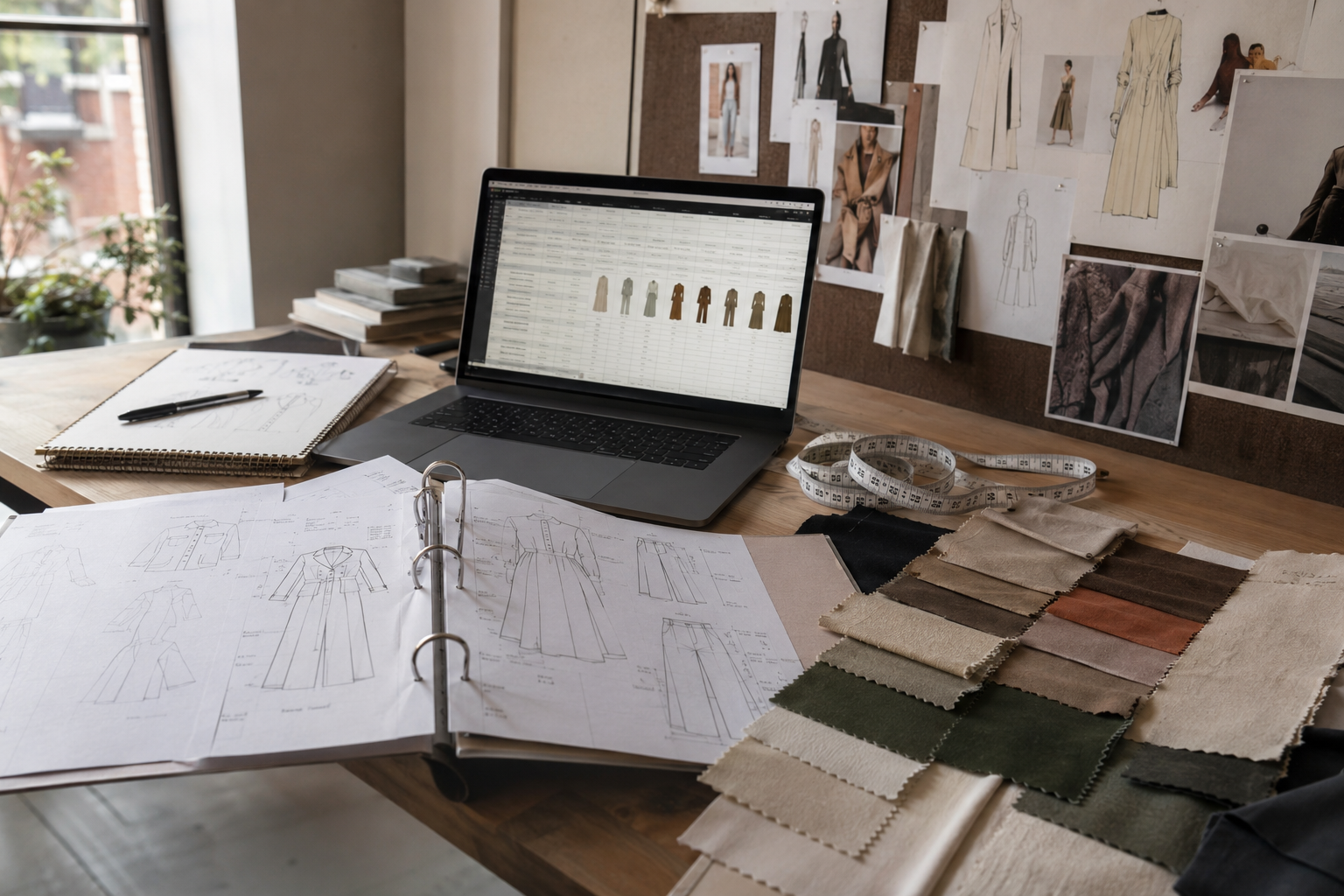
From concept, technical design begins. Sketches become tech packs, detailed documents that specify construction methods, exact measurements, and a bill of materials for every single piece. This is the stage where you translate creative decisions into something a factory can actually produce accurately and repeatedly. Skipping proper technical documentation here, even for a small collection, is one of the most common and costly mistakes brands make, since ambiguity at this stage almost always resurfaces later as a production problem.
Sampling and Fit Approval
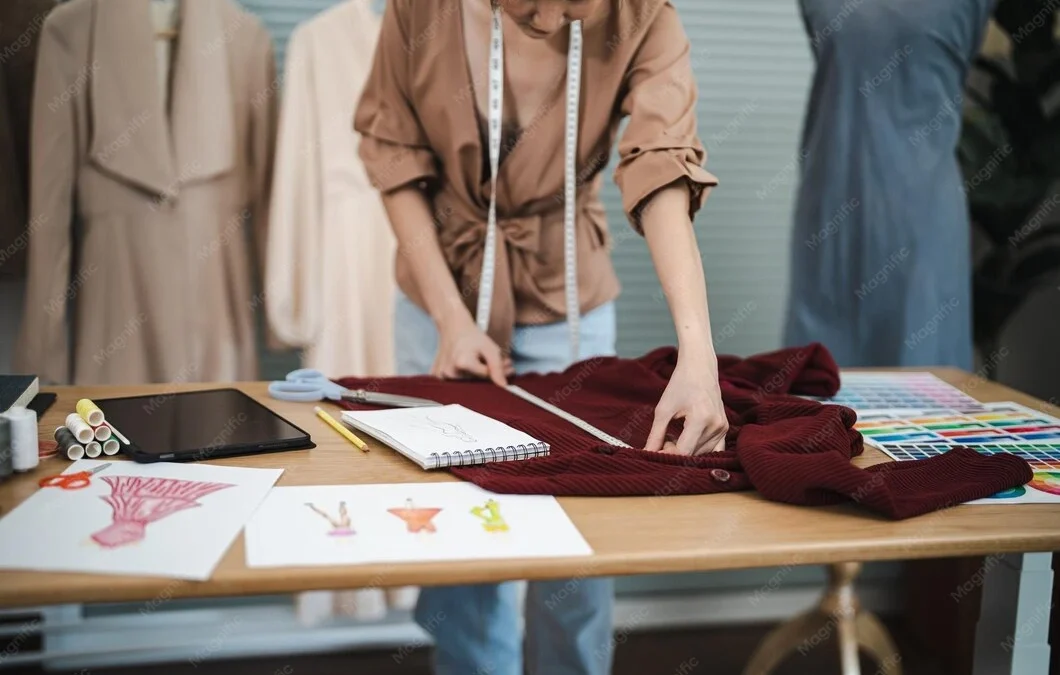
Sampling comes last before full production, with fit and pre-production samples confirming the design actually works as intended, not just on paper. Most brands go through at least two or three rounds here: an initial sample to check general construction and fit, revisions to correct any issues, and a final pre-production sample that should match exactly what will ship. Treat sampling as a formality rather than a genuine checkpoint, and avoidable fit or construction problems slip into a full production run instead of you catching them early.
What Makes a Collection Feel Cohesive
This is where most competitors’ process guides stop short, and where you actually decide whether a collection feels cohesive. Getting the stages above right technically doesn’t automatically produce cohesion; that takes a few additional, deliberate decisions layered on top.
- A consistent color story: choosing a deliberate, limited palette that repeats across pieces, rather than each item having its own unrelated color decision made in isolation
- A defined silhouette family: a recognizable range of shapes and cuts that feel related, even when individual pieces differ in category or function
Beyond color and silhouette, a clear price ladder also matters more than founders often expect. Pieces should sit at a logical spread of price points that make sense together, rather than jumping unpredictably between entry-level and premium within the same small collection, which confuses customers about what tier your brand actually occupies. A cohesive collection should also read as one brand story across every piece, tying back to the positioning decisions you made in your brand strategy, not developed as a separate creative exercise disconnected from it. A practical way to check this before finalizing a collection: lay out every piece together, physically or as flat sketches, and ask honestly whether a customer could tell they’re from the same brand without seeing a single label.
In-House Development vs Working With a Product Development Consultant
Not every brand has the internal team to run this entire process alone, and that’s a genuinely reasonable position to be in, not a shortcoming. Larger or more established labels often build in-house design and technical teams who manage research, tech packs, and sampling continuously across seasons. Emerging brands, especially those launching their first or second collection, more commonly bring in a product development consultant for exactly the stages where mistakes are costliest: line planning, tech pack accuracy, and sampling oversight.
The right choice depends less on brand size and more on where your own gaps actually are. A founder with strong design instincts but no technical background often benefits most from consultant support specifically at the tech pack and sampling stages, where construction accuracy matters more than creative judgment. A founder confident in the technical side but less sure about market positioning may need more support earlier, during research and concept development. Being honest about which of these describes your situation is more useful than assuming you need either full in-house capability or none at all.
Common Mistakes Brands Make
Designing individual pieces in isolation, without checking them against the rest of the collection’s color story and silhouette range, is one of the most frequent mistakes, and it’s usually what makes a finished collection feel disjointed even when each item looks good alone. Skipping proper tech pack development and moving straight to a factory with rough sketches is another common issue, leading to costly miscommunication during production that often only surfaces once a factory has already produced a full run.
Some brands also finalize designs without checking whether a factory can actually produce them within budget and timeline, discovering cost or capability mismatches only after committing to a collection, which is far more expensive to unwind than to catch during concept development. A final, quieter mistake: treating sampling as a rubber stamp rather than a genuine checkpoint, which lets avoidable fit and construction issues slip through into full production.
Where Fashion Product Development Is Heading
Digital tools and PLM (Product Lifecycle Management) platforms are making it easier for smaller brands to manage development without a large in-house team, centralizing tech packs, sampling feedback, and supplier communication in one place rather than scattered across email threads and spreadsheets. AI-assisted trend forecasting is also becoming more accessible beyond large brands with enterprise software budgets, giving emerging labels earlier visibility into shifting customer preferences without the cost that once limited this kind of research to established players. As sustainability expectations grow, product development increasingly includes material sourcing decisions earlier in the process, rather than treating sustainability as an afterthought once you’ve already finalized designs and locked in a factory relationship.
Conclusion
Fashion product development isn’t just the technical bridge between an idea and a finished collection. It’s where a set of individual pieces either becomes a genuinely cohesive line or ends up feeling like a collection of unrelated items that happened to launch together. Build your color story, silhouette family, and price ladder deliberately, alongside a solid tech pack and sampling process, and the difference shows up clearly on the rack and eventually in your margins. If you’d like support turning a concept into a production-ready, cohesive collection, our styling and fashion production services cover exactly this stage, and our consultation service is a good starting point if you’re not sure where your collection currently stands.
FAQs
What is fashion product development?
Fashion product development is the process of turning a concept into a market-ready collection, covering market research, design, technical specification, and sampling before production begins.
What makes a fashion collection feel cohesive?
A consistent color story, a defined silhouette family, and a logical price ladder across pieces are the core elements that make a collection read as one connected line rather than unrelated items.
Do I need a tech pack for a small collection?
Yes. Even a small collection benefits from proper tech packs, since they reduce miscommunication with manufacturers and protect against costly production mistakes.
What is a product development consultant, and do I need one?
A product development consultant helps brands manage the design-to-tech-pack process, particularly useful for founders without an in-house design or technical team, or for those confident in one area but not another.
Should product development happen before or after brand strategy?
Brand strategy should come first, since it defines positioning and pricing that product development needs to reflect in the collection’s color, silhouette, and price decisions.