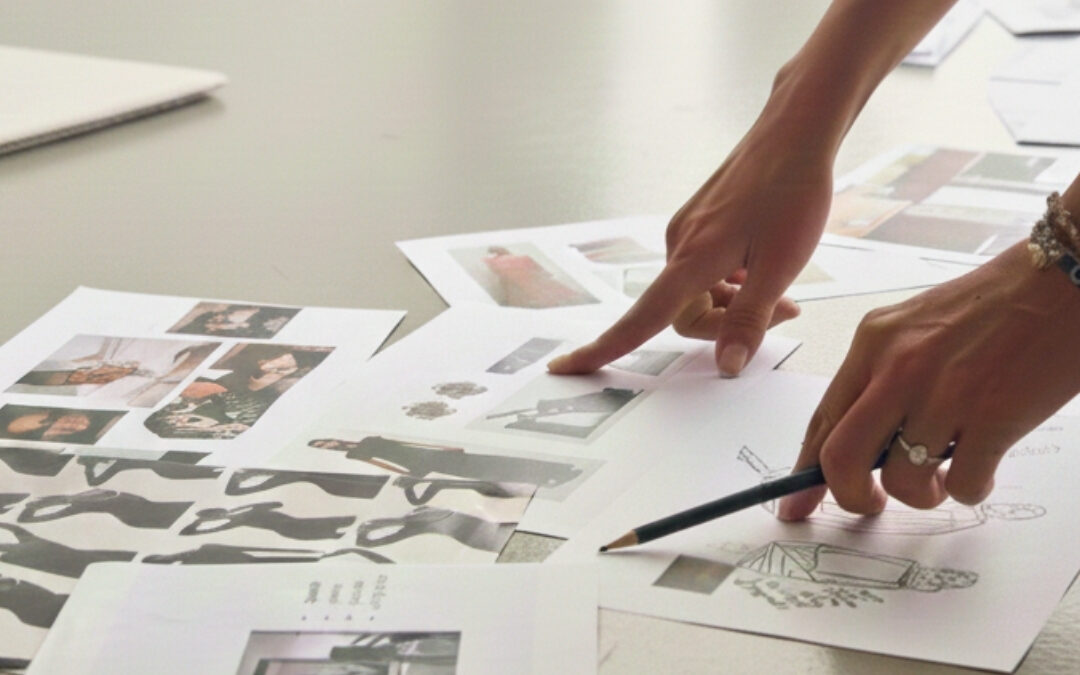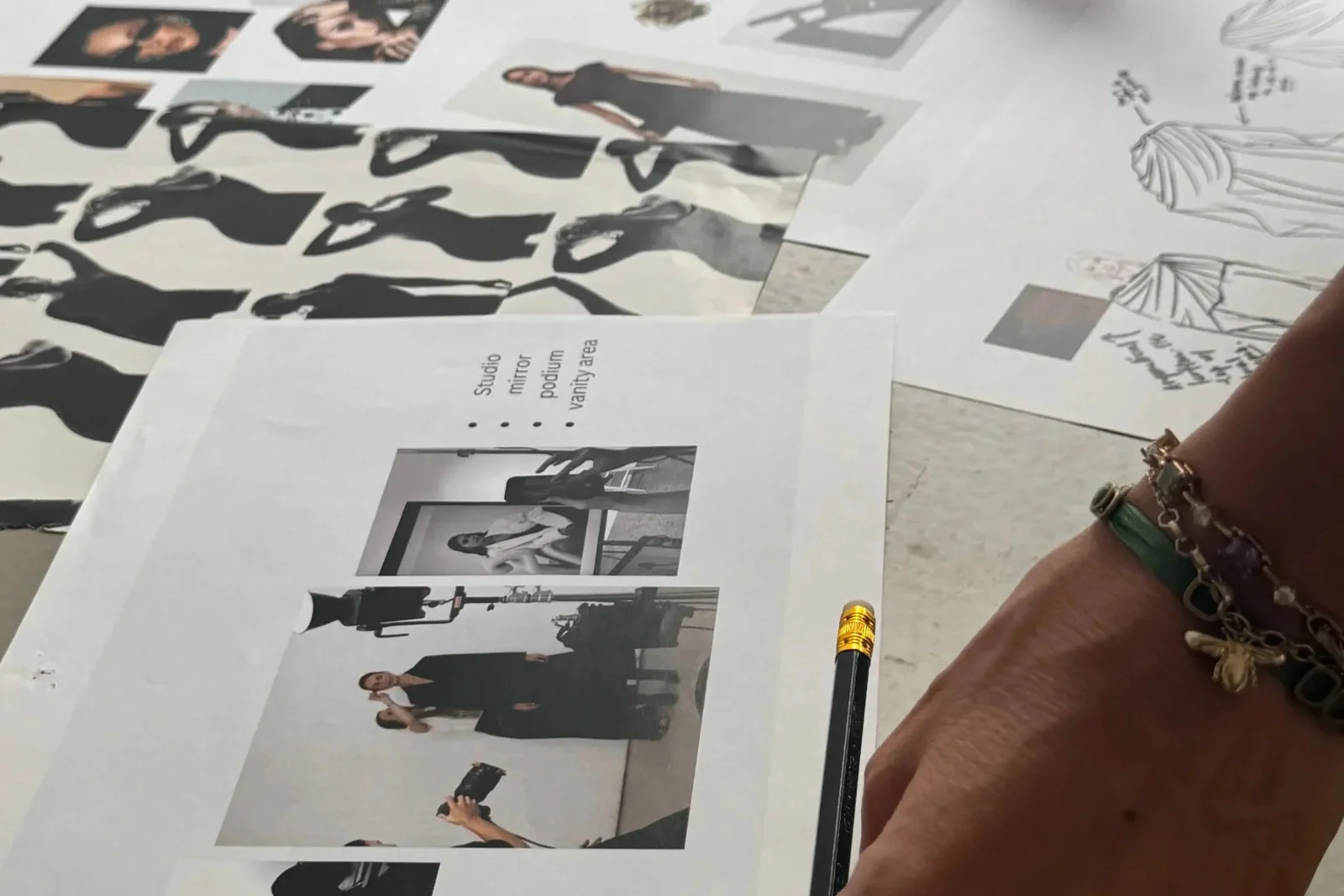
A fashion lookbook is a styled set of images that shows how a collection looks when worn. It helps buyers and retailers judge your style, consistency and fit with their store before they see a sample. To make one that works, plan for the buyer first, shoot every look in one visual language, design pages for fast viewing, and pair the lookbook with a line sheet. This guide walks through each step.
What Is a Fashion Lookbook?
A fashion lookbook is a curated series of images that presents a collection look by look. It shows styling, mood and how pieces work together, with very little text. Brands use a lookbook for buyers, press, stylists and customers. For an emerging brand, it is often the first full view of the collection that a buyer sees.
Why Fashion Lookbooks Matter to Buyers and Retailers
A fashion lookbook answers three buyer questions quickly: who is this brand for, does the collection feel consistent, and would it suit our store? A set of strong single pieces can still look unfocused. A lookbook shows the edit. It also shows styling, which helps a buyer picture your pieces next to other brands on the floor or the website.
A lookbook supports the sales process. It does not guarantee retail placement or a wholesale order.
How to Plan a Clothing Brand Lookbook
Plan a clothing brand lookbook around the person who will open it, not around the camera. Work through these steps in order:
- Define the target buyer. A boutique owner, a department store buyer and an online multi-brand platform each look for different detail. Write down who you are approaching first.
- Set the collection concept. Describe the collection in one sentence. If you cannot, the images will not either.
- Select the looks. Choose outfits that show the range of your core pieces. Leave out weak styles, even if they cost a lot to make.
- Set the visual direction. Build a mood board with palette, locations, hair and makeup references.
- List the photography requirements. Decide on full-length shots, detail shots and back views, and write a shot list.
- Choose the format. Decide whether you need a PDF, a web page, a printed copy, or a mix, and whether a line sheet will follow.
The right number of looks, pages and photographs depends on your collection size, sales channel, positioning and the buyer’s needs. There is no fixed number. If you are still building the range itself, start with this guide to plan a cohesive collection.
Coordinate samples, fitting and the shoot
Late samples are the most common reason a lookbook slips. Work backward from your buyer meeting or event date, and give each step a clear owner:
- Approve final samples.
- Fit-check and steam every garment.
- Finalise styling and the shot list.
- Shoot.
- Select images and retouch.
- Lay out the pages.
- Proof every detail against the line sheet.
If a sample arrives after the shoot, you either reshoot or leave the style out. Brands that manufacture through a partner should confirm sample dates with the factory before booking the photographer. Our guide to fashion production and low MOQ explains how production planning affects these dates.
What to Include in a Professional Fashion Lookbook
A professional fashion lookbook includes a cover, a collection concept, strong look images and a clear next step. The elements below suit most brands:
- Cover and brand introduction: logo, collection name and season, plus two or three lines about the brand.
- Collection concept: a short statement and a mood image.
- Look pages: full-length images that show the garment clearly, with detail shots where fabric or finishing matters.
- Style names or codes: a small reference on each page that matches your line sheet.
- Fabric and composition notes: only where they help the buyer, such as a signature textile.
- Colour and size notes: short, when they help the buyer understand the range.
- Contact page: name, email, phone, website and Instagram, with a clear invitation to request the line sheet.
Keep the lookbook for visual storytelling. Keep full commercial detail in a separate document.
Lookbook vs line sheet
A lookbook presents a collection visually, while a line sheet gives structured commercial facts so a buyer can place an order. Competitor guides describe the same split: the lookbook builds interest, and the line sheet supports the order. Some brands combine the two, but several sources suggest keeping them separate.
|
|
Lookbook |
Line sheet |
|---|---|---|
|
Main job |
Show the collection and the brand’s point of view |
Give the facts a buyer needs to order |
|
Main content |
Styled images, minimal text |
Product photo or flat, style code, description, sizes, colours, composition |
|
Pricing |
Usually left out |
Commonly includes wholesale price and suggested retail price, plus order minimums and delivery dates |
|
Best moment to send |
First contact and meeting follow-up |
After the buyer shows interest |
Should pricing sit in the lookbook? Common practice puts wholesale prices in the line sheet, so the lookbook stays shareable with press and customers. Your sales channel and buyer may change this.
Fashion Lookbook Photography: How to Present Your Collection
Good fashion lookbook photography shows each garment clearly while keeping one consistent look across every image. Buyers scan quickly, so inconsistency reads as a lack of control. For shoot briefs, costs and model releases, see our fashion photography guide. The points below focus on what buyers need to see.
- Lighting: Choose one lighting style per collection. Mixed styles make colours and fabrics look inconsistent.
- Framing: Show the full outfit first. Add close-ups for texture, trims and construction.
- Styling: Style each look so the key piece leads. Accessories should support the garment, not hide it.
- Garment fit: Steam and fit every piece before the shoot. Fit problems show up in print and on screen.
- Model selection: Choose models who reflect your customer and move well in the clothes. Keep casting consistent across the set.
- Backgrounds: Pick settings that match your positioning. A clean studio suits a precise tailored brand. A real location can add story for resortwear.
- Image quality: Use high-resolution, colour-accurate files. Retouch lightly so fabric and colour stay true.
- Product visibility: Do not let props, shadows or crops cover the design details a buyer will ask about.
Your photography should match your target customer and price position. A luxury label and a contemporary label can shoot the same dress very differently, and both can be right.
Lookbook Design Tips for a Professional Finish
Strong lookbook design keeps attention on the garments. Use these rules:
- Typography: One or two typefaces, in a clear size hierarchy.
- Visual hierarchy: Let the strongest image on each page dominate. Keep captions small.
- Spacing: Use consistent margins and white space.
- Colour palette: Pull accent colours from the collection, not from a template.
- Image sequence: Open with a strong look, group looks by story or colour, and close with details and contact.
- Readability: Keep text short. Test the pages on a phone.
- Digital presentation: Design for a screen first if most buyers will view it that way.
Fashion Lookbook Ideas for Different Brand Types
The right approach to fashion lookbook ideas depends on the brand, product category and buyer. The examples below are hypothetical and show how thinking might differ. They are not client work, and they do not describe what every UAE retailer prefers.
|
Brand type (hypothetical) |
Possible lookbook approach |
|---|---|
|
Contemporary ready-to-wear |
Clean studio or urban setting, outfit-led pages, strong repeatable looks |
|
Luxury or couture-led |
Fewer, more editorial pages; close detail on craft and fabric; restrained text |
|
Modest fashion |
Show full styling the way a customer would wear it; keep coverage and layering clear in every image |
|
Resortwear |
Location-led story with light and movement; add flat product shots for fabric and print clarity |
|
Occasionwear |
Show silhouette, movement and detail; include back views |
|
Streetwear |
Casual, character-led styling; show fit, layering and logo placement clearly |
How to Make Your Fashion Lookbook Buyer-Ready
A buyer-ready fashion lookbook is accurate, easy to navigate and tailored to the retailer. Take these steps:
- Tailor it. Check the retailer’s current assortment and price level. Lead with the looks that fit their customer.
- Match the details. Style codes, names and colours must match your line sheet exactly.
- Make it easy to move through. Add a short contents or grouping so a buyer can jump to a category. Digital formats can add chapter links.
- Show the next step. End with contact details and a clear request, such as asking for the line sheet.
- Choose the format with care. A PDF is common, but some guides warn that email attachments can be blocked or ignored and give you no view data. Test the file on a phone and on a slow connection. Compress images without visible loss. Consider a shareable link where it suits the buyer.
Preparing a Fashion Lookbook for the UAE Market
No single rulebook covers how UAE retailers want to receive a fashion lookbook, so ask each buyer how they prefer to receive materials. Retail channels differ: multi-brand boutiques, department stores, online platforms and showrooms may each want something different. These considerations help most Dubai-based brands:
- Know the channel. A concept store may want a strong point of view. An online platform may care more about clear product detail and delivery.
- Be ready for logistics questions. One UAE e-commerce platform listing on the UK government export portal (August 2025) asked for brands that work directly and can support regional stock. This is one buyer’s request, not a rule, but it shows buyers may ask about supply early. Source: business.gov.uk.
- Look at showrooms and events. In February 2026, FashionNetwork reported an Abu Dhabi showroom that introduced nine MENA designers to Gulf buyers. Check what each event expects before you prepare materials. Source: FashionNetwork.
- Prepare for meetings. Bring the lookbook and line sheet in a format the buyer can open easily, and know your lead times and minimums before you walk in.
- Consider language. English is common in business materials. If your key buyers or customers would read Arabic, ask whether an Arabic version would help.
- Adapt the visuals to the customer. Keep imagery true to the people who will wear the clothes, and avoid assuming every buyer shares the same taste.
If you plan to approach regional retailers, our brand placement, PR and market access page explains related support.
Common Fashion Lookbook Mistakes to Avoid
The most common mistakes weaken trust fast. Inconsistent photography makes a brand look unplanned. Cluttered layouts bury the garment. Missing or mismatched product details force buyers to email for answers. Too much text hides the visuals. Weak image selection, such as repeated poses or unclear fit, wastes pages. Outdated information, such as old season names or discontinued styles, makes a brand look careless. A missing contact page leaves a buyer with no next step.
Fashion Lookbook Checklist Before Sharing It with Buyers
Use this checklist for a final review before you send your fashion lookbook:
- Collection accuracy: Every style shown is confirmed for production, and codes match the line sheet.
- Photography: Lighting, colour and retouching are consistent. Fit looks right.
- Layout: Typography, spacing and sequence are consistent. No page feels crowded.
- Product references: Style names, codes and any fabric notes are correct.
- Mobile readability: Text is readable and images load cleanly on a phone.
- File quality: Images are sharp, and the file size is manageable to email or open.
- Contact details: Name, email, phone, website and social handles are correct and clickable.
- Final proofing: A second person has read every page.
When to Work with a Fashion Brand Consultant
A fashion consultant helps when a lookbook problem is really a collection, positioning or production problem. If the looks feel inconsistent, the range lacks a clear point of view, or samples keep arriving late, better photography will not fix it. A consultant can help with brand positioning, collection planning, creative direction, production coordination and market-entry planning. For a closer look at the decision, read when to hire a fashion consultant.
The Fashion Coterie offers creative direction and styling, including lookbook and campaign styling, alongside production and market access support. No consultant can guarantee buyer attention, retail partnerships or sales.
Conclusion
A strong fashion lookbook starts with the buyer, not the shoot. Define who you are approaching, build a clear concept, coordinate samples and photography, design for fast viewing, and pair the lookbook with an accurate line sheet. Then proof every detail before you send it.
If you want to talk through your collection, request a private strategy consultation with The Fashion Coterie. We can look at your positioning, your collection and your next buyer conversation together. The consultation is a paid professional session, not a general advice call.
Frequently Asked Questions About Fashion Lookbooks
What is the difference between a lookbook and a line sheet?
A lookbook shows the collection through styled images, while a line sheet lists the commercial details a buyer needs to order. A line sheet usually includes style codes, sizes, colours, wholesale and suggested retail prices, and order terms. Most wholesale brands prepare both and send the lookbook first.
Should a clothing brand lookbook include wholesale prices?
Usually no. Wholesale prices commonly sit in the line sheet, which keeps the lookbook safe to share with press and customers. A lookbook can carry style names or codes so buyers can match each look to the line sheet. Check what your buyer or channel prefers.
How many looks should a fashion lookbook have?
There is no fixed number. The right length depends on collection size, positioning, sales channel and what the buyer needs to see. Include every look that represents a style you can produce, and cut repeats or weak images. A tight edit usually reads better than a long one.
Do I need professional fashion lookbook photography?
A lookbook is often a buyer’s first view of your collection, so image quality affects how they judge your brand. Professional photography helps with lighting, fit and consistency. A smaller brand can start with a simple, well-planned studio shoot. Planning and styling matter as much as the camera.
How should a UAE brand share a lookbook with buyers?
Ask each buyer how they prefer to receive materials. A compressed PDF or a shareable link works for many, sent with the line sheet on request. Test it on a phone, make sure contact details are clickable, and bring a version you can open easily in meetings or at showroom events.