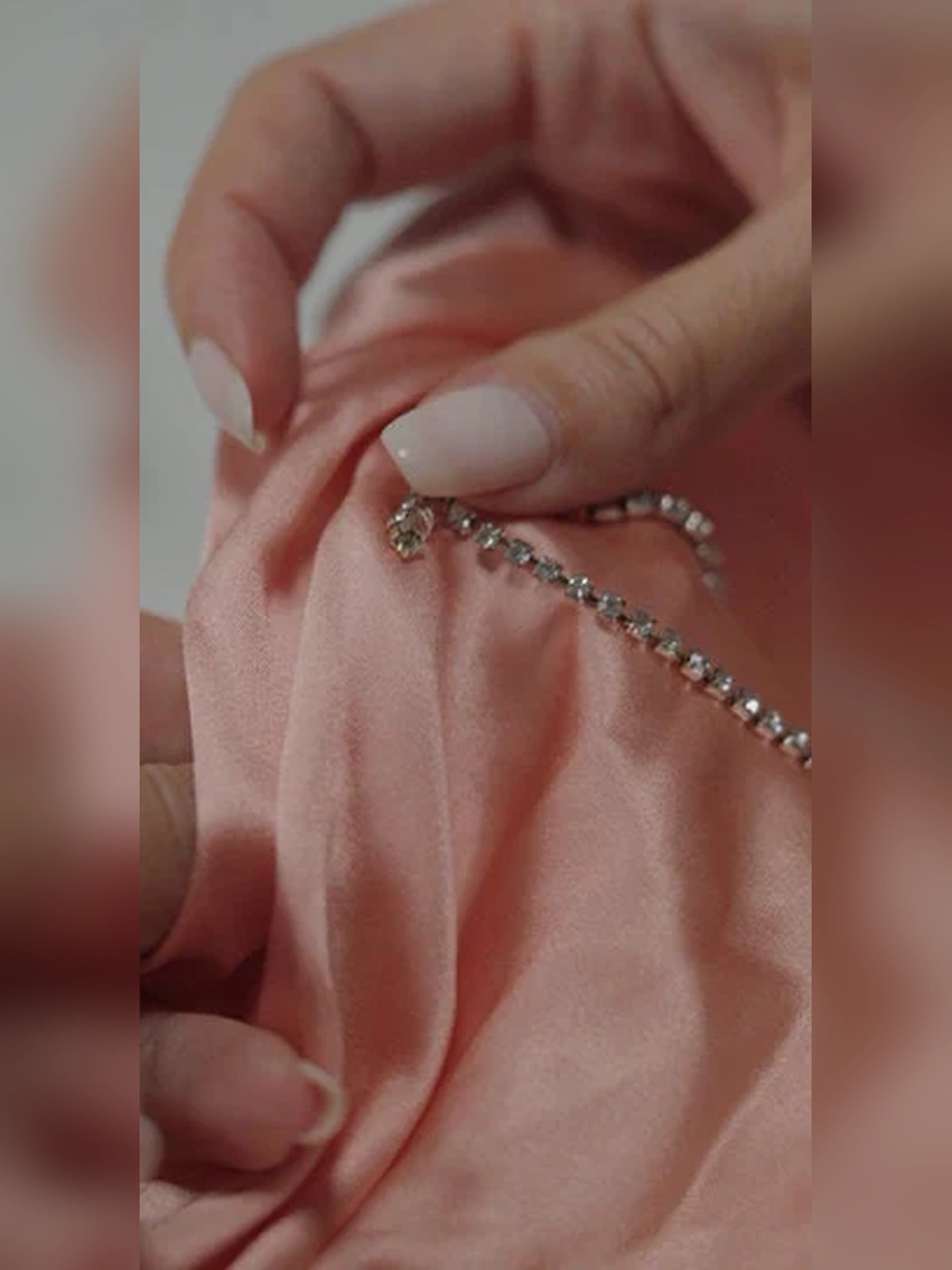
The main types of fabric for clothing include materials made from cotton, linen, wool, silk, polyester, nylon and regenerated fibres such as viscose, modal and lyocell. The right choice depends on your garment, customer, climate, care requirements and production budget.
For a fashion brand, selecting fabric means considering more than colour and softness. You need a material that supports your design, performs after washing and remains practical to purchase again. This guide explains how to compare your options before committing to production.
Understanding the Different Types of Fabric
Fabric descriptions usually combine fibre content, construction and a commercial name. These details answer different questions, so check all three when comparing supplier quotations.
Types of Fabric by Fibre Composition
Fibre composition tells you what a material contains:
- Natural fibres: Cotton and linen come from plants. Wool and silk come from animal sources.
- Synthetic fibres: Polyester, nylon and elastane are manufactured from synthetic polymers. Elastane, also called spandex, provides stretch and recovery.
- Regenerated cellulosic fibres: Viscose, modal and lyocell are manufactured by processing cellulose, commonly from wood pulp, into textile fibres.
Blends combine fibres to balance properties. However, the final result also depends on the yarn, construction and treatments applied during finishing.
Woven, Knitted and Nonwoven Fabrics
Woven fabrics interlace lengthwise and crosswise yarns. They include many shirting, suiting and denim fabrics.
Knitted fabrics use interconnected yarn loops. Their construction often allows movement, making them useful for T-shirts, bodywear and activewear.
Nonwovens bond or entangle fibres without conventional weaving or knitting. Some garment interlinings and insulation layers use this construction.
Why Fabric Names Can Be Confusing
Cotton identifies a fibre, while jersey identifies a knitted construction. Denim is usually a twill fabric, satin describes a weave, and chiffon is a lightweight, sheer woven fabric.
A fabric name alone does not reveal its composition. Silk satin and polyester satin, for example, share a weave description but require separate evaluation.
Types of Fabric Compared for Clothing Brands
The table separates fibres from constructions. These are typical characteristics; weight, blends and finishing can change performance.
| Fibre or construction | Common uses | Advantages | Limitations | Check before buying |
|---|---|---|---|---|
| Cotton: natural fibre | Tees, shirts, trousers | Absorbency, versatility | Wrinkling, possible shrinkage | Wash stability and coverage |
| Linen: natural fibre | Summerwear, relaxed tailoring | Absorbency, distinctive texture | Creasing, limited elastic recovery | Seams and care results |
| Wool: natural fibre | Suits, knitwear, coats | Warmth, resilience | Some versions shrink or felt | Skin feel and care |
| Silk: natural fibre | Blouses, occasionwear | Lustre, drape | Care demands, light sensitivity | Surface and seam behaviour |
| Polyester: synthetic fibre | Activewear, linings | Wrinkle resistance, versatile finishes | Static or pilling can occur | Comfort and moisture performance |
| Nylon: synthetic fibre | Activewear, hosiery, shells | Strength, abrasion resistance | Heat sensitivity | Recovery and intended use |
| Viscose: regenerated fibre | Dresses, blouses | Absorbency, often fluid drape | Conventional versions weaken when wet | Shrinkage and wet handling |
| Modal: regenerated fibre | Underwear, loungewear | Softness, improved wet strength versus conventional viscose | Fabric stability still varies | Pilling and shape retention |
| Lyocell: regenerated fibre | Shirts, dresses, trousers | Absorbency, useful strength | Surface appearance can change | Finish and wash appearance |
| Jersey: knitted construction | Tees, fitted tops | Flexibility | Curling or distortion | Composition and recovery |
| Denim: usually twill construction | Jeans, jackets | Structure, varied finishes | Dye transfer or wash changes | Rubbing fastness and shrinkage |
| Satin: woven construction | Dresses, blouses, linings | Smoothness, lustre | Snagging or seam slippage | Composition and seam strength |
How to Choose Fabric for a Clothing Brand in 7 Steps
Choose fabric by defining what the garment must do, then checking whether a shortlisted material meets those requirements in a finished sample.
- Define the garment and customer
Start with the silhouette, wearing occasion, climate and target price. A loose summer shirt needs different qualities from close-fitting leggings. Consider indoor environments too, particularly when designing for customers moving between outdoor heat and air conditioning. - Decide performance and care priorities
List essential requirements such as movement, coverage, warmth and frequent washing. Decide whether customers will accept delicate care. Separate essential performance from optional features so attractive textures do not distract from the product’s purpose. - Choose composition and construction together
Request complete descriptions, such as cotton single jersey or wool-blend woven suiting. For fitted garments, check stretch direction and recovery, meaning the ability to return towards the original shape after stretching. Fibre percentages alone cannot establish finished-fabric performance. - Assess weight, drape and opacity
GSM means grams per square metre and measures fabric weight. Higher GSM does not automatically mean better quality. Drape describes how fabric hangs, while opacity describes coverage. Compare larger samples and examine light colours under tension, not just flat on a table. - Calculate the commercial requirements
MOQ means minimum order quantity. Confirm separate fabric, colour and garment minimums. Our guide to MOQ in clothing manufacturing explains why these commitments can differ.
Include consumption, cutting waste, shipping and finishing in your costing. Check usable width, the portion available for cutting, alongside lead time and repeat availability. - Request swatches and develop samples
Use swatches to narrow your options, then make garments in the intended material. Assess fit, seams, decoration and care results. The Fashion Coterie’s fabric sourcing services include swatches, sample yardage and supplier coordination.
Record approved fabric codes and specifications in a fashion tech pack to keep development decisions consistent. - Test before placing the bulk order
Trial washing and wearing can reveal concerns, but they do not replace controlled laboratory testing. Discuss suitable tests and acceptance criteria for shrinkage, pilling, abrasion, colourfastness and recovery. Colourfastness concerns colour change or transfer under specified conditions.
Approve a pre-production sample and check bulk deliveries against it. The Fashion Coterie’s fashion production services include prototype development, tech packs and production oversight.
Which Fabrics Suit Different Garments?
Use garment-specific combinations as starting points, then adjust them after sampling:
- T-shirts: Consider cotton jersey for casual basics. Check neckline recovery, twisting and transparency after washing.
- Dresses: Compare fluid viscose or lyocell fabrics with crisper cotton poplin. Check lining requirements and seam performance.
- Activewear: Explore nylon-elastane or polyester-elastane constructions. Verify recovery, moisture performance and coverage during movement.
- Tailoring: Compare wool blends for shape with linen-rich fabrics for relaxed silhouettes. Assess lining, interfacing and pressing together.
- Outerwear: Select around the purpose, whether warmth, wind protection or rain exposure. A fibre name alone does not establish weather protection.
What Should You Ask a Fabric Supplier?
Ask for written specifications and purchasing terms before approving an order:
- What are the composition, construction, GSM and usable width?
- What minimums apply to each colour and finish?
- Is the fabric stocked regularly or developed to order?
- When does the quoted lead time begin?
- Which test reports relate to the offered material?
- How are defects, shade differences and repeat orders handled?
Stock fabric may simplify initial purchasing, but confirm replenishment. Custom development offers specification choices with supplier-specific minimums and schedules.
Check environmental claims separately. No fibre is universally sustainable, and a trademark is not a generic fibre name. TENCEL identifies branded lyocell and modal fibres. OEKO-TEX STANDARD 100 concerns testing for harmful substances; it does not establish organic content.
Common Fabric Selection Mistakes
- Buying from photographs without evaluating samples.
- Treating softness or weight as proof of quality.
- Overlooking pilling, meaning small surface fuzz balls.
- Ignoring abrasion resistance, meaning resistance to rubbing wear.
- Choosing stretch without checking recovery.
- Comparing metre prices without considering cutting waste.
- Assuming bulk fabric will match an earlier sample automatically.
Choosing the Right Types of Fabric for Your Collection
The right types of fabric support your design, customer expectations and production plans. Compare complete specifications, calculate realistic costs and approve samples before ordering in bulk.
For help with sourcing, swatches, sampling or production, contact The Fashion Coterie with your garment ideas, quantities, budget and launch timing.
Frequently Asked Questions
What Are the Main Types of Fabric for Clothing?
Clothing uses natural, synthetic and regenerated fibres in woven, knitted and other constructions. Cotton, wool and polyester describe fibre content. Jersey, denim and satin describe different structural characteristics. Ask for both composition and construction to understand what a supplier is offering.
What Is the Best Fabric for a New Clothing Brand?
Choose a fabric that meets your first product’s requirements and is manageable to sample, purchase and reorder. Cotton jersey may suit casual tees, while tailoring needs another shortlist. Check fit, care, minimums and total garment cost before deciding.
Is Cotton Better Than Polyester?
Neither is better for every garment. Cotton offers absorbency, while polyester can offer wrinkle resistance and varied performance finishes. Construction, blends and treatments change the outcome. Compare actual samples against your product requirements instead of choosing solely by fibre name.
Does Higher GSM Mean Better Fabric?
No. GSM measures mass per square metre, not overall quality. A heavier material may suit a structured garment but feel unsuitable for a light summer style. Assess weight alongside drape, coverage, construction, comfort and washing results.
Should I Wash Fabric Before Production?
Assess the proposed care routine before approving production. Testing can reveal shrinkage, distortion or colour changes that affect fit and appearance. Agree fabric preparation with your manufacturer, because not every material suits the same washing treatment. Validate the complete garment too.