Clothing manufacturing costs depend on your fabric, design complexity, order quantity, and development requirements. An accurate budget starts with an itemised quote that makes clear what is included and what will be charged separately.
When developing a fashion collection, one of the first questions is: How much will manufacturing cost?
The answer isn’t always straightforward. Two clothing manufacturers can quote completely different prices for the same design.
Before choosing the cheapest option, it’s important to understand what you’re actually paying for.
What Affects Clothing Manufacturing Costs?
Fabric, garment construction, production quantity, and sampling all affect clothing manufacturing costs. The final price also depends on which materials and services the manufacturer includes in the quotation.
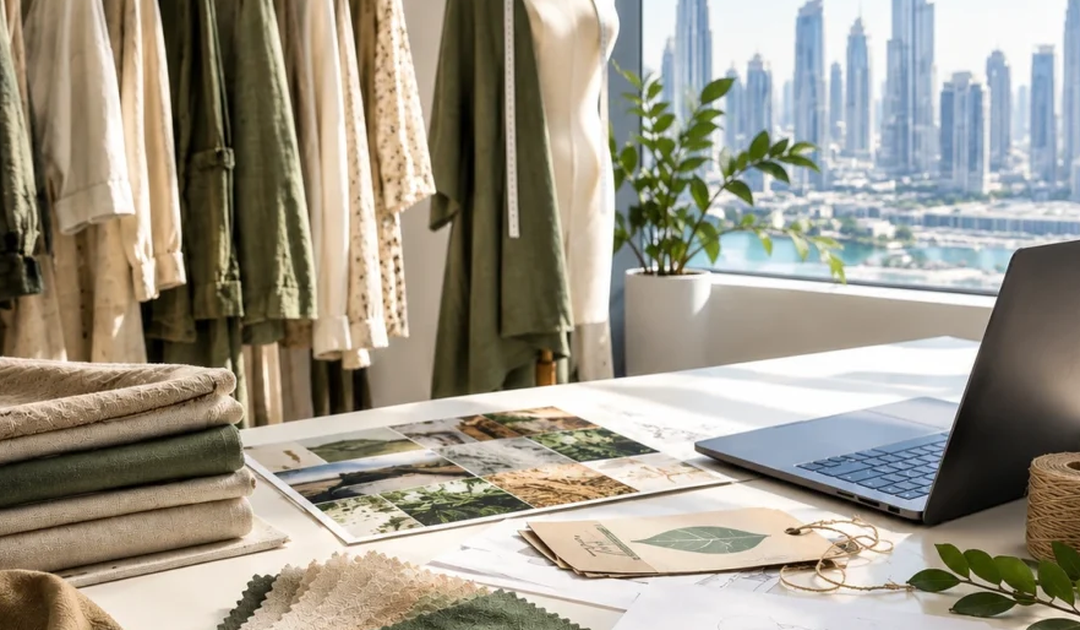
Fabric and materials
Fabric cost depends on what you choose and how much each garment needs. Trims, linings, and branded details also contribute to the total material cost.
Fabric composition, quality, availability, and consumption all influence the final cost. Trims, linings, buttons, and labels also need to be considered.
Reviewing swatches before ordering helps you assess the material against your design and budget. Our fabric and trim sourcing services support this selection process.
Design and construction
More complex garments generally cost more to manufacture because they require additional operations, production time, or specialist skills. Construction and finishing requirements should be clearly specified before requesting prices.
A basic T-shirt doesn’t require the same production time as a tailored jacket or a structured dress. Details such as French seams, embroidery, or hand finishing add to manufacturing costs.
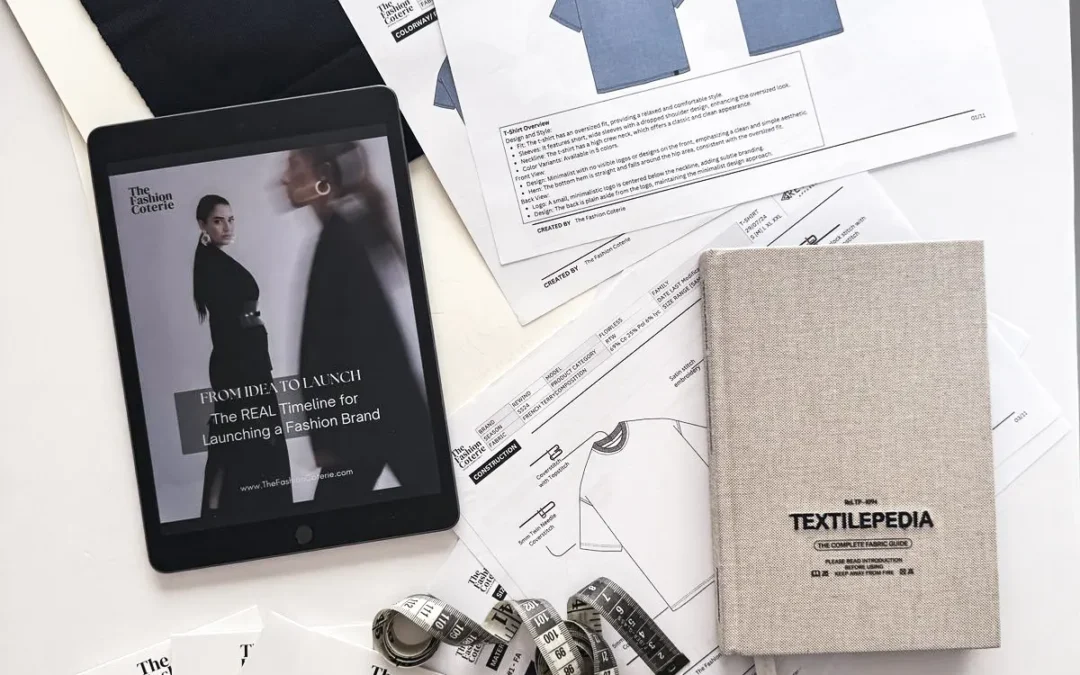
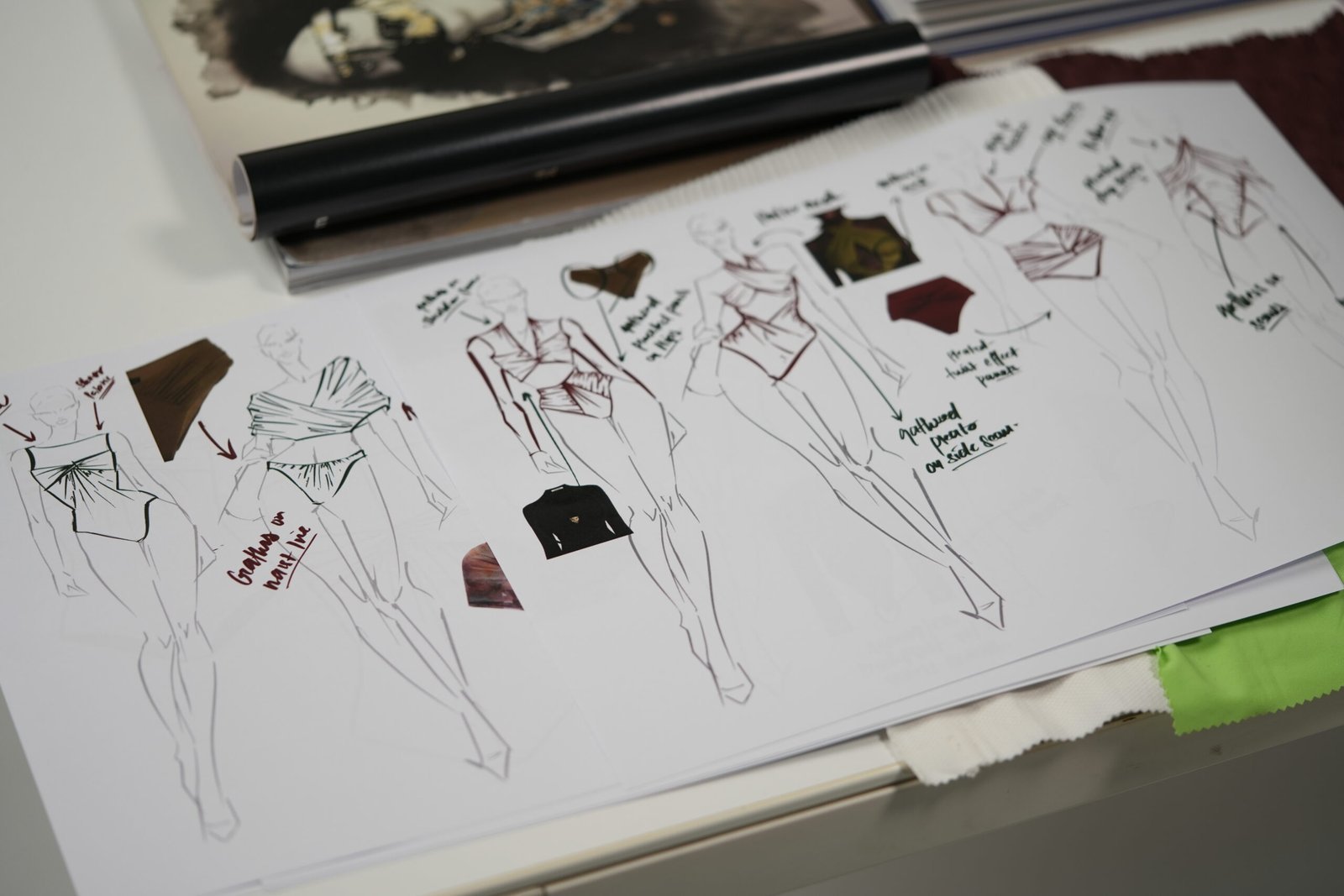
A detailed tech pack helps communicate your measurements, materials, and construction requirements, giving manufacturers a clearer basis for their quotation.
Minimum order quantity (MOQ)
Smaller production runs generally cost more per garment because setup costs are shared across fewer pieces. Ask whether the manufacturer’s minimum applies per style, colour, or total order.
Producing 20 pieces instead of 200 generally increases the cost per garment. Factories still need to prepare cutting, machinery, and production resources regardless of the quantity.
However, a lower unit cost should be considered alongside the total investment. Ordering more than you can realistically sell can leave cash tied up in unsold stock.
Sampling and development
Sampling and development costs cover the work needed to turn your design into a production-ready garment. These charges may be separate from the bulk manufacturing price.
Pattern making, prototypes, fittings, and corrections are essential steps before production. Always check whether these costs are included in the quotation.
Before approving development, confirm:
- How many sample rounds and fit revisions are included.
- Whether pattern making and size grading are charged separately.
- How the approved sample will be used as the reference for bulk production.
How to Compare Factory Quotes
Compare factory quotes against the same garment specifications, quantities, and service requirements. An itemised breakdown helps reveal whether a lower price reflects genuine savings or missing costs.
Before comparing clothing manufacturing prices, make sure each manufacturer is quoting based on the same requirements.
Check:
- Fabric quality and composition
- Production quantity and size breakdown
- Construction and finishing details
- Sampling and development costs
- Quality control requirements
- Packaging, shipping, and delivery terms
A lower quote may simply mean certain services or materials have been excluded.
For example, one factory may quote only for garment assembly using materials you supply, while another includes material sourcing and development. Confirm the scope in writing before comparing the final figures.
Why the Cheapest Manufacturer Isn’t Always the Best Choice
The cheapest manufacturer may not offer the best overall value if the garments need reworking or do not meet your quality requirements. Compare the price alongside sample quality, communication, and agreed production standards.
Manufacturing isn’t only about producing a garment at the lowest possible cost.
Fit consistency, fabric performance, finishing, and quality control all influence the final product. A cheaper production price can become expensive when garments need corrections or fail to meet your brand’s standards.
The goal is to find a manufacturing partner who can deliver the right quality at a commercially sustainable cost.
Before placing your order, agree on an approved sample, inspection requirements, and how production defects will be handled.
Think About Your Selling Price Before Production
Your selling price needs to cover more than manufacturing. Account for the cost of getting the collection ready to sell, ongoing business expenses, and your required profit before committing to production.
Your manufacturing cost is not your total business cost. Packaging, logistics, marketing, operations, and potential wholesale margins must also be considered.
Understanding these expenses before production helps you build a realistic pricing strategy and protect your profit margins.
Separate one-off development costs from recurring production costs, and check which expenses are already included in your factory quote to avoid counting them twice.
How The Fashion Coterie Can Help
The Fashion Coterie helps fashion brands prepare for production through collection development, sourcing, sampling, and manufacturing support. This helps founders clarify their requirements before committing to an order.
At The Fashion Coterie, we support fashion brands with collection development, fabric sourcing, sampling, and small-batch clothing manufacturing.
We help founders understand their production requirements and make informed decisions about quality, costs, and quantities.
Planning a clothing collection? Contact The Fashion Coterie to discuss your design and manufacturing requirements.
Frequently Asked Questions About Clothing Manufacturing Costs
Manufacturing costs vary by collection. The questions below address common concerns about quotations, quantities, and production budgets.
How much does it cost to manufacture a clothing collection?
The cost depends on the number of styles, fabric choices, construction details, quantities, and development work required. Request an itemised quote based on your specific collection rather than relying on a general price estimate.
Are sampling costs included in a manufacturing quote?
Not always. Some manufacturers charge separately for patterns, prototypes, fittings, and revisions. Ask for these inclusions and exclusions to be confirmed before starting development.
Does a higher MOQ always mean a better deal?
No. A larger order may reduce the cost per garment, but it increases your total spending and inventory commitment. The right quantity should suit your budget and expected demand.
What should I send a manufacturer to get an accurate quote?
Provide a tech pack or detailed design brief, material requirements, quantities per style and colour, size breakdown, finishing details, and your intended delivery date.
How can I reduce clothing manufacturing costs?
Finalise your specifications early, review suitable material alternatives, and simplify details where appropriate. Check revised samples before approving changes so any saving still supports your quality requirements.