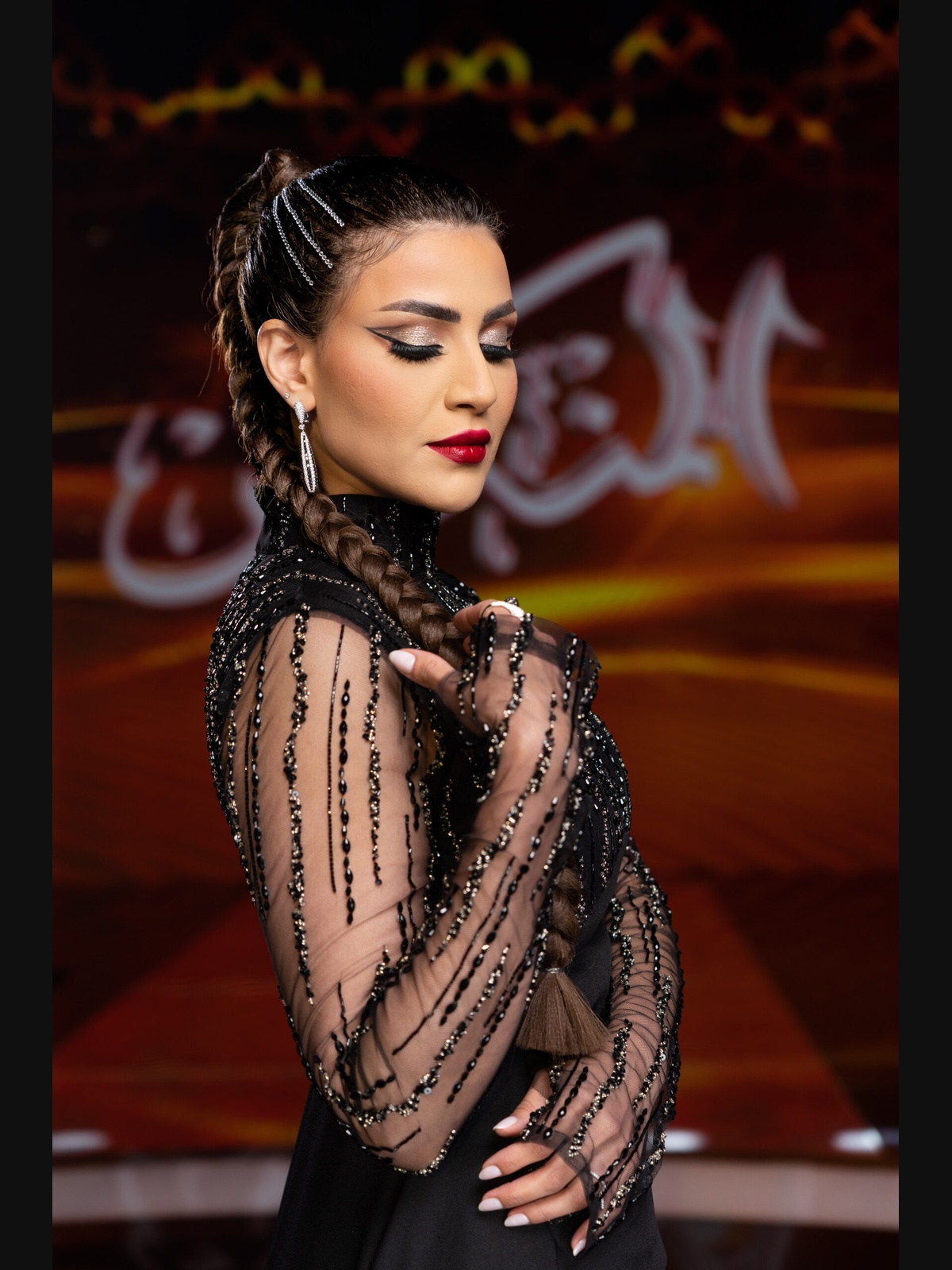
Planning a fashion show means turning a finished collection into a rehearsed presentation with clear responsibilities. For designers researching “fashion show Dubai”, the practical priorities are garment readiness, consistent runway styling, suitable production arrangements, and reliable backstage coordination.
Start with the collection and the audience you want to reach. Then build the fittings, venue requirements, technical schedule, and promotion around them. This guide helps fashion founders organise those decisions before committing their collection to the runway.
Fashion Show Dubai: What Does Planning Involve?
Fashion show planning connects creative direction with operational delivery. The main stages are defining the concept, preparing garments, casting and fitting models, confirming logistics, rehearsing, and managing show-day cues.
Assign an owner to each stage and maintain one shared schedule. An intimate buyer presentation and a larger runway event need different resources; neither has a universal collection size, budget, or preparation period. Match the format to what your team can deliver reliably.
Define Your Fashion Show Concept and Objectives
Choose the commercial purpose before designing the spectacle. A show intended to generate buyer meetings needs a different guest strategy from one focused on press coverage or existing clients.
Write a brief covering the audience, collection theme, brand positioning, presentation format, budget, and intended outcome. Decide how guests should understand the collection after seeing it.
Build the budget around garments, models, venue, technical production, styling, staffing, content, and contingency. Work backward from the proposed date, allowing time for sample revisions and rehearsals before confirming the final schedule.
Prepare Your Fashion Collection for the Runway
Confirm that each look can be worn, changed, and presented as intended before locking the running order. Keep a readiness list showing unfinished work, its owner, and the next approval.
Finalise Designs, Garments, and Fittings
Fit the actual show garments on the models assigned to wear them. Check seams, closures, hems, opacity, and movement in the intended footwear. Record alterations and recheck completed work.
Keep casting measurements aligned with sample specifications. The size grading guide explains how fit across a range differs from simply enlarging a pattern. A show fitting checks the specific model and garment together.
Organise Looks and Outfit Sequencing
Sequence outfits to communicate the collection’s story while allowing realistic changeovers. Group looks thoughtfully by silhouette, colour, or mood, rather than adding every available garment.
Map each model’s appearances and time the changes during rehearsal. In a hypothetical example, an intricate fastening may make a proposed quick change impossible. Reassign the look or adjust the sequence before show day.
Prepare Accessories, Footwear, and Backups
Pack every look as a complete set. Label garments, shoes, accessories, and garment bags with the same look number and model name.
Keep spare fastenings, suitable replacement pieces, and repair supplies accessible. Record shared accessories so two dressers do not expect the same item simultaneously.
Plan Runway Styling for a Consistent Brand Presentation
Approve styling that supports the garments and can be reproduced backstage. Agree outfit combinations, footwear, hair, makeup, and accessory placement with the designer and creative team.
Create a look sheet for each outfit: front and back photographs, garment references, model, shoe size, dressing instructions, and styling notes. Record details such as sleeve position or whether a jacket stays open.
Test movement and comfort during fittings, then confirm how fabrics and makeup appear under show lighting. Give dressers and beauty teams the same approved references. Keep one current version so late changes cannot create conflicting instructions.
Choose a Suitable Venue and Organise Event Logistics
Choose a space that supports the runway and the work behind it. Review audience capacity, accessible guest routes, changing privacy, garment storage, backstage circulation, lighting, sound, and power.
Confirm load-in, setup, rehearsal, and removal access in the contract. Agree supplier responsibilities, technical specifications, payment terms, and applicable operating restrictions before booking.
Dubai’s DET event-permit service covers entertainment and business events and lists a venue NOC among its document requirements. Its ePermits registration guidance also specifies compatible organiser or venue licensing activities.
Ask the venue and responsible organiser to confirm the route for your format and location. Within its jurisdiction, Dubai Development Authority publishes additional event-permit requirements, including documentation for temporary structures where applicable. Confirm ticketing, safety, and other relevant approvals separately; a booking agreement is not permission to proceed.
Create a Fashion Show Checklist and Production Timeline
Organise the checklist by readiness stage, with a named owner and approval status for every task. These phases are planning recommendations, not fixed regulatory deadlines.
| Stage | Confirm before moving forward |
|---|---|
| Initial planning | Objective, audience, concept, budget, responsible organiser, and provisional date |
| Collection preparation | Garment completion, quality checks, casting confirmations, fittings, alterations, and accessories |
| Production confirmation | Venue contract, applicable permissions, technical suppliers, staffing, and load-in arrangements |
| Presentation preparation | Approved look sheets, running order, guest invitations, seating, promotion, and photography brief |
| Rehearsal | Walking route, measured changes, lighting and music cues, communications, and contingency decisions |
| Show day | Model check-in, hair and makeup, garment steaming, final inspections, lineup, and individual responsibilities |
Use the rehearsal to test the complete workflow, including dressing and technical cues. Record problems, revise the schedule, and distribute the final version to everyone affected.
Manage Backstage Coordination on Show Day
Put one backstage lead in charge of readiness and escalation. Coordinate that role with the stage manager and show caller, who controls the agreed performance cues.
Build the workflow around clear handoffs:
- Check in models: confirm arrivals, look assignments, and individual hair, makeup, fitting, and lineup call times.
- Prepare garments: steam appropriately, inspect finishes, and organise labelled racks in dressing order.
- Dress and verify: assign dressers, follow look sheets, and check closures, shoes, accessories, and hems.
- Confirm readiness: the backstage lead reports the lineup to the agreed stage contact before models are released on cue.
- Reset after each walk: collect returning pieces, check condition, and move models into their next rehearsed change.
Schedule hair and makeup around actual preparation needs so models are not required in two places simultaneously. Keep steamers, cables, and garment bags away from circulation routes.
Prepare an emergency kit and agree who can authorise a replacement look or sequence change. Dressers should report missing accessories immediately to the backstage lead, rather than improvise an unapproved styling change.
Promote Your Fashion Show and Measure Its Success
Invite people whose interests match the show’s objective. Prioritise relevant buyers, media, clients, and collaborators, then use collection previews and behind-the-scenes content to explain why the presentation matters.
Brief photographers and videographers on required looks, details, framing, and delivery formats. Prepare a fashion lookbook and accurate collection information for follow-up conversations. Choose creator partnerships for audience relevance.
Measure qualified attendance, buyer enquiries, relevant coverage, engaged responses, and subsequent opportunities. Follow up with interested contacts using the materials they requested. Separate confirmed business outcomes from potential leads, and compare results with the original objective and total spend.
How The Fashion Coterie Can Support Your Fashion Brand
The Fashion Coterie supports collection readiness through collection development and production services, including sampling, sourcing, brand development, and quality control. Its fashion-show styling services also describe garment selection and backstage coordination.
For brands preparing a Dubai presentation, that support can connect positioning, product quality, and the final runway image. Explore the relevant services to identify where your collection needs preparation before a show or wider GCC market-entry activity.
Conclusion: Plan Your Fashion Show in Dubai with Confidence
Use your “fashion show Dubai” research to build a workable plan: clear objectives, ready garments, documented styling, confirmed logistics, and rehearsed backstage responsibilities. Resolve incomplete fittings and difficult changes before the audience arrives.
Discuss your collection and brand-development needs with The Fashion Coterie to prepare the next stage of your presentation.
Frequently Asked Questions
How do you plan a fashion show in Dubai?
Start with the collection, audience, and intended business outcome, then build the venue, budget, staffing, and rehearsal plan around them. Confirm the responsible organiser and applicable permissions early. Finalise garments, model fittings, styling references, and the running order before testing the full workflow in rehearsal.
What should a fashion show checklist include?
Include the creative brief, budget, venue arrangements, applicable approvals, collection status, model bookings, fittings, styling references, technical requirements, guest communications, and backstage responsibilities. Give each task an owner and completion status. Keep the garment lineup separate from the detailed production schedule, with matching look references.
How do you prepare a collection for a fashion show?
Finish and inspect the garments, fit them on the assigned models, complete alterations, and test movement in the intended shoes. Assemble accessories by look number and photograph the approved styling. Rehearse changes using the real garments so complicated closures or shared pieces can be identified early.
What is involved in backstage coordination for a fashion show?
Backstage coordination manages model arrivals, hair and makeup, garment preparation, dressing, lineup checks, and communication with the stage team. A designated lead monitors readiness and resolves problems. Labelled racks, current look sheets, assigned dressers, and rehearsed changeovers help the team follow one agreed presentation plan.
What permissions may be required to organise a fashion show in Dubai?
Event permissions depend on the location, format, activities, and responsible organiser. DET publishes event-permit and ePermits registration requirements, while jurisdiction-specific and ticketing approvals may also apply. Confirm the complete route with the venue and relevant authorities before confirming the event; do not assume one approval covers every element.