This guide walks through what clothing sampling in Europe actually involves, why proximity to Europe changes the process, and how to think about cost, timeline, and quality before you commit to a partner.
What Clothing Sampling Europe Actually Involves
Sampling is the stage where a design gets turned into a physical, wearable garment for the first time. It sits inside the broader fashion product development cycle, right between the design sketch and full production, and it’s how you test fit, fabric behavior, and construction before committing to bulk manufacturing.
A sample also acts as a kind of agreement. Once you approve it, that garment becomes the reference your manufacturer produces against. Skip this step, or rush it, and you lose the ability to hold a factory accountable for what you actually wanted.
Why Brands Choose Clothing Sampling Europe
Distance matters more than people expect. A European sampling partner sits closer to most EU and UK markets, which shortens shipping time and makes last-minute adjustments far more realistic than they’d be with a supplier on the other side of the world.
European manufacturing also tends to carry stricter quality and compliance standards than some lower-cost regions, an industry standard shaped in part by bodies like the European Apparel and Textile Confederation, which represents textile and clothing manufacturers across the EU. That reduces risk, though it can mean less flexibility on price. Many production networks working across Europe also draw on nearby Mediterranean hubs like Italy, Turkey, and Tunisia, which offer strong technical capability alongside relatively fast turnaround. Getting this part right is really a question of fashion sourcing strategy: deciding where in the world your production relationships should sit before you commit to any one region.
The Sampling Process, Stage by Stage
Sampling typically moves through a few distinct rounds, each one tighter than the last.
The proto sample comes first. It tests the basic concept: does the silhouette work, does the construction make sense, does the fabric behave the way you expected. From there, the fit sample gets checked on a body or form to catch anything the flat sketch couldn’t show. Finally, the production sample becomes the official reference the factory manufactures against once you sign off.
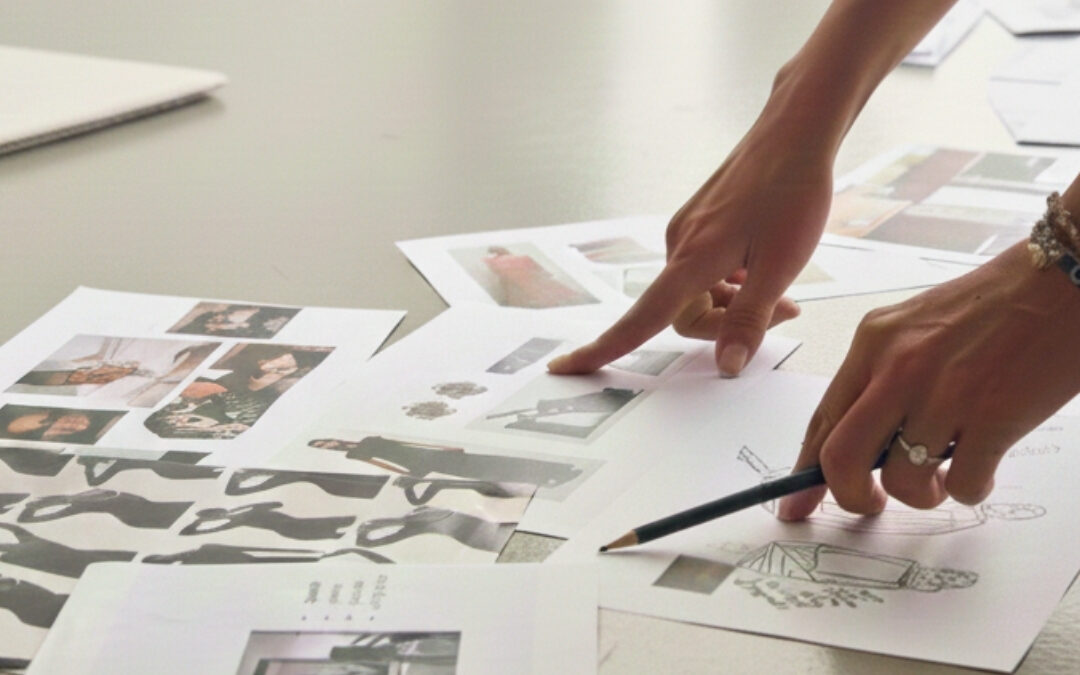
A good tech pack makes this whole sequence faster. If your first sample needs three or four rounds of fixes, the tech pack was probably missing detail, not the sample maker falling short.
Europe Compared to Other Sourcing Regions
Choosing where to sample isn’t just about cost. It’s about what you’re optimizing for.
Clothing sampling europe generally means faster turnaround and easier communication, since time zones and shipping windows work in your favor. It also tends to mean higher per-unit sampling costs than sourcing from lower-cost regions in Asia. Asian manufacturing, by contrast, often wins on price and scale once you move into bulk production, but sample lead times run longer and revisions take more back-and-forth.
A hybrid approach works well for many brands: sample locally or in Europe to nail fit and construction quickly, then move to a lower-cost region for bulk production once the design is locked. This isn’t the right call for every brand, but it’s worth weighing seriously before committing to one region for the entire process.
Realistic Costs and Timelines
Sampling costs in Europe vary widely depending on garment complexity, fabric choice, and how many rounds of revision you need. A basic, simple-construction sample typically costs less than a highly detailed one involving embellishment, unusual fabrics, or complex pattern work.
On timeline, most European sampling partners quote somewhere between one and four weeks per round, depending on workload and complexity. Brands that arrive with a solid tech pack and clear fit reference tend to finish in fewer rounds, which saves both time and money. This is where solid apparel production management earns its keep, keeping every round moving on schedule instead of drifting.
Common Mistakes to Avoid
Two mistakes come up constantly. Brands skip investing in a proper tech pack to save time upfront, then pay for it later through extra sampling rounds. They also choose a sampling partner based on price alone, without checking whether that partner has real experience with their specific product category.
Beyond these, some brands approve a sample too quickly without testing it on an actual body. Others assume Europe is automatically the “safe” choice without weighing whether the cost premium actually earns its keep for their specific product and budget.
Expert Tips
Bring a fit reference garment whenever possible. A physical item you already own and like gives your sample maker something concrete to work from, rather than starting purely from a sketch.
Build in buffer time for your first sampling round, even with an experienced partner, since first collections almost always take longer than expected. And keep your tech pack as a single, shared document everyone works from, rather than letting versions drift across email threads.
Conclusion
Clothing sampling europe is where a design idea earns its place in the real world. Getting it right means weighing speed and quality control against cost, and being honest about what your brand actually needs at this stage.
If you’re weighing where to sample your next collection, or you’ve been burned by slow turnaround and unclear communication before, The Fashion Coterie works with brands across production planning, sourcing, and sampling oversight, drawing on an established partner network across Europe and the Mediterranean. Unlike a standalone fashion production agency that only handles manufacturing, our team supports the strategy behind those decisions too. Book a consultation and let’s talk through what makes sense for your brand.
Frequently Asked Questions
What is clothing sampling in fashion?
Clothing sampling is the process of turning a design into a physical garment before committing to bulk production, used to test fit, construction, and fabric behavior.
How much does a clothing sample cost?
Cost depends heavily on garment complexity and fabric choice, ranging from relatively affordable for simple styles to significantly more for detailed or technical garments.
Is it better to sample in Europe or Asia?
It depends on your priorities. Europe generally offers faster turnaround and easier communication, while Asia often offers lower costs, especially once you move into bulk production.
How long does it take to get a clothing sample made?
Most sampling rounds take one to four weeks, though this varies with complexity and how many revisions are needed.