Fashion design development has become the engine behind every successful label – the structured process that takes a creative idea from sketch to finished, sellable product. And in a market as fast-moving as the GCC, getting this process right is the difference between a brand that launches and a brand that lasts.
In this guide, we break down exactly what fashion design development looks like in 2026 – what’s changed, what matters most, and how brands can use it to grow.
What Is Fashion Design Development?
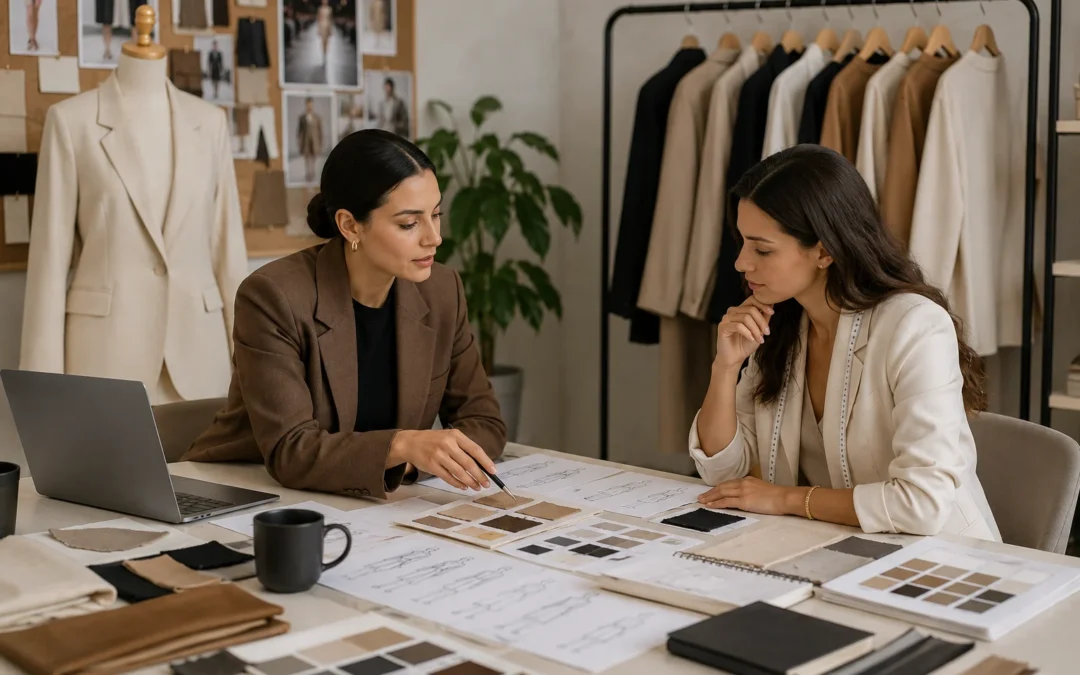
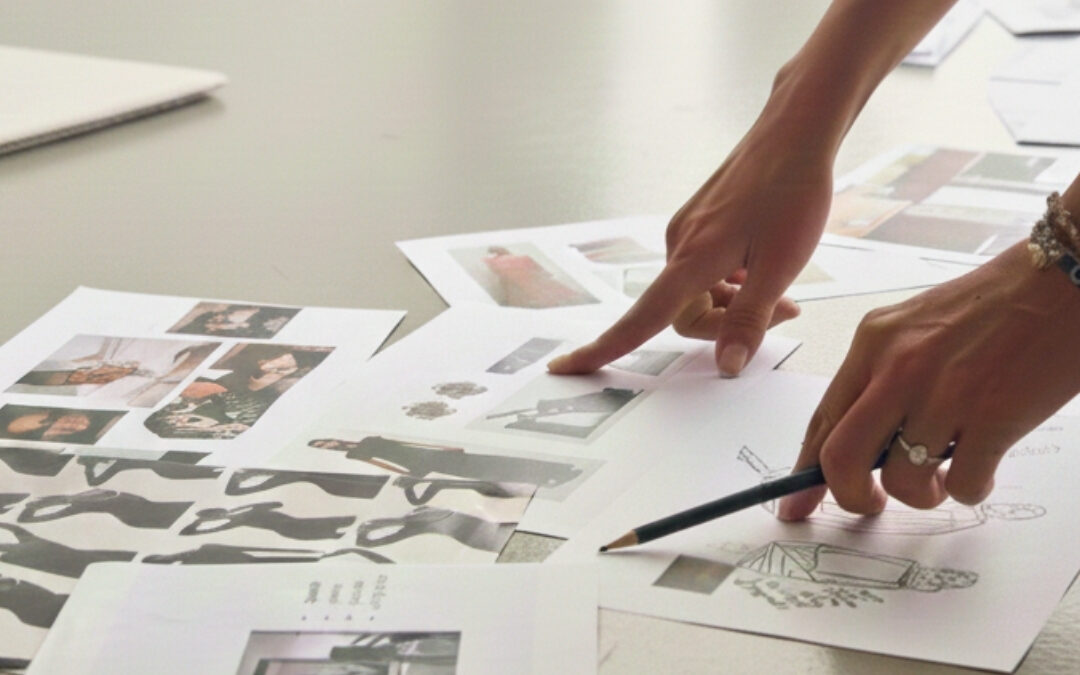
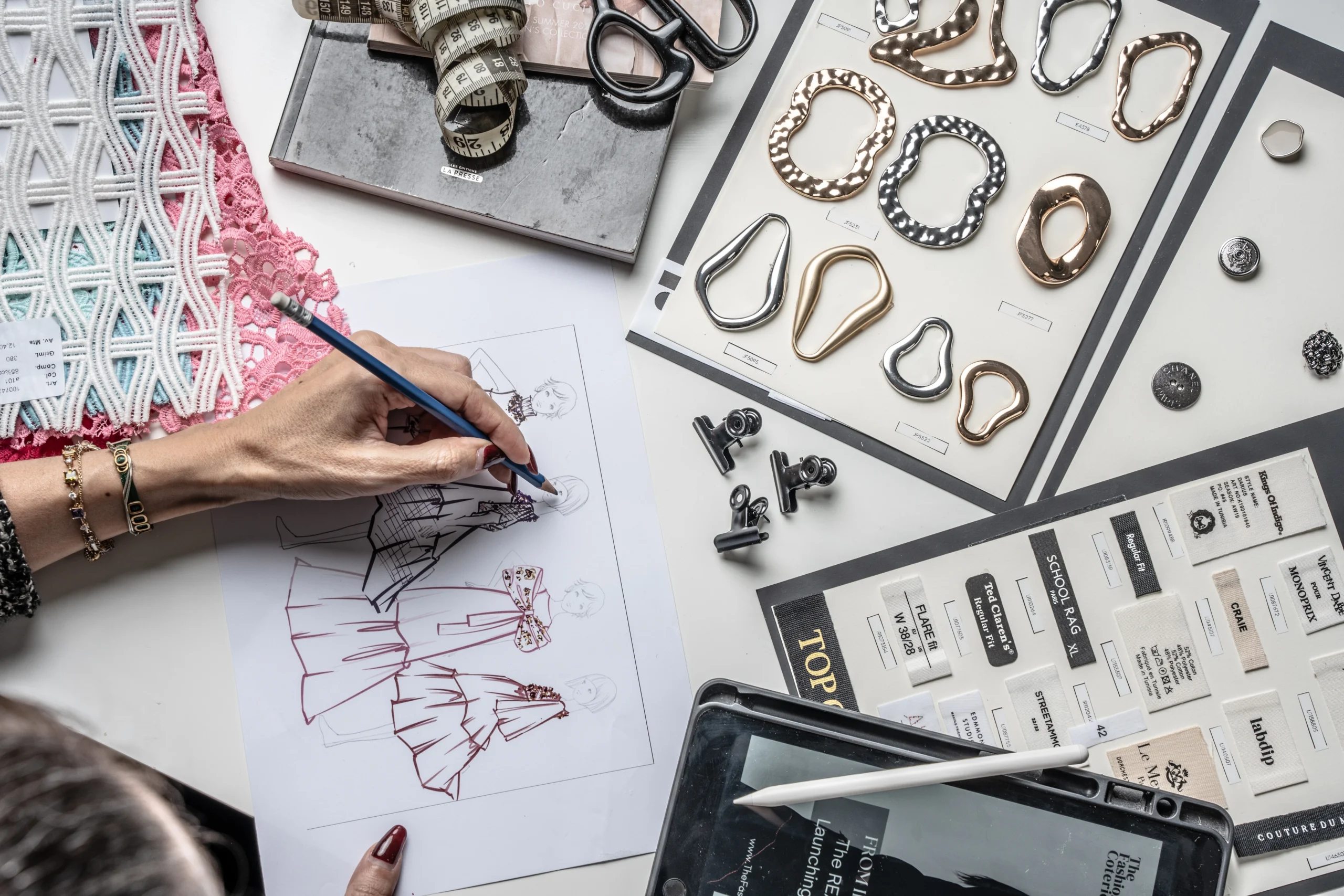
Fashion design development is the process of translating a creative vision into a production-ready product. It covers everything from initial concept and sketching through to finalized tech packs, fabric selection, sampling, and pre-production approval.
It sits at the intersection of creativity and commerce – and when done well, it ensures that what you design can actually be produced, priced correctly, and sold profitably.
In 2026, strong fashion design development includes:
- Concept development and mood direction
- Sketch to technical drawing conversion
- Tech pack creation with full garment specifications
- Fashion sourcing – fabric, trims, and materials
- Sample development and fitting rounds
- Pre-production sign-off and grading
Skipping or rushing any of these stages is where most emerging brands lose money – and where a structured approach pays for itself many times over.
Fashion Product Development: The Backbone of Every Collection
If fashion design development is the creative process, fashion product development is the operational one – and in 2026, you cannot separate the two.
Fashion product development takes your designs and builds them into commercial products. It involves:
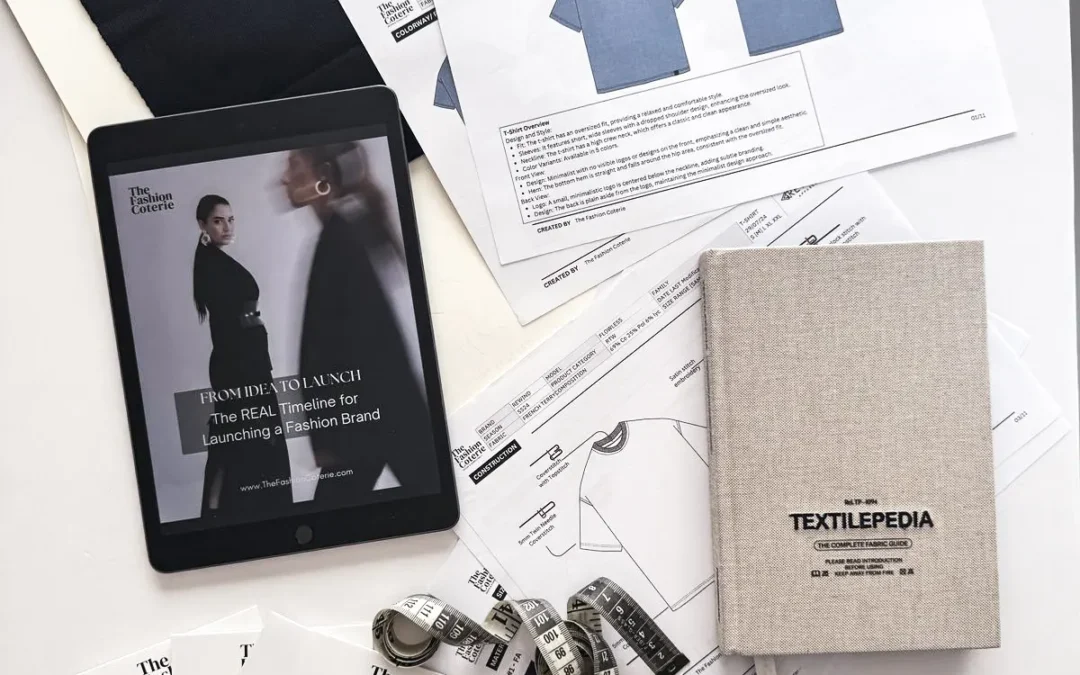
Tech Pack Creation Every garment needs a detailed tech pack – a blueprint that tells your manufacturer exactly how to build it. Measurements, fabric specs, stitching details, trims, labels, and finishing instructions all live here. Without one, sampling becomes guesswork and production becomes expensive.
Sampling and Iteration. Good fashion product development always includes at least two sampling rounds. First samples rarely come out perfect – and catching issues at the sample stage costs a fraction of catching them in bulk production.
Costing and Margin Analysis: Your product has to make commercial sense. Part of development is understanding your cost of goods, your target retail price, and whether the margin works before you commit to production.
Grading and Size Runs: Once your sample is approved, grading extends the fit across your full size range. This is a technical step that gets overlooked by many first-time founders – and causes real problems post-launch.
At The Fashion Coterie, fashion product development is one of our core services – we guide brands through every stage, from the first sketch to the final pre-production approval.
How Fashion Sourcing Has Changed in 2026
Fashion sourcing – finding and securing the right fabrics, materials, and manufacturing partners – has gone through a significant shift in recent years. In 2026, three things are driving that shift:
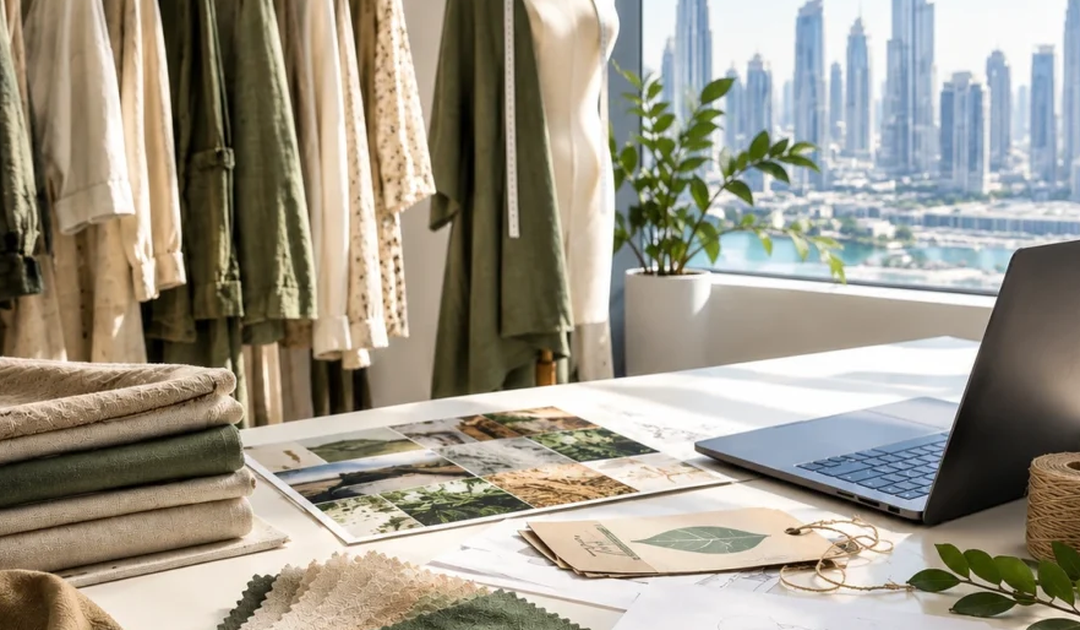
Sustainability is now a baseline expectation. Consumers, retailers, and the press all expect brands to know where their materials come from. Responsible fashion sourcing – using certified fabrics, ethical suppliers, and transparent supply chains – is no longer a premium positioning tool. It’s table stakes.
Lead times are being compressed. Buyers want the product faster. That means sourcing partners need to be closer, more reliable, and better integrated into your production calendar. Brands that build strong sourcing relationships early move faster and waste less.
Low-MOQ sourcing is growing. As more emerging brands enter the market, the demand for flexible, low-minimum-order-quantity sourcing has exploded. The best fashion sourcing partners in 2026 work with brands at every scale – not just the ones placing 1,000-piece orders.
Our fabric sourcing service connects brands with trusted suppliers across sustainable, conventional, and specialty material categories – with full support on lead times and quality standards.
Fashion Production in 2026: Smarter, Leaner, More Flexible
Fashion production has always been the part of the process where things go wrong – and in 2026, the brands that are getting it right are the ones that treat production as a strategic function, not an afterthought.
Here’s what smarter fashion production looks like right now:
Production planning from day one. The best brands build their production calendar before they start design – working backwards from their launch date to set realistic milestones for sampling, approval, bulk production, and delivery.
Closer manufacturer relationships. Transactional manufacturer relationships are out. Long-term partnerships built on clear communication, shared standards, and mutual reliability are in. Brands that invest in these relationships get better lead times, better quality, and better flexibility.
Quality control at every stage. One final inspection at the end of production is not enough. Smart fashion production in 2026 includes quality checkpoints at the fabric stage, mid-production, and pre-packing – catching issues early rather than discovering them in a shipping container.
Technology integration From digital tech packs to real-time production tracking tools, technology is making fashion production more transparent and more manageable – even for small brands producing 100 units.
The Role of Fashion Brand Consulting in Design Development
Here’s a truth most founders learn the hard way: fashion design development and fashion product development are only as good as the strategy behind them.
Fashion brand consulting is what ties it all together. It ensures that the products you’re developing actually align with your brand positioning, your target customer, your price point, and your market. Without that strategic layer, you can execute the development process perfectly and still end up with a collection that doesn’t sell.
At The Fashion Coterie, our fashion brand consulting service is designed to work alongside the development process – making sure every creative and production decision is connected to a clear commercial goal.
Whether you’re developing your first collection or relaunching an existing one, having a fashion brand consulting partner in your corner means fewer wasted samples, smarter sourcing decisions, and a final product that’s ready for the market. Book a consultation with our team.
Final Thoughts
Fashion design development in 2026 is more structured, more strategic, and more opportunity-rich than ever before – especially for brands building in the GCC.
The brands growing right now are not necessarily the most creative. They’re the most prepared. They invest in proper fashion product development, build smart fashion sourcing relationships, manage fashion production as a strategic priority, and use fashion brand consulting to make sure every decision connects back to a clear brand vision.
That’s the playbook. And The Fashion Coterie is here to help you run it.
Frequently Asked Questions
Q: What is fashion design development, and why does it matter in 2026?
Fashion design development is the process of turning creative concepts into market-ready products – covering design, tech packs, sampling, and pre-production. In 2026, brands that structure this process properly launch faster and waste significantly less money.
Q: What is the difference between fashion design development and fashion product development?
Fashion design development focuses on the creative and technical translation of a concept into a spec. In contrast, fashion product development covers the full operational process – sampling, costing, grading, and production sign-off.
Q: How has fashion sourcing changed in 2026?
Fashion sourcing in 2026 is defined by sustainability expectations, compressed lead times, and growing demand for low MOQ flexibility – requiring brands to build closer, more strategic relationships with fabric and material suppliers.
Q: When should I involve a fashion brand consulting firm in my design development process?
Ideally, from the very beginning. Fashion brand consulting ensures that your design and product development decisions align with your brand strategy, target market, and commercial goals – preventing costly misalignment later.
Q: How does fashion production connect to fashion design development?
Fashion production is the direct output of your design development process. A well-structured development process – with proper tech packs, sampling rounds, and sourcing in place – results in smoother, faster, and more cost-effective production.