Review each sample against your tech pack, then send one numbered list of issues, required changes and supporting photos. Confirm the next revision and approval status in writing.
Your first clothing samples turn a design brief into something you can touch, measure and wear. They also reveal the decisions that still need work: a sleeve that restricts movement, a fabric that feels too stiff or a pocket that sits too low.
The next step is to explain those issues clearly. “Improve the fit” leaves your manufacturer guessing. A useful comment identifies the garment area, describes what you observed and states the required result.
This guide explains how to review samples, organise your comments and agree on the next revision without losing track of your design.
What Should You Check Before Reviewing Clothing Samples?
Confirm the sample’s purpose, style code, size and tech pack version. Gather the approved fabric, trim and previous sample references before starting your review.
Start by identifying what the sample was made to demonstrate. An early prototype may use substitute materials, while a later pre-production sample may be intended to confirm agreed production details. Sample names vary between suppliers, so confirm the purpose directly.
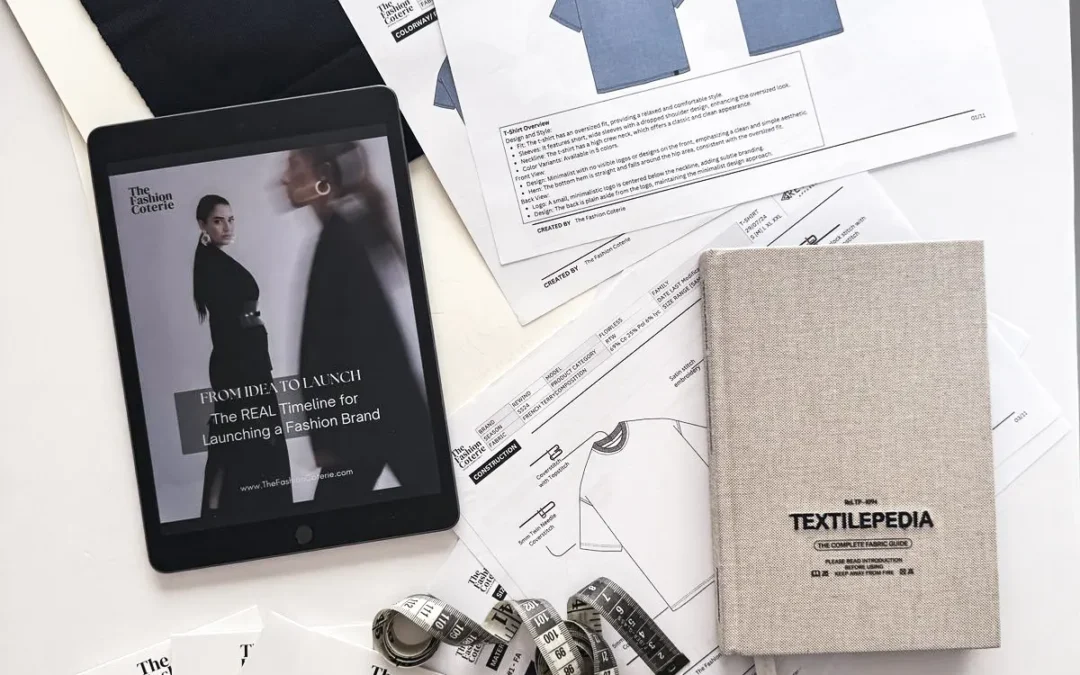
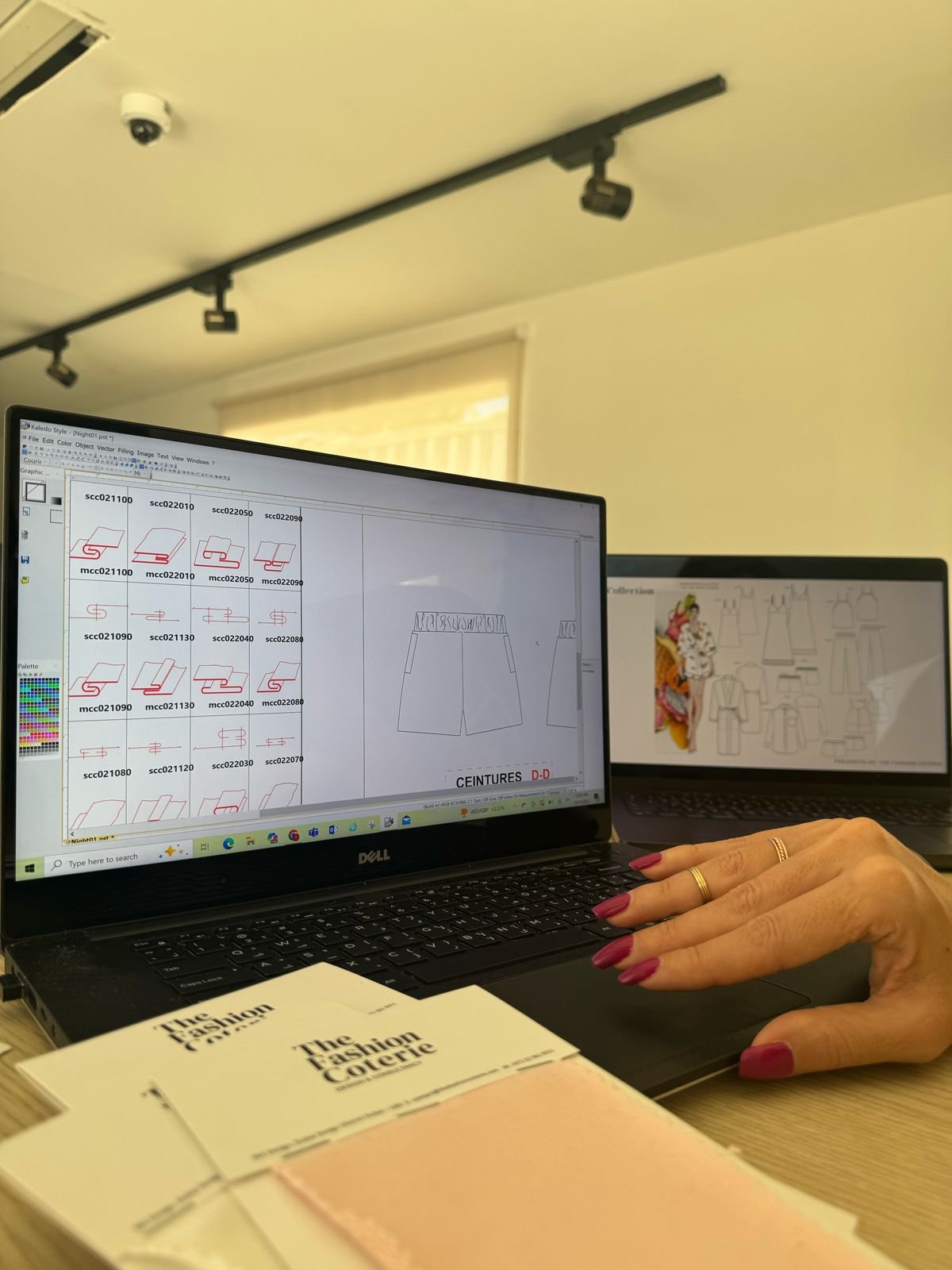
Record the style code, sample size, colour, revision number and date received. Match these against the tech pack version used by the factory. A tech pack is the working document containing your garment specifications, drawings, materials and construction instructions.
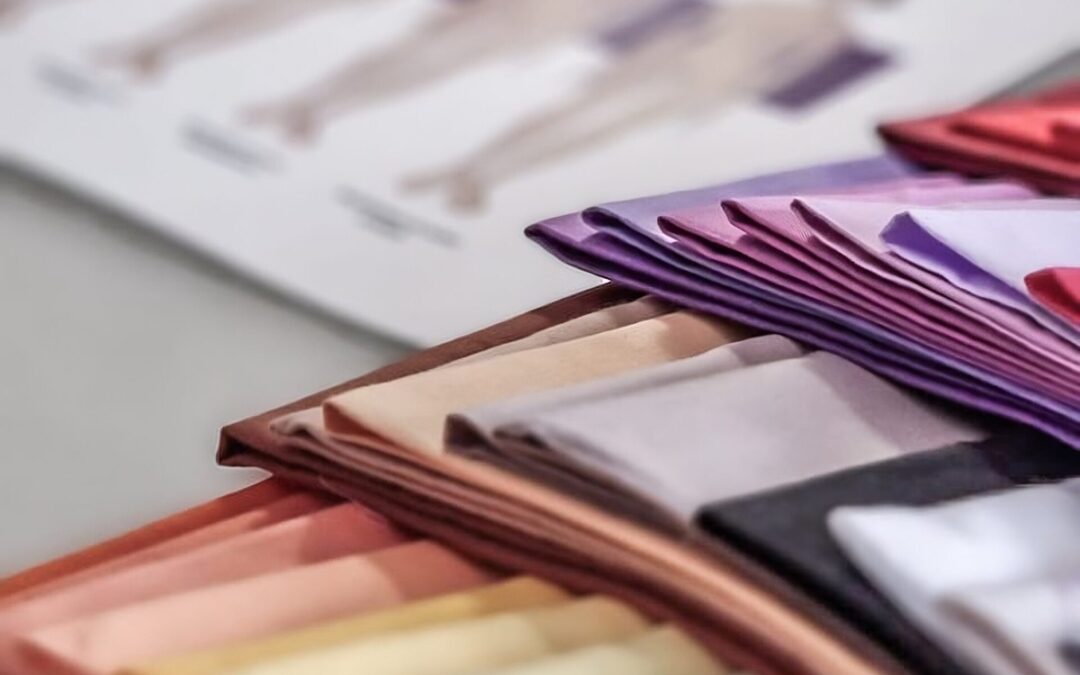
Keep your approved references beside you. These might include fabric swatches, trim samples and the previous sample. The wider fashion product development process gives these decisions context, from the original concept through production preparation.
Review the Garment Before Writing Your Feedback
Complete the measurement, fit, material and construction checks before sending comments. Combine the findings into one review so your manufacturer receives consistent instructions.
Complete the review before sending individual reactions. A single, considered response makes it easier to spot conflicting requests and decide which issues matter most.
Measure Against the Current Specification
Compare actual garment measurements with the agreed targets and tolerances. Use the same measurement method and units, and distinguish flat widths from full circumferences.
Lay the garment flat and follow the measurement method agreed with your manufacturer. Record the actual measurement beside the target and the agreed tolerance: the permitted variation for that specific measurement.
State whether a dimension refers to a flat width or a full circumference. For example, reducing a flat chest width by 1 cm is different from reducing the total chest circumference by 1 cm. Use one measurement unit throughout your review.
Check Fit and Movement
Try the sample on someone who matches your intended sample size, then check comfort and movement. Record pulling, restriction and excess fabric with photos or video.
Fit the sample on someone whose recorded body measurements suit your intended sample size. Where practical, use the same person for later rounds so comparisons remain useful.
Ask them to sit, walk, reach and bend as appropriate for the garment. Record where movement feels restricted and where fabric pulls or gathers. A garment can match its measurement sheet and still need changes to its shape or balance.
Inspect Fabric, Construction and Details
Compare materials, seams, closures, lining and placements with your approved references. Identify substitute materials and keep any decisions they affect open for further review.
Review seam finishing, closures, lining, pocket placement, labels and artwork against the brief. Check the inside as carefully as the outside.
If substitute fabric was used, record which decisions remain provisional. For instance, you may assess pocket placement while leaving drape approval open. Use approved physical swatches to discuss colour and handle; screen images alone are a weak reference. The Fashion Coterie’s fabric sourcing services include swatch selection and sampling for material evaluation.
Turn General Comments Into Specific Revision Requests
For each issue, state its location, what you found and the exact result required. Support the request with a measurement, numbered photo or drawing.
Use a consistent structure: location, observation, required result and supporting reference. Add the relevant measurement or drawing when available.
These hypothetical examples show the difference:
| General comment | Clearer feedback |
|---|---|
| “The body is too wide.” | “Chest flat width measures 52 cm against the 50 cm target. Please return this point to 50 cm using the measurement method in the tech pack.” |
| “Move the pocket up.” | “Move the top edge of the left chest pocket 1 cm towards the shoulder from its current position. Keep its width and centre-front distance unchanged; see photo 02.” |
| “The sleeve feels wrong.” | “The wearer reports restriction when reaching forward; see video 01. Please review the sleeve and armhole relationship and propose a correction before changing the pattern.” |
| “Use better fabric.” | “The sample fabric feels stiffer than approved swatch FAB-03. Confirm whether a substitute was used and submit the specified fabric for review.” |
Describe what you can verify. When the cause is unclear, ask the technical designer or factory to investigate rather than prescribing an untested alteration.
Separate Corrections From New Design Changes
Label requests as either corrections to the existing specification or new design changes. State the final target and confirm any effect on cost or timing.
A correction brings the sample back to the existing specification. A design change alters that specification. Label the difference so your manufacturer understands the request and can assess its implications.
Suppose the tech pack specifies a 60 cm sleeve, but the sample measures 62 cm. Asking for 60 cm is a correction. If the sample measures 60 cm and you now prefer 59 cm, that is a revised target.
Record the final target explicitly. “Shorten by 1 cm” can become ambiguous if different people refer to different sample rounds.
Ask whether each proposed change affects material usage, construction, price or the sampling schedule. Agree on those effects before the manufacturer starts work. Avoid assuming that responsibility for a revision or its cost has already been settled.
Use Photos That Match Your Written Comments
Number each photo to match its written comment and mark the relevant area clearly. Include context, close-ups and measured reference points where needed.
Give each issue a reference number and use it in both the comment sheet and image filename. Include an overall view for context and a close-up for the detail.
Mark the relevant area with an arrow or outline. For position changes, show the current and proposed locations, including a measurement from a defined reference point.
State whether “left” and “right” mean the wearer’s perspective. Avoid filters, stretched images or angles that hide the issue. A short movement video can help explain restriction that a still photograph misses.
Keep written instructions alongside the visual evidence so the factory does not have to infer your request from an arrow alone.
Keep One Feedback Record for Each Sample Round
Consolidate all approved comments into one dated review linked to a specific tech pack revision. Track each issue’s finding, required action and status.
Gather comments from everyone involved in approval, resolve disagreements internally and assign one person to send the final review.
Use a simple record such as the following. The figures are illustrative, not recommended specifications or tolerances.
| Issue | Reference | Sample finding | Required action | Status |
|---|---|---|---|---|
| 01 | Chest flat width; target 50 cm; tolerance ±0.5 cm | Measures 52 cm | Return to 50 cm target | Revise and resubmit |
| 02 | Left chest pocket; photo 02 | Placement needs a design change | Move top edge up 1 cm; update drawing | Revise and resubmit |
| 03 | Fabric FAB-03 | Fabric identity unconfirmed | Confirm material; submit specified fabric | Approval pending |
Update the affected measurements, drawings and material references in the tech pack. Give the new version a clear date and revision number, archive the previous version and identify which file the factory should use next.
Ask Your Manufacturer to Confirm the Next Step
Ask the manufacturer to acknowledge every comment, raise questions and confirm the revised sample’s timing. Resolve technical concerns and cost changes before work starts.
Before another sample is made, request confirmation that the factory has reviewed every numbered comment. Ask it to flag unclear instructions, technical concerns and any changes to cost or timing.
For example, your covering note could say: “Please review comments 01–03 against tech pack revision 04. Confirm the proposed corrections, any outstanding questions and the expected dispatch date for the revised sample.”
Record the agreed response in the same review history. If a call resolves a question, add the decision to the written record afterward.
Make Sample Approval Specific
Record exactly which features are approved and which remain open, with the sample reference, revision and date. Give bulk-production authorisation separately and explicitly.
State exactly what has been approved and what remains open. “Pocket placement approved; fabric approval pending” communicates more clearly than “looks good.”
Approval should identify the sample reference, specification revision, date and responsible person. Agree which further checks are needed, including any relevant size-set review or testing.
Keep the approved reference sample available for later comparisons. Make any bulk-production authorisation a separate, explicit decision so approval of one feature cannot be mistaken for permission to manufacture the order.
How The Fashion Coterie Can Support Sample Development
The Fashion Coterie offers style and design development, prototypes and samples. Share your tech pack and unresolved sample issues to discuss suitable support.
The Fashion Coterie’s fashion production services include style and design development, prototypes and samples. This support can help founders connect their creative brief with the practical decisions involved in developing a collection.
If your clothing samples need further work, prepare your latest tech pack, review photographs and unresolved questions. Contact The Fashion Coterie to discuss your sample development needs and the appropriate next stage for your brand.
Frequently Asked Questions
What should I include in feedback on clothing samples?
Include sample identifiers, the tech pack version, numbered issues, required changes and supporting measurements or photos. State what is approved and what needs another review.
How do I explain that a clothing sample does not fit correctly?
Describe where it pulls, restricts movement or differs from the intended fit. Support your comments with garment measurements and photos, and request technical review if the cause is unclear.
How many rounds of clothing samples should I expect?
There is no fixed number. Agree on sampling stages and charges with your manufacturer; further rounds depend on the garment and the issues still unresolved.
Should I approve a sample made in substitute fabric?
Approve only the features you can assess reliably. Keep fit, drape and other material-dependent decisions open until the intended fabric has been reviewed.
What if the next sample still has the same problem?
Confirm the factory used the correct revision, then compare the sample with your recorded request. Ask for the cause and an agreed correction before closing the issue.